Why are there so few purple animals in nature?
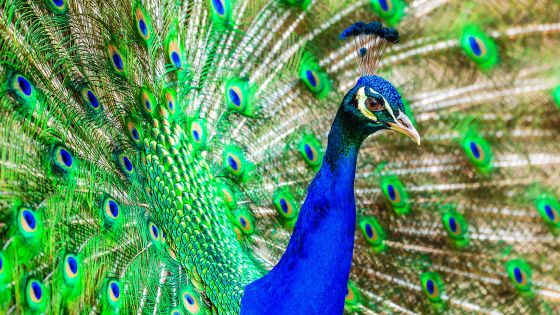
While blue is considered the rarest color in nature, many animals can appear blue by adjusting their lighting, including blue butterflies, frogs, and birds. On the other hand, the animal information YouTube channel '
Why Purple is So Hard for Animals to Make - YouTube
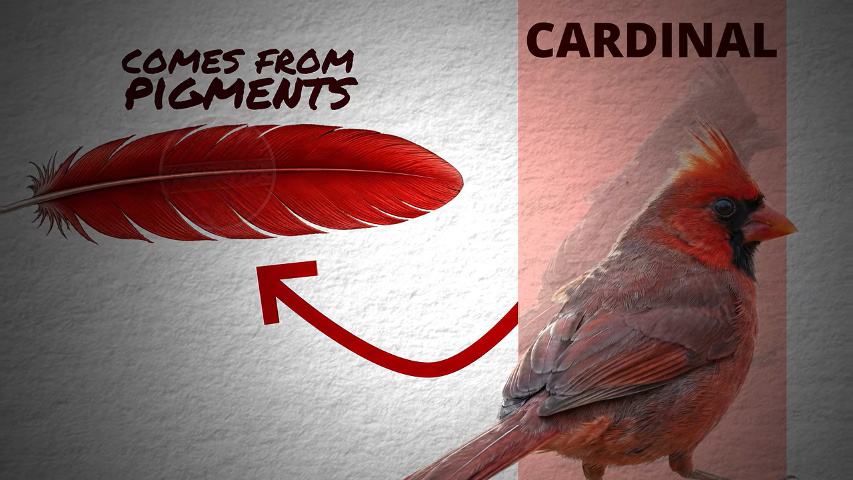
Pack Vibes begins by explaining the basic points of animal color by comparing the ' Scarlet Cardinal ' and the ' Morpho Butterfly .' The Scarlet Cardinal, with its bright red feathers, has red pigment in its feathers, and even if the feathers are finely ground up, the red color remains.
On the other hand, in the case of the Morpho butterfly, even if you grind up its bright blue wings in the same way, the blue color will not remain. Also, when light is shone on it from above, the Morpho butterfly appears bright blue, but when light is shone on it from below and viewed from above, it appears as a brown butterfly, and when alcohol is dropped on its wings, it changes from blue to green. This is because the Morpho butterfly's glossy blue color is achieved by the interference of light caused by the scales on the surface of its wings, and the wings do not contain any blue pigment. This phenomenon is called
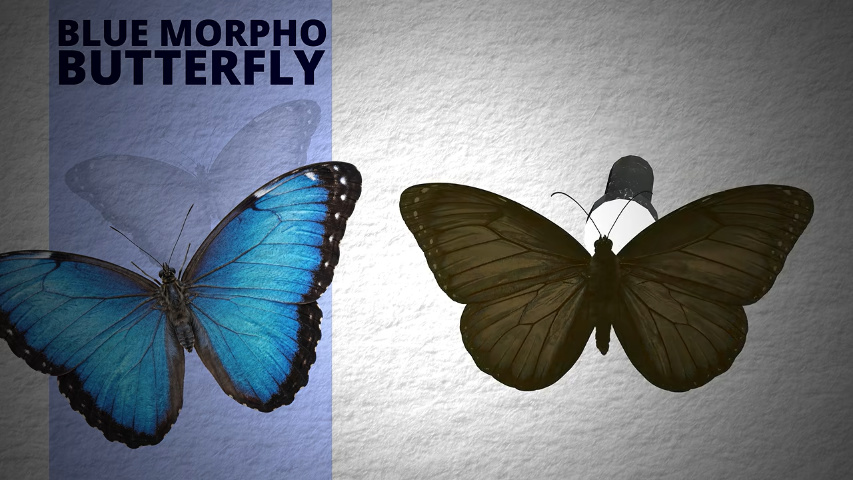
Pack Vibes describes pigments as 'chemistry, structural colors as architecture.' When white light strikes a pigment, the molecules absorb light of a certain wavelength, and the unabsorbed light reaches the eye and is seen as color. On the other hand, structural colors appear more vivid because the surface irregularities and fibers interfere with the wavelength of light itself.
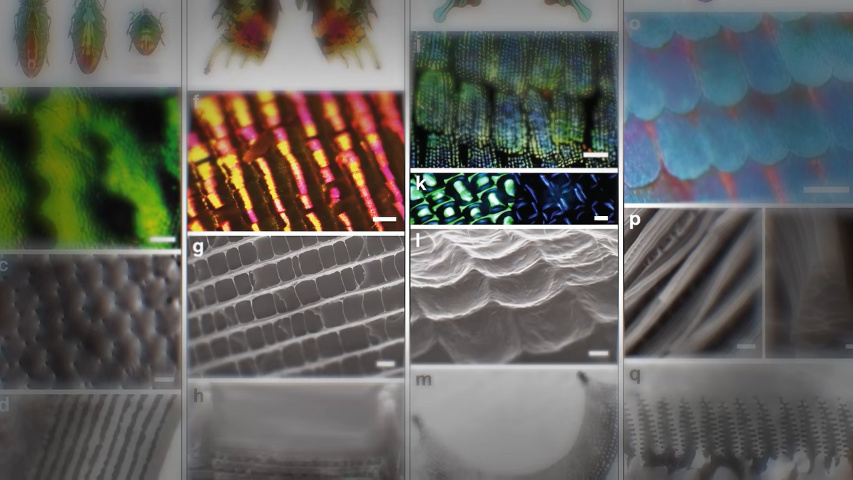
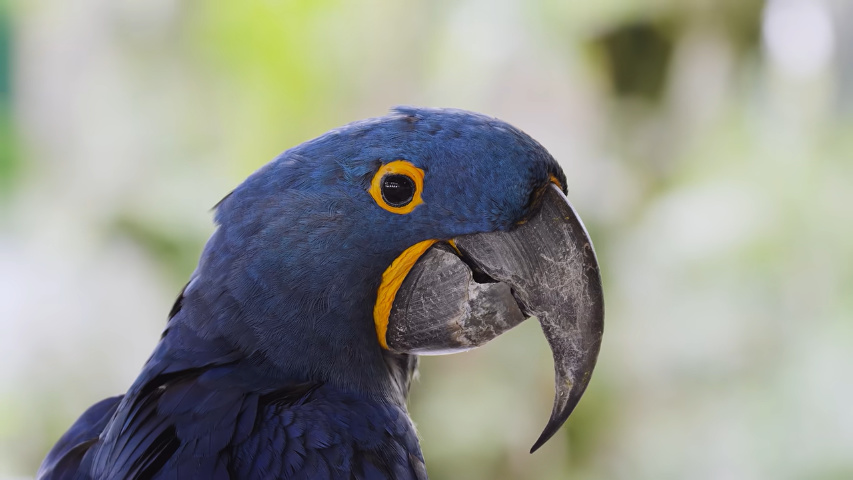
Blue pigment does not exist in nature, and only a very small number of butterflies and fish appear blue due to pigments. However, since blue can also be represented by structural colors, there are many animals that appear blue.
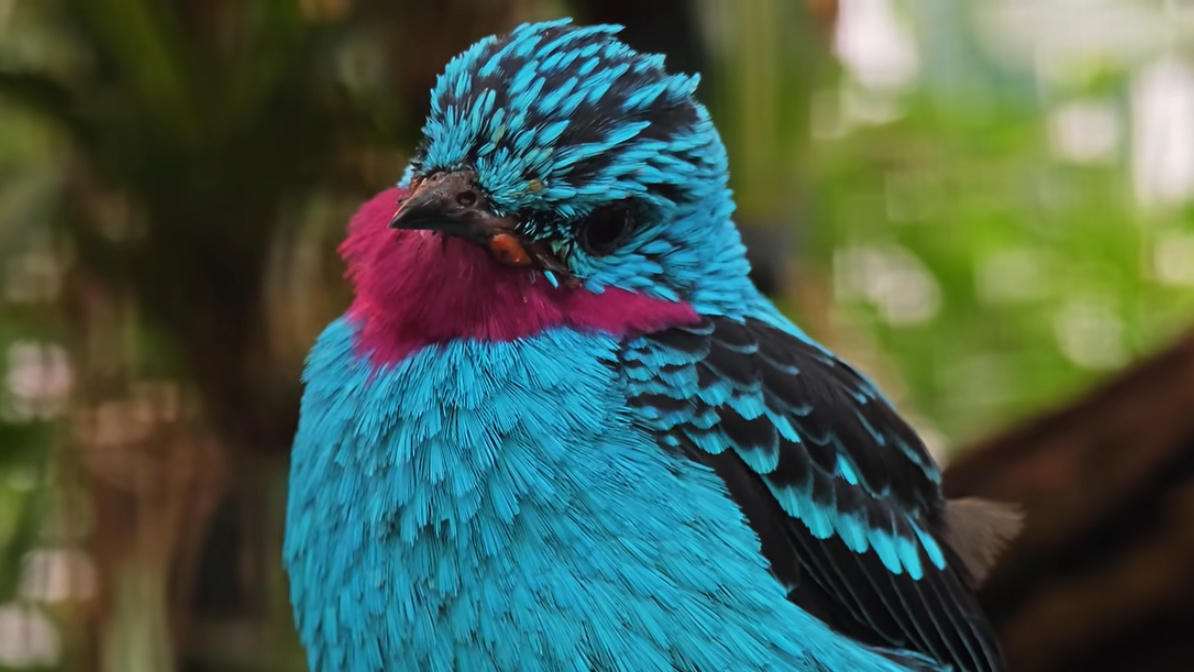
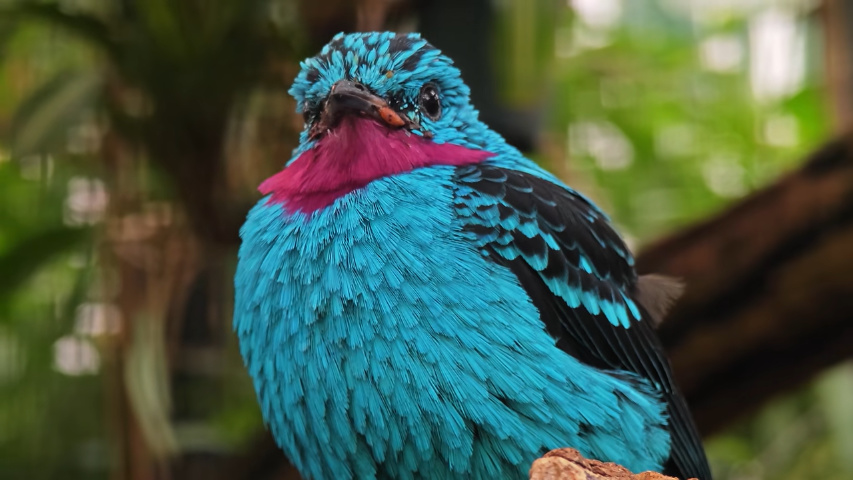
However, Pack Vibes points out that creating purple is quite complex. One animal with purple body coloration is the ' purple ornamental bird ,' which inhabits the Amazon rainforest. The purple ornamental bird has a vivid bluish-purple color from its neck to its chest. Research has revealed that the bluish-purple color of the purple ornamental bird is expressed not by pigment alone, nor by structural color alone, but by using both.
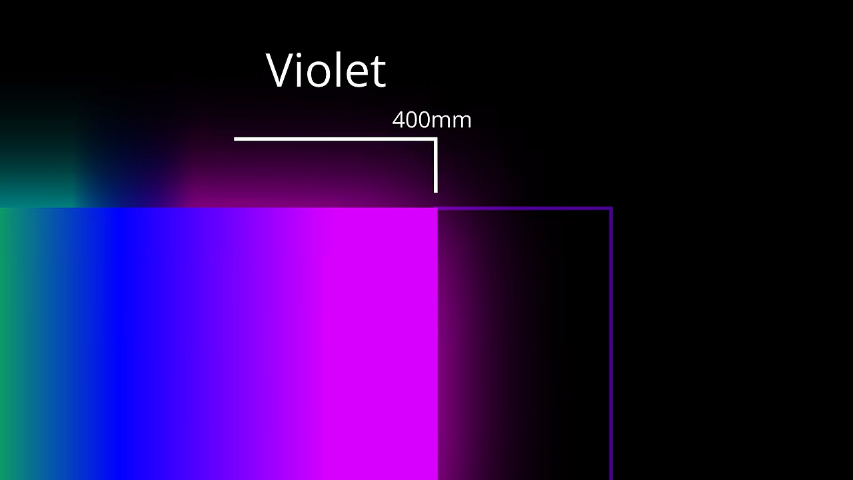
Another important point to understand is that while 'purple' and 'violet' look similar, they are physically different colors. This is because violet is part of the visible spectrum and lies at the end of the short wavelength range. On the other hand, purple does not have a single wavelength; it is a non-spectral color that is perceived as an illusion when red and blue light enter the eye simultaneously. In other words, when an animal's color appears purplish, it may be displaying violet as part of the visible spectrum, or it may be displaying purple by combining wavelengths.
One of the most famous animals that appears purple is
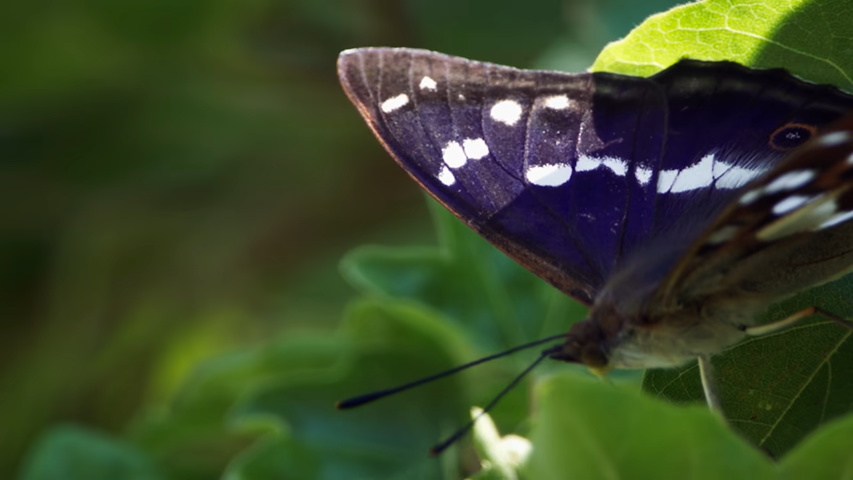
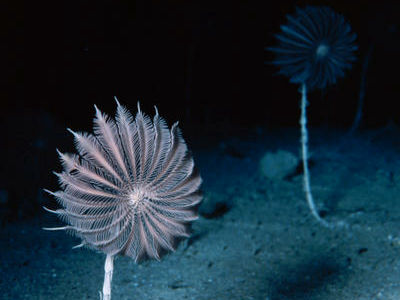
Many insects and birds have purple body coloration, and all of them possess intricate and precise structures on their body surface, scales, and wings. Furthermore, purple takes on an even more bizarre appearance underwater. The '
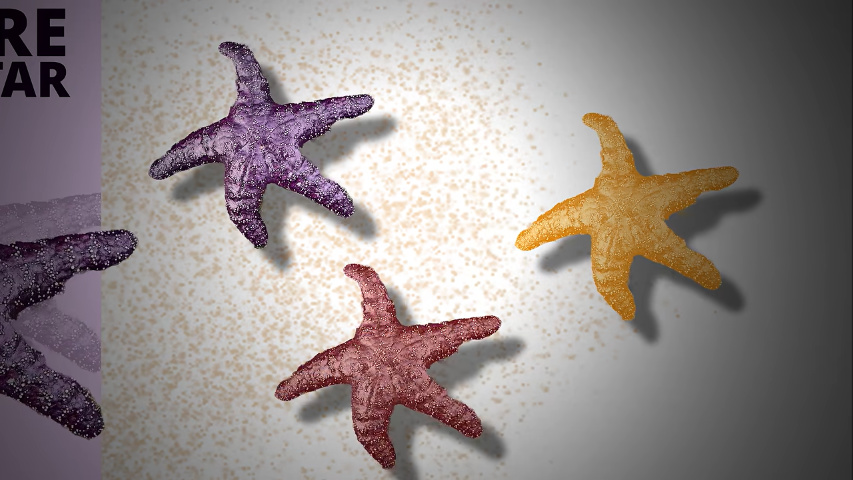
On the other hand, mammals are almost entirely devoid of the color purple. While fish, amphibians, and reptiles have cells called
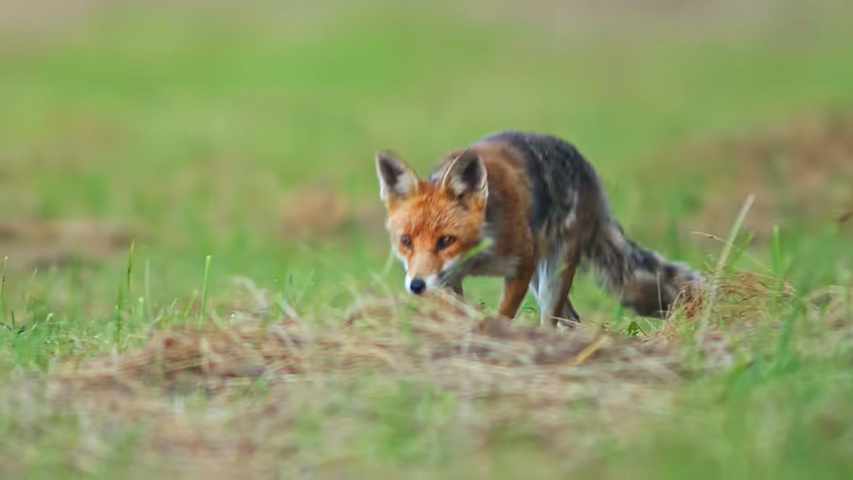
While mammals cannot produce blue or purple pigments, they may be able to express these colors through structural coloration. The closest example is the mandrill. Mandrills have bluish, raised areas on their faces, which for over a century were thought to be due to light scattering through the tissue. However, more detailed research has revealed that these areas are lined with collagen fibers, and these fibers strongly reflect blue light.
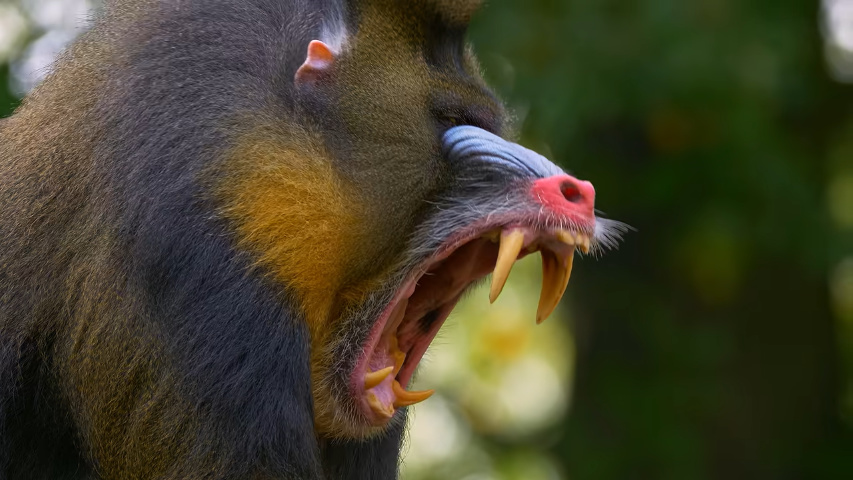
Pack Vibes states, 'The scarcity of purple animals is likely due to the fact that there is no simple way to produce purple in evolution. The butterfly wings, which appear purple only at certain angles, illustrate this difficulty well. Furthermore, mammalian pigment chemistry is more limited compared to many other vertebrates. Hair is not well-suited to expressing intricate structural colors, compared to feathers or the body surface of insects.'
Related Posts: