How we reduced the power loss rate from 50% to 5% in Delhi, where power outages were frequent.

Delhi, India, once suffered from severe power shortages and unreliable supply, but has now transformed into a reliable, modern power grid.
How Delhi Cut Electricity Loss from 50 to 5 Percent - IEEE Spectrum
https://spectrum.ieee.org/delhi-electricity-loss
In the early 2000s, Delhi experienced power outages lasting several hours almost daily, causing constant malfunctions of home appliances and disrupting daily life.
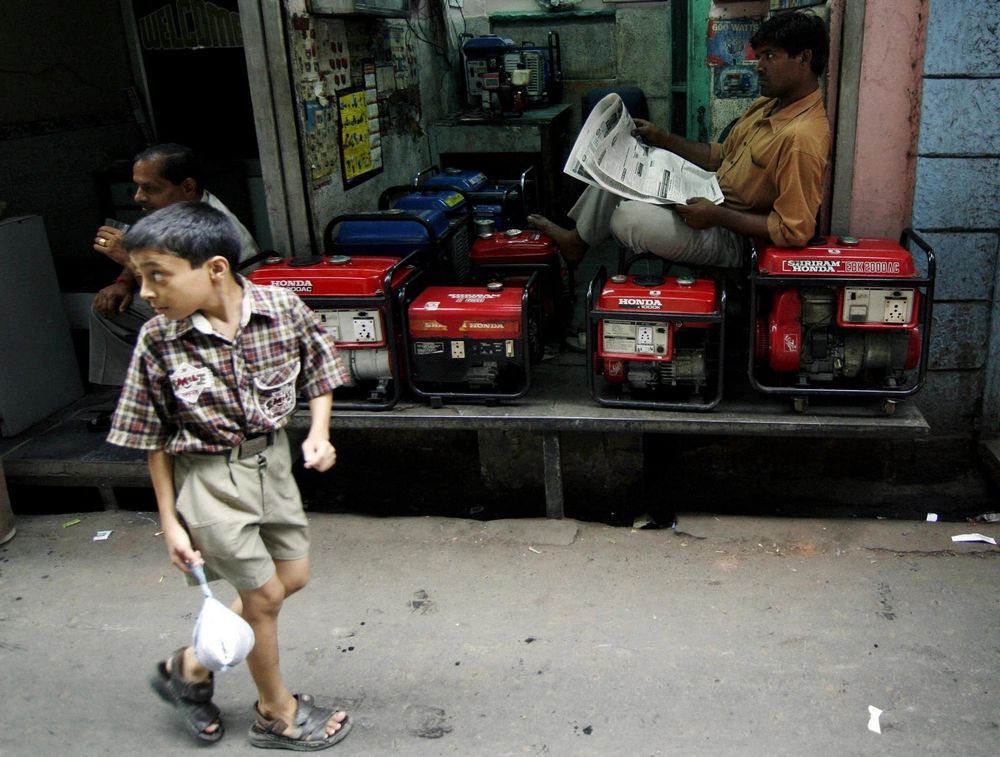
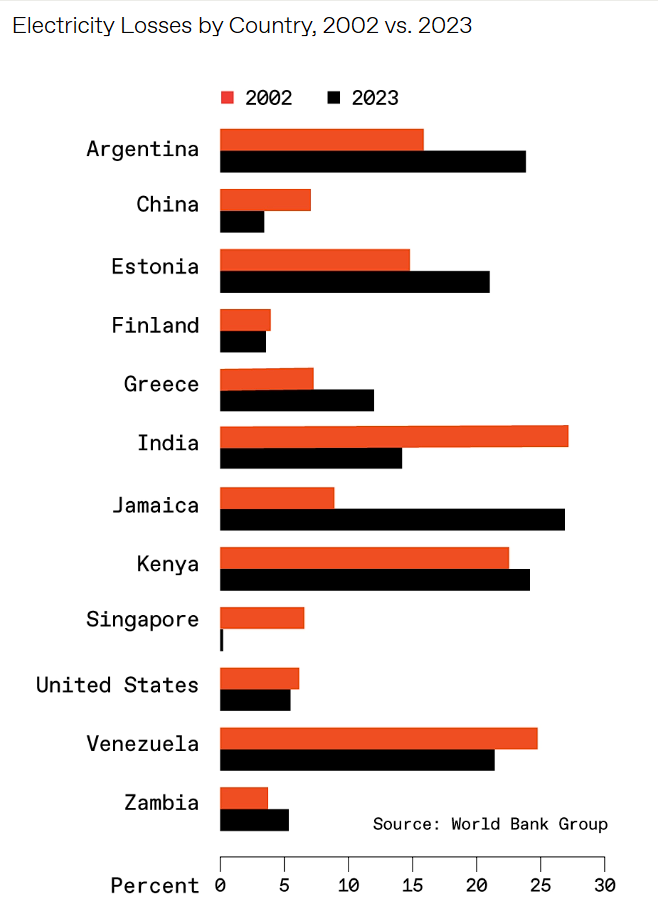
However, thanks to the long-term efforts of the government and power companies, the power loss rate has dramatically decreased from over 50% in 2002 to 5-6% in 2026, and the reliability index of the power grid has also improved from less than 70% to over 99.9%. Thanks to the stable power supply, all businesses in the city have prospered, and the quality of life has improved.
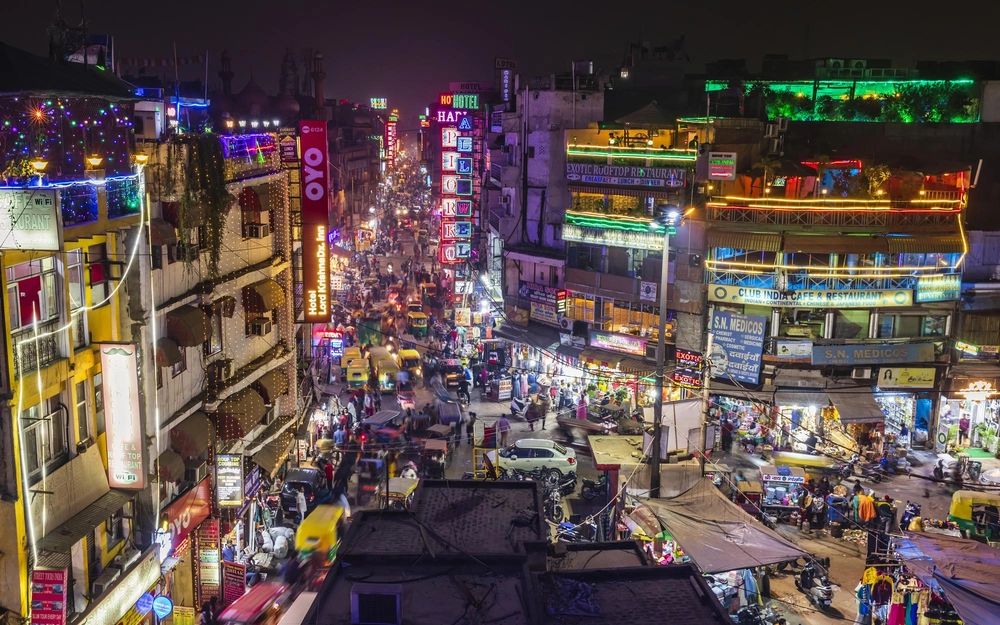
Delhi, the capital of the Republic of India, is located in the northern part of the country along the Yamuna River. With a population of approximately 23 million, it is one of the most densely populated areas in the world. Delhi's power grid consists of thousands of kilometers of transmission lines, and its peak electricity demand in 2026 reached a record high of 8,748 megawatts. As of 2026, Delhi purchases 76% of its electricity from the central power company and private companies in neighboring states. Electricity generation within the city is limited to natural gas and renewable energy sources.
In the early 2000s, Delhi's power distribution system, which had a history of nearly 100 years, was severely aging. Transmission line breaks and transformer failures were frequent, leading to increasing technical losses (heat loss during transmission) and commercial losses (electricity theft, misuse, and inadequate collection systems). In particular, design problems in the transmission network and the need to supply excessive current to compensate for power shortages, coupled with serious problems with electricity theft and misuse, meant that power companies were only able to recover less than half of the electricity they supplied.
To break the deadlock, the Indian government enacted the Electricity Act 2003 (EA03) , promoting the separation of power generation, transmission, and distribution, as well as the privatization of the power sector. In addition, in Delhi, the aging Delhi Electricity Board was dismantled starting in 2002, and the distribution business was transferred to two private companies (BSES and North Delhi Power Limited).
The new power company implemented reforms in both technological and organizational aspects. The technological reforms were as follows:
• Real-time monitoring and control through the introduction of a SCADA system
- Infrastructure upgrades (replacement of transformers and switches) and development of maintenance plans.
- Voltage stabilization and current reduction through reactive power compensation
- Replacement with insulated cables (to prevent electricity theft and improve ground fault prevention capabilities)
- Modernization of meters (introduction of digital meters, group meter systems, and smart meters)
The organizational reforms are as follows:
- Restructuring of the organizational structure and implementation of employee training
- Improved customer service (24-hour kiosk, online payment, mobile app, early payment incentive)
- Strengthening measures against electricity theft (cooperation with law enforcement agencies and collaboration with local communities)
• Utilization of AI (electricity theft detection, demand forecasting, customer support)

As a result of numerous reforms, Delhi's power grid has dramatically improved. The fear of blackouts has been eliminated, and stable use of Wi-Fi and heating/cooling systems is now possible, leading to increased business activity, greater adoption of electric vehicles, and an overall improvement in the quality of life.
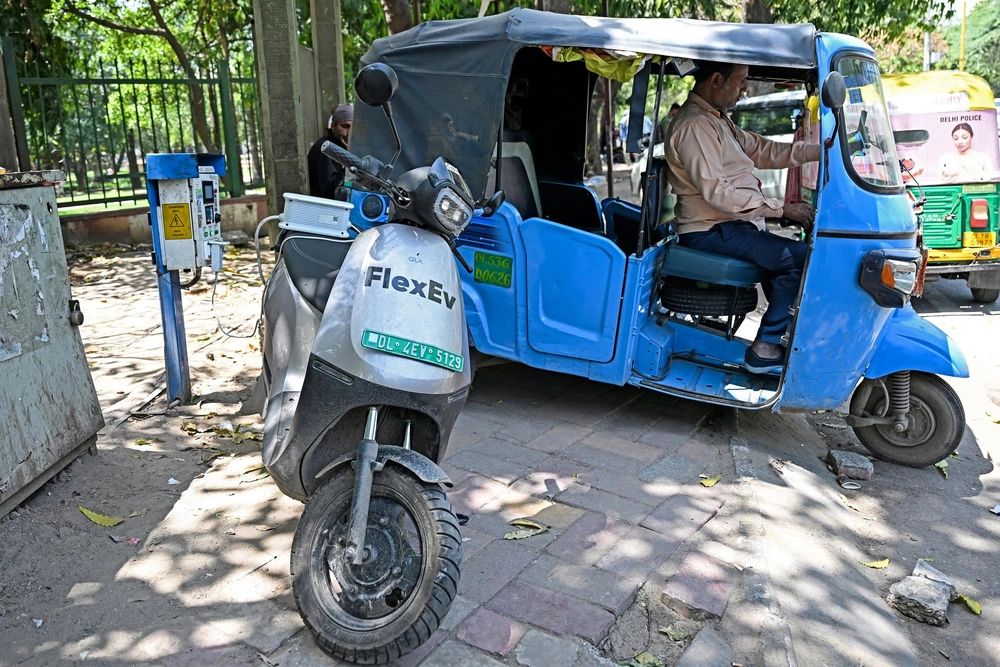
Delhi's power grid reform has been successful, but high loss rates are still being reported in some areas due to issues such as unauthorized charging of electric rickshaws. However, the lessons learned from Delhi's reforms highlight the importance of combining technology with disciplined implementation, operational accountability, and strong consumer engagement. While technologies such as smart meters and AI are important, fundamental elements such as training field employees, enforcing laws, and collecting charges are also essential for sustainable loss reduction.
Delhi's power grid reform case offers hope and lessons to cities around the world facing infrastructure challenges.
Related Posts: