A study suggests that upscale residential areas where wealthy people live are more likely to be hit by wildfires.
In recent years,
Increasing burned area and unequal ecological recovery in US urban-intersecting fires | npj Urban Sustainability
https://www.nature.com/articles/s42949-026-00455-5
Rich neighborhoods more likely to burn | UCR News | UC Riverside
https://news.ucr.edu/articles/2026/09/16/rich-neighborhoods-more-likely-burn
Rich US Neighborhoods Are More Likely to Burn in Wildfires, Study Reveals : ScienceAlert
https://www.sciencealert.com/rich-us-neighborhoods-are-more-likely-to-burn-in-wildfires-study-reveals
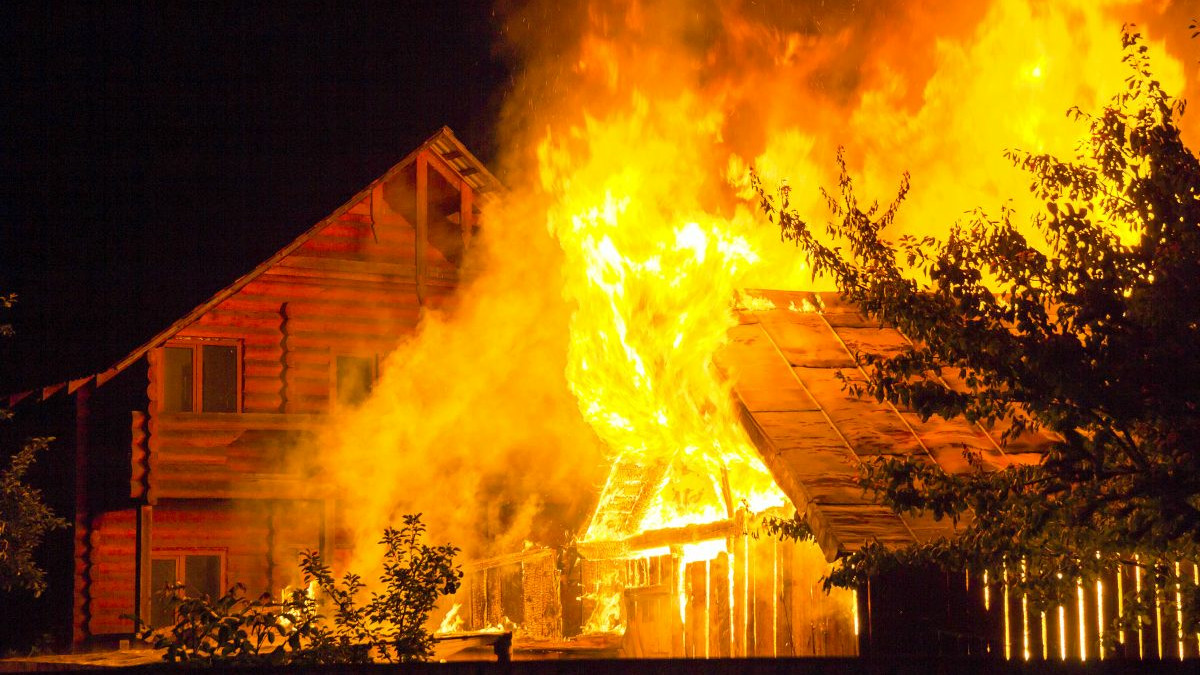
In recent years, wildfires have become frequent around the world, and people living in hilly areas near forests on the outskirts of cities are particularly hard hit. In particular , a wildfire that broke out in Los Angeles, USA in January 2025, destroyed a large part of Pacific Palisades , a well-known upscale residential area, and killed 12 people. It is believed that this wildfire was caused by arson, and in October of the same year, a 29-year-old man was arrested on suspicion of arson .
In this study, a research team led by Dion Kuchera, a postdoctoral researcher in urban ecology at the University of California, Riverside, investigated the social distribution and impact of wildfires that struck urban areas. The study focused on 141 fires that crossed urban areas in the United States between 1984 and 2025, and analyzed these records in combination with land development, climate, and demographic data.
The analysis revealed that the risk of fire in urban areas is not randomly distributed. Affluent residential areas with significantly higher median incomes were found to be approximately 30% more likely to be affected by fire. Kuchera stated, 'These urban fires consistently occur in suburban, owner-occupied residential areas where high-income earners live. This trend has remained unchanged for over 40 years.'
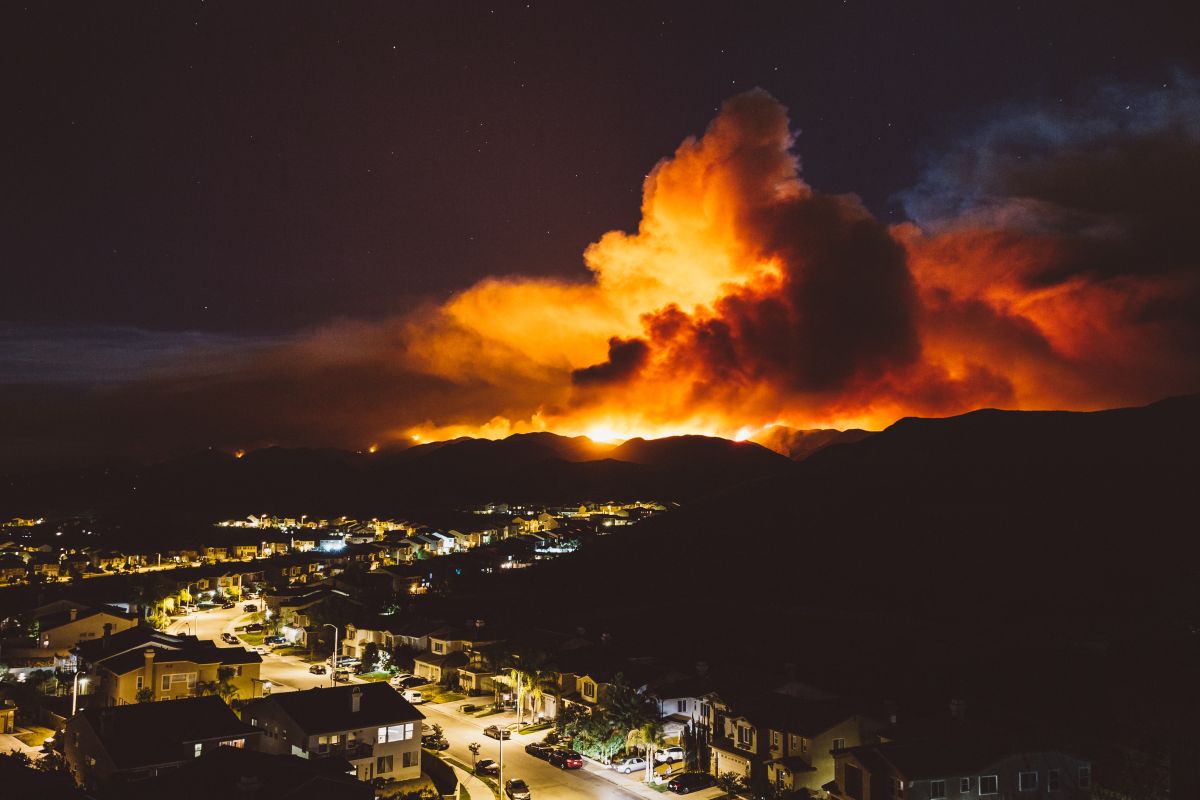
While there wasn't a significant increase in the annual number of fires between 1984 and 2025, there was a noticeable trend towards larger fires and an increase in the area burned in urban areas. However, this trend was heavily influenced by years with particularly severe fire damage and was not statistically robust.
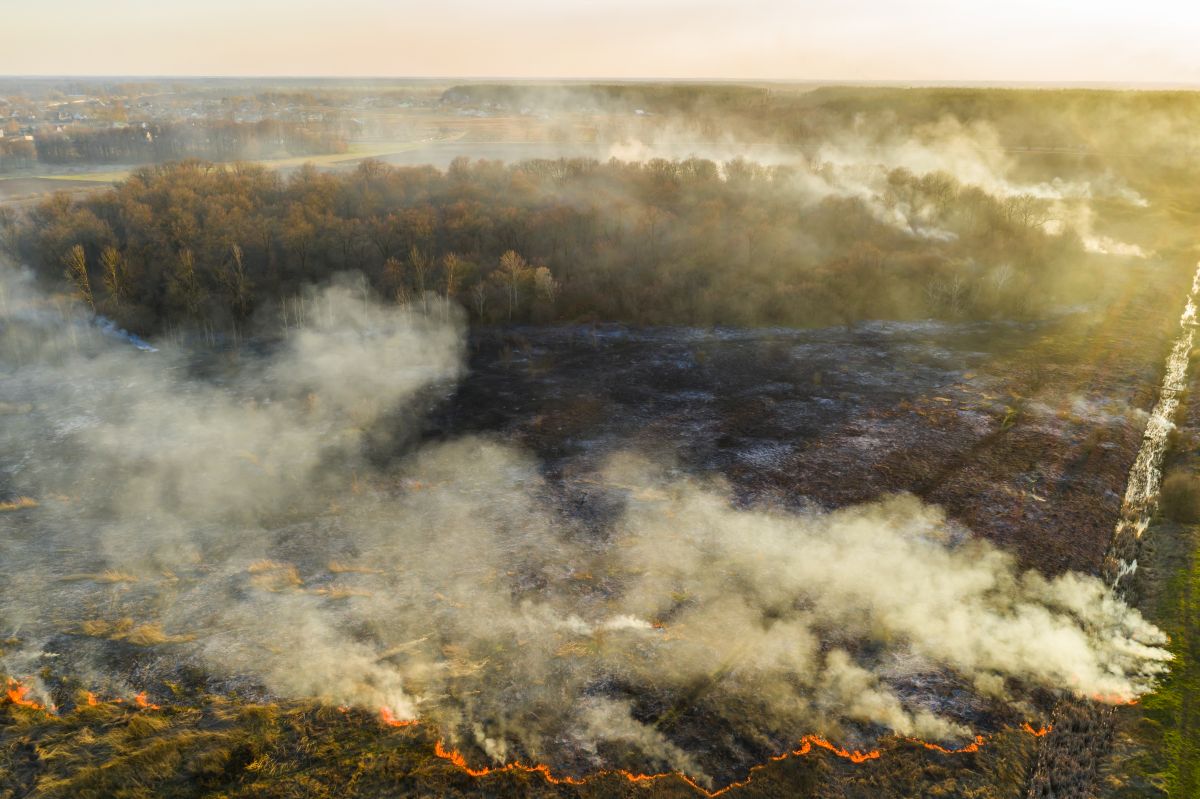
The research team also investigated the factors preceding these fires. Their findings revealed that, rather than prolonged droughts—often seen as a sign of fire—severe environmental dryness in the six months prior to the fires was a more significant contributing factor.
In approximately 40% of the fires studied, a rapid shift in the surrounding environment from humid to dry conditions was observed. Kuchera stated, 'This suggests that measuring moisture levels over a 3-6 month period may be more important than long-term drought assessments for urban administrators trying to identify periods of increased fire risk.'
This study also confirmed that areas severely affected by fires experienced significant loss of green space and a rise in ground temperature. According to the research team, temperatures rose by approximately 2.4°C in areas severely damaged by fire during the first three months after the fires. Even five years after the fires, approximately 78% of the areas had not returned to pre-fire temperatures, and approximately 73% had not recovered to their previous green space levels.
On the other hand, areas with higher residents' incomes tended to recover more quickly in terms of temperature and green space. This suggests that wealthy residents have more resources to spend on reconstruction work such as debris removal, building reconstruction, irrigation for green space restoration, and landscaping, leading to faster recovery after the fires.
It should be noted that these research findings do not mean that only wealthy residents are affected by wildfires, nor do they mean that areas inhabited by the poor are immune to them. Nevertheless, they suggest that understanding fires that strike urban areas requires considering the social characteristics of the locations where the fires occur.
The research team pointed out that urban areas have their own unique patterns regarding fire exposure and recovery, shaped by factors such as 'where buildings are constructed,' 'who lives there,' and 'how many resources are available.' Kuchera stated, 'The urban fire problem is not structured solely by climate, as it is in forested areas. To address the intensification of urban fires, we need to look not only at forests but also at the structure of our cities.'
Related Posts:


in Free Member, Science, Posted by log1h_ik