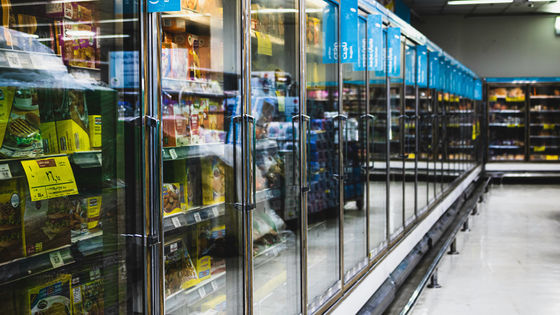
Hacking attack on a military store's freezer suggests that refrigerated and frozen food sections could pose a national security threat.
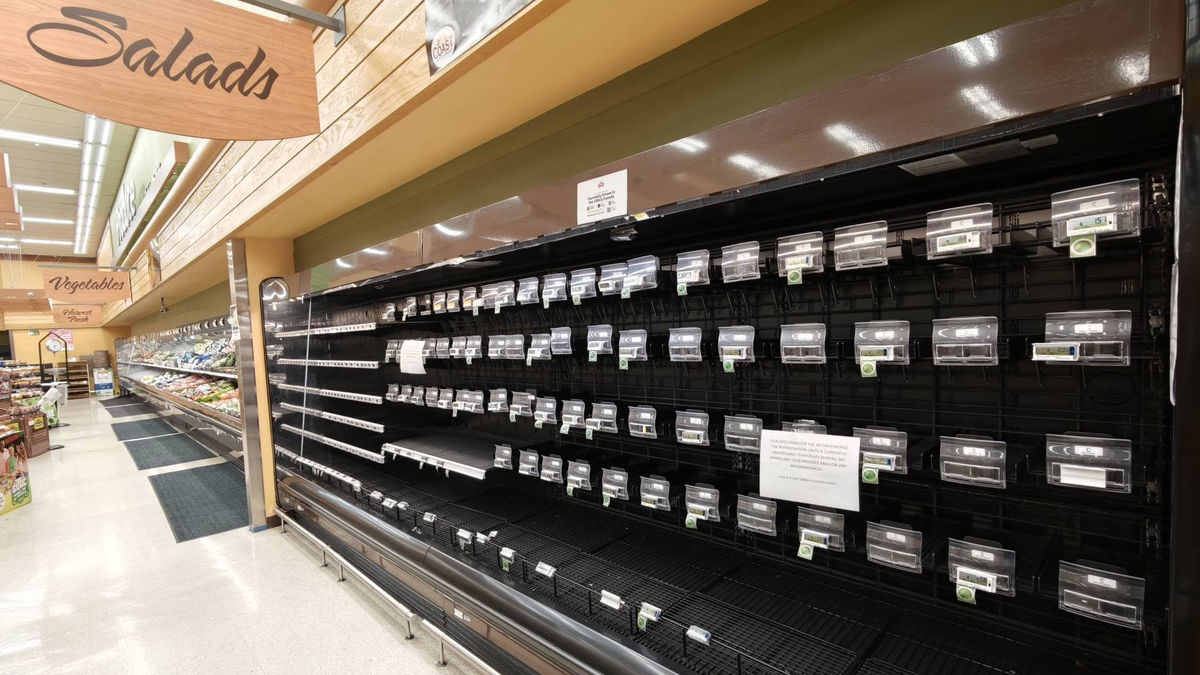
Between August 26th and 27th, 2026, reports of refrigerator and freezer malfunctions in military facilities across 11 US states were confirmed. While the possibility of external hacking was considered, the Department of Defense later acknowledged the possibility of a malfunction in the refrigeration equipment.
I Think the Military Commissary Freezers Were Hacked
Army, Air Force special agents investigate refrigerator outages affecting several commissary stores | Stars and Stripes
https://www.stripes.com/theaters/us/2026-09-01/army-cid-investigates-commissary-refrigerator-outages-22721718.html
M. Elizabeth, who specializes in military and government-related investigations and reporting, prefaced her report by saying, 'I know this is not sane, but please bear with me,' and then reported on August 28, 2026, that 'In the past few days, official sources have confirmed that refrigeration equipment failures or serious problems have occurred at at least six military facilities almost simultaneously, and several other cases have been confirmed by independent sources. I think there is a non-zero possibility that someone hacked into the store freezers.' The initial trigger was discovering a post on social media lamenting the sudden disappearance of the refrigerated and frozen food section from a store, and then, as similar posts appeared in other locations around the same time, Elizabeth focused on military network security.
As a result, Elizabeth compiled a list of reports of refrigerator and freezer malfunctions at commissaries at 14 military facilities across 11 states between August 26th and 27th. Note that some of these are independently confirmed and not officially announced.
Fort Huachuca (Arizona)
FE Warren Air Force Base (Wyoming)
Fort Irwin (California)
Columbus Air Force Base (Mississippi)
Newport Naval Base (Rhode Island)
Travis Air Force Base (California)
• Lemoore Naval Air Station (California)
Port Hueneme (California)
Little Rock Air Force Base (Arkansas)
Dice Air Force Base (Texas)
Holloman Air Force Base (New Mexico)
Robbins Air Force Base (Georgia)
McConnell Air Force Base (Kansas)
Cannon Air Force Base (New Mexico)
For example, the following is a post from Fort Wachuca's Facebook account on August 27th announcing that 'due to an equipment malfunction during the night, all of the store's freezers entered 'defrosting mode' and heated the contents, causing all the food inside to spoil.' The post includes actual photos of the empty refrigerators and freezers.
Comments regarding Fort Wachuca suggested that the refrigeration equipment at Fort Wachuca was replaced relatively recently, and that the freezing and air conditioning systems were remotely controlled through the Defense Commissary Agency (DeCA), which operates food stores called 'commissaries' for military personnel and their families. The veracity of these comments is unknown, but Elizabeth said that after examining DeCA's refrigeration technical specifications, she was able to confirm that the 'defrosting operation' of the freezers is also controlled remotely.
Also, at Holloman Air Force Base, a note was posted in front of the refrigerators and freezers in an empty store that read, 'Due to an unexpected malfunction of the refrigeration system, the sale of refrigerated and frozen products will be suspended for the time being.'
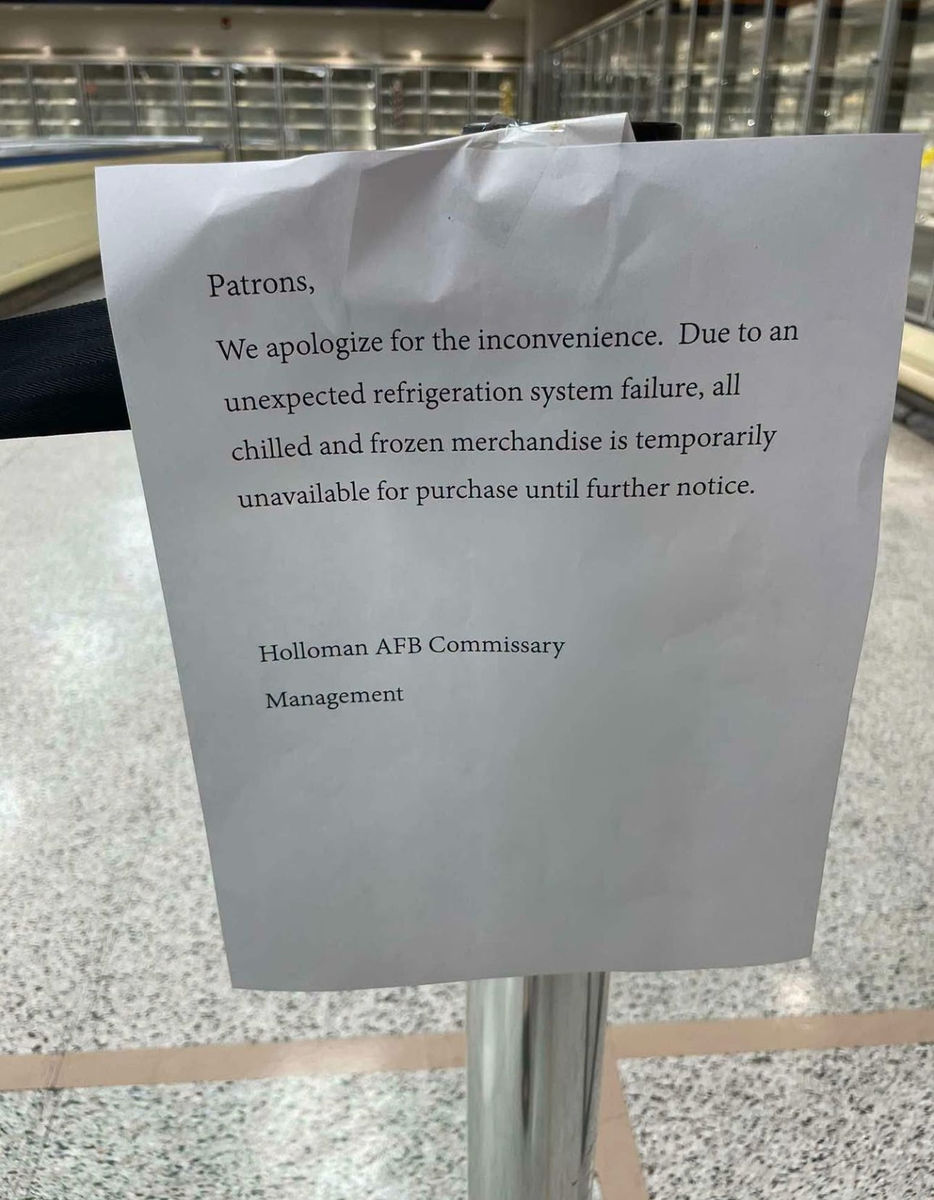
Fort Irwin also acknowledged a similar problem and has closed off its refrigerated section and posted a notice.
Elizabeth is paying close attention to the timing of this incident. On August 9, 2026, a research team at industrial cybersecurity firm Claroty
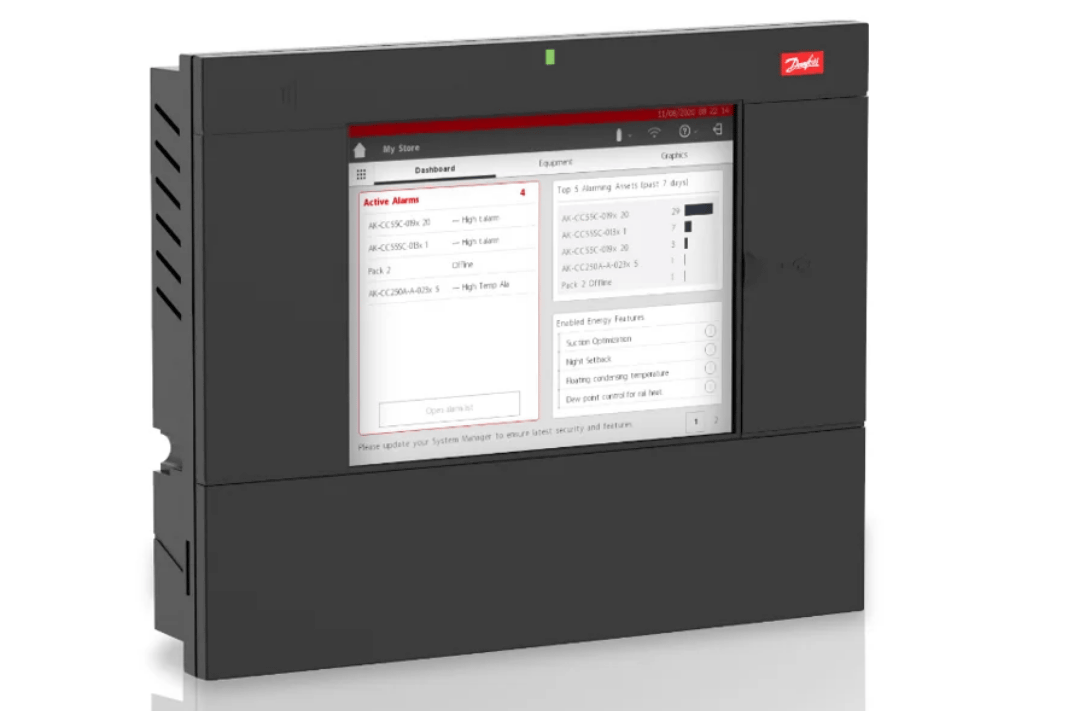
It has not been confirmed that military facilities, including Fort Huachuca, are using the Danfoss AK-SM 800A. However, a searchable copy of DeCA's equipment list states that the El Centro Naval Air Facility has a Danfoss AK-SM880 cooling monitoring and control system installed, confirming that Danfoss's AK-SM series technology is being used within the DeCA environment.
Also on August 9th, Claroty
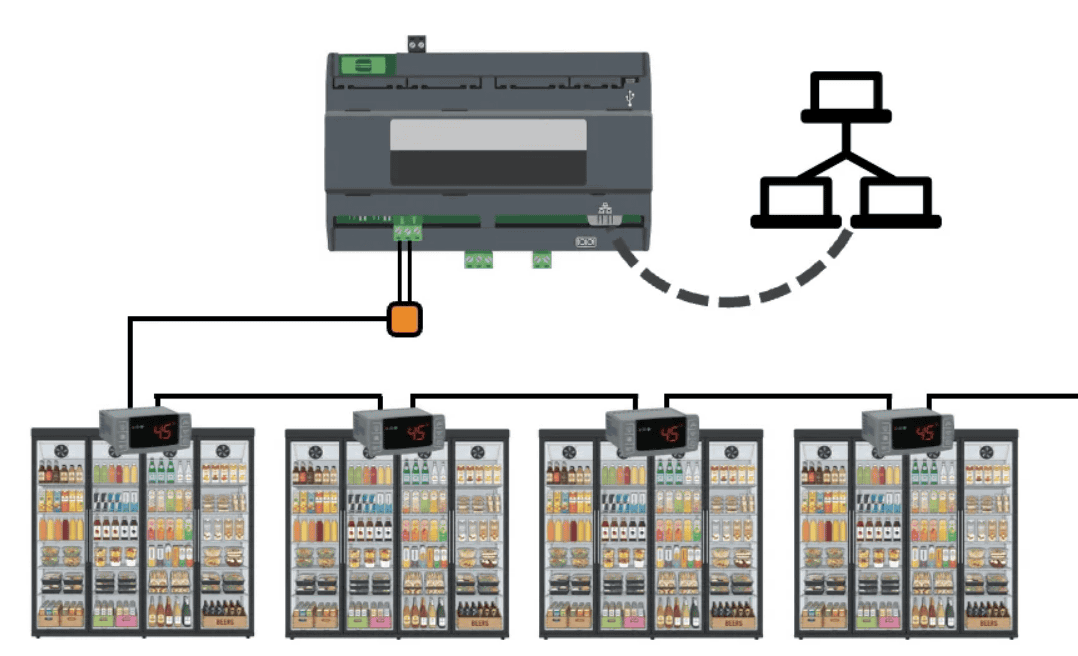
However, these reports only suggest the possibility that 'hacking the control system could have disrupted the cooling system in the military store,' and do not provide evidence that a hacking actually occurred. The phenomenon could also be explained by general software problems, misconfigurations, failed updates, communication failures, or maintenance issues affecting DeCA as a whole. In fact, DeCA listed 'addressing aging infrastructure' as a challenge in its March 2026 procurement documents. Nevertheless, Elizabeth points out that it seems highly improbable that Fort Huachuca experienced a 'defrosting operation' to warm the food inside, rather than a complete shutdown of cooling or power supply, due to a combination of many coincidences.
On August 19, 2026, the U.S. National Security Agency (NSA) and its partner agencies warned that 'cyber attackers are currently conducting targeted reconnaissance and capability building against 'industrial control devices' within the United States.' While the connection between this and the DeCA incident is unclear, the question of 'why a refrigerator was targeted instead of a critical military network' can be explained by the possibility of reconnaissance hacking.
On September 1, 2026, Stars and Stripes reported that special investigators from the Army and Air Force were investigating refrigerator malfunctions affecting multiple military stores. Details of the operation were not disclosed, and direct questions about concerns regarding unauthorized access to the store systems were not answered, but the report stated that the Air Force revealed that the Defense Criminal Investigation Agency was leading the investigation.
Ultimately, the U.S. Department of Defense acknowledged the possibility that 'failures in refrigeration equipment occurred at numerous DeCA stores,' but the cause was not disclosed.
Related Posts:




in Security, Posted by log1e_dh