The signs of a heart attack or stroke may be appearing on your face.

Cardiovascular diseases such as heart attacks and strokes are often life-threatening, making early detection of the signs of these illnesses crucial for prevention. A recent study has reported that these signs may appear on the face, a feature easily visible to everyone.
Xanthelasma and its association with developing major cardio-cerebrovascular events - Atherosclerosis
A Warning Sign of Heart Attack And Stroke May Show Up on Your Face : ScienceAlert
https://www.sciencealert.com/a-warning-sign-of-heart-attack-and-stroke-may-show-up-on-your-face
Atherosclerosis, a condition in which fatty plaque accumulates on the inside of arteries, restricting blood flow, is one of the conditions that can lead to heart attacks and strokes. Although it can easily lead to serious illnesses in the future, atherosclerosis progresses without any noticeable symptoms, so doctors and scientists are looking for signs that can lead to early detection.
Amidst this situation, a research team from Stanford University and other institutions focused on a condition called ' xanthoma palpebral, ' which causes yellow spots to appear around the eyes. Xanthoma palpebral develops when cholesterol and other fats accumulate in macrophages , a type of immune cell, causing them to swell. It has been observed that elevated blood cholesterol levels can sometimes be observed in people who develop xanthoma palpebral.
Since elevated cholesterol levels and fat accumulation are also associated with atherosclerosis, the research team hypothesized that xanthomas on the eyelids might function as a sign of heart attack or stroke. The research team stated, 'While some studies support a link between xanthomas on the eyelids and an increased risk of cardiovascular disease, there is also debate as to whether xanthomas on the eyelids may not be an independent risk factor when conventional risk factors are taken into account.'

by Klaus D. Peter, Wiehl, Germany
A new study compared health data from 17,925 people diagnosed with xanthelasma palpebralis with the same number of control individuals diagnosed with hyperopia. The control group was selected because, since diagnosing hyperopia requires an eye examination, 'if someone diagnosed with hyperopia also had xanthelasma palpebralis, it would always be reported.'
Analysis of the data revealed that the rate of heart attacks in the first year was 0.35% in the control group compared to 1% in the xanthoma group. Furthermore, the rate of stroke was 0.95% in the xanthoma group compared to 0.3% in the control group, and
Although the difference between the two groups narrowed over time, the xanthoma group still showed a significantly higher risk at both 5 and 10 years after the start of data collection. Furthermore, the risk of developing these cardiovascular diseases was similar in the xanthoma group regardless of blood lipid levels. This suggests that blood lipid levels are not the sole underlying factor.
The research team concluded, 'Xanthoma palpebrale is associated with increased short-term and long-term incidence of MACCEs (major cardiovascular events) over a period of up to 10 years. This highlights the value of xanthoma palpebrale as a clinical marker in stratifying and prophylactic management of cardiovascular risk.'
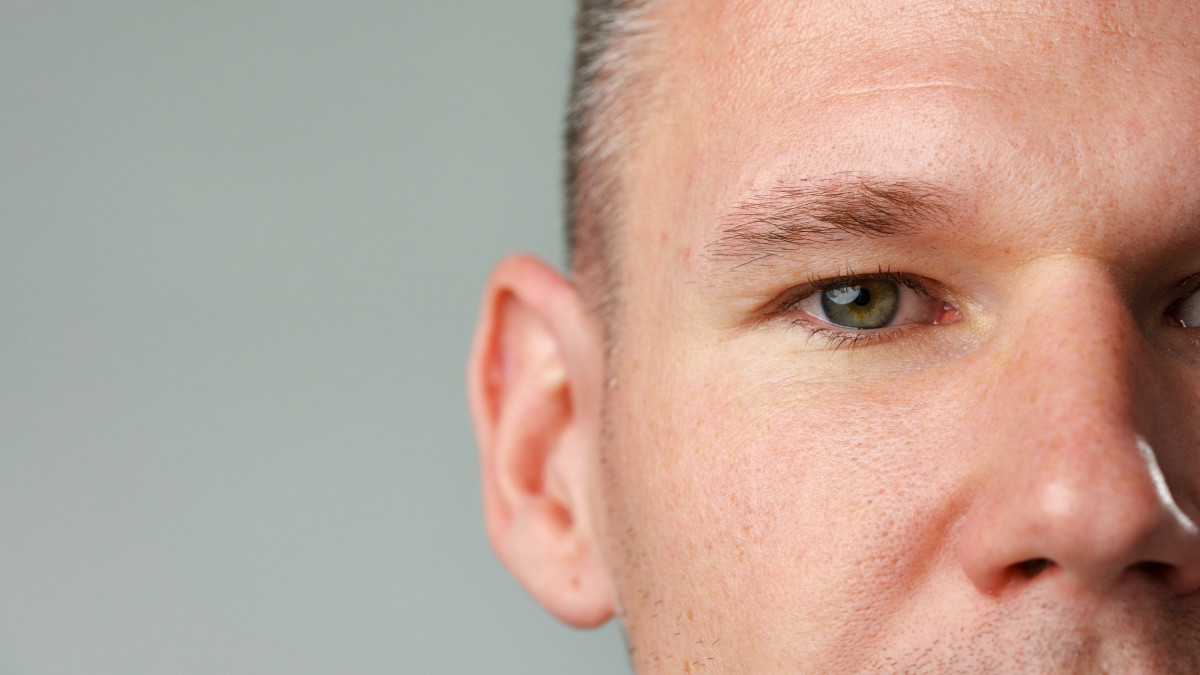
The yellow spots characteristic of xanthoma blepharocarpus are generally harmless, and the problem is often considered cosmetic, so patients mostly visit dermatologists for cosmetic reasons. However, these findings suggest that these individuals may have undiagnosed or uncontrolled risk factors for cardiovascular disease.
Fortunately, xanthelasma is easily detectable by doctors, making it a useful sign for initiating lifestyle changes and medication before heart attacks or strokes occur. The research team stated, 'Our findings highlight the importance of early assessment of patients with xanthelasma and identifying and managing underlying conditions to help prevent potential cardiovascular and cerebrovascular diseases.'
Related Posts:







in Free Member, Science, Posted by log1h_ik