Thanks to the construction of an 'artificial beaver dam,' the survival rate of silver salmon fry improved from 8% to 60%.
Frontiers | Riparian wetland creation using beaver dam analogues improves threatened salmon populations amidst severe drought
https://www.frontiersin.org/journals/ecology-and-evolution/articles/10.3389/fevo.2026.1717337/full
People started building artificial beaver dams in California. Now something 'mind blowing' is happening | Discover Wildlife
https://www.discoverwildlife.com/animal-facts/artificial-beaver-dams-california
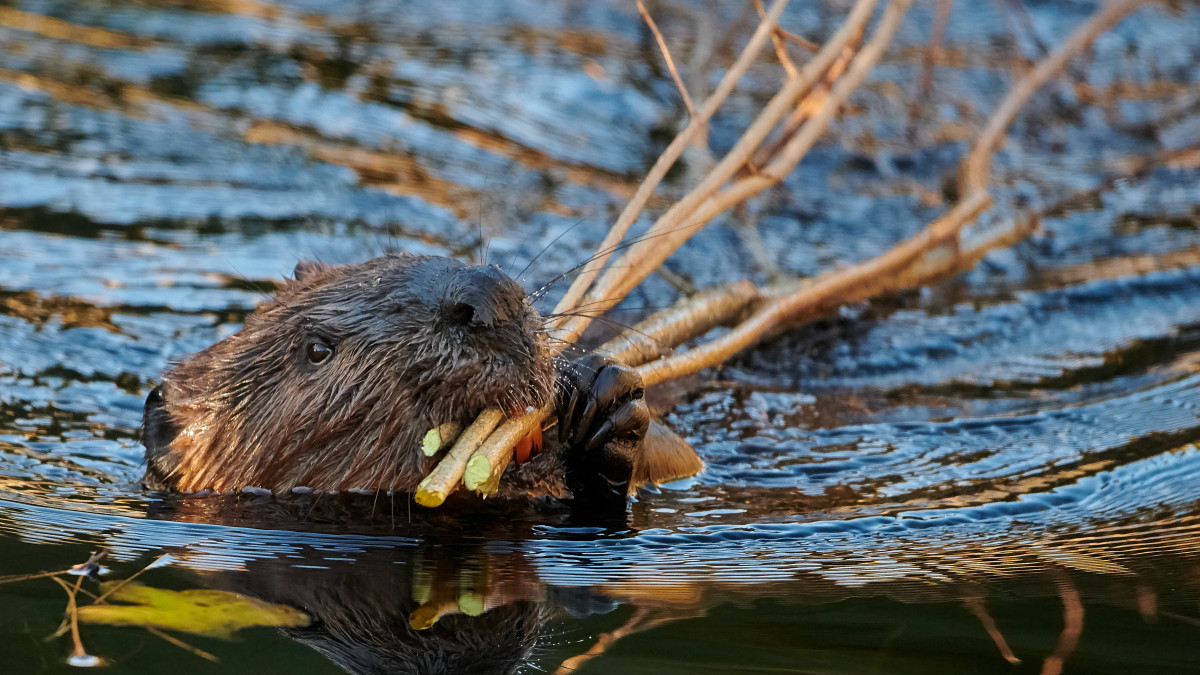
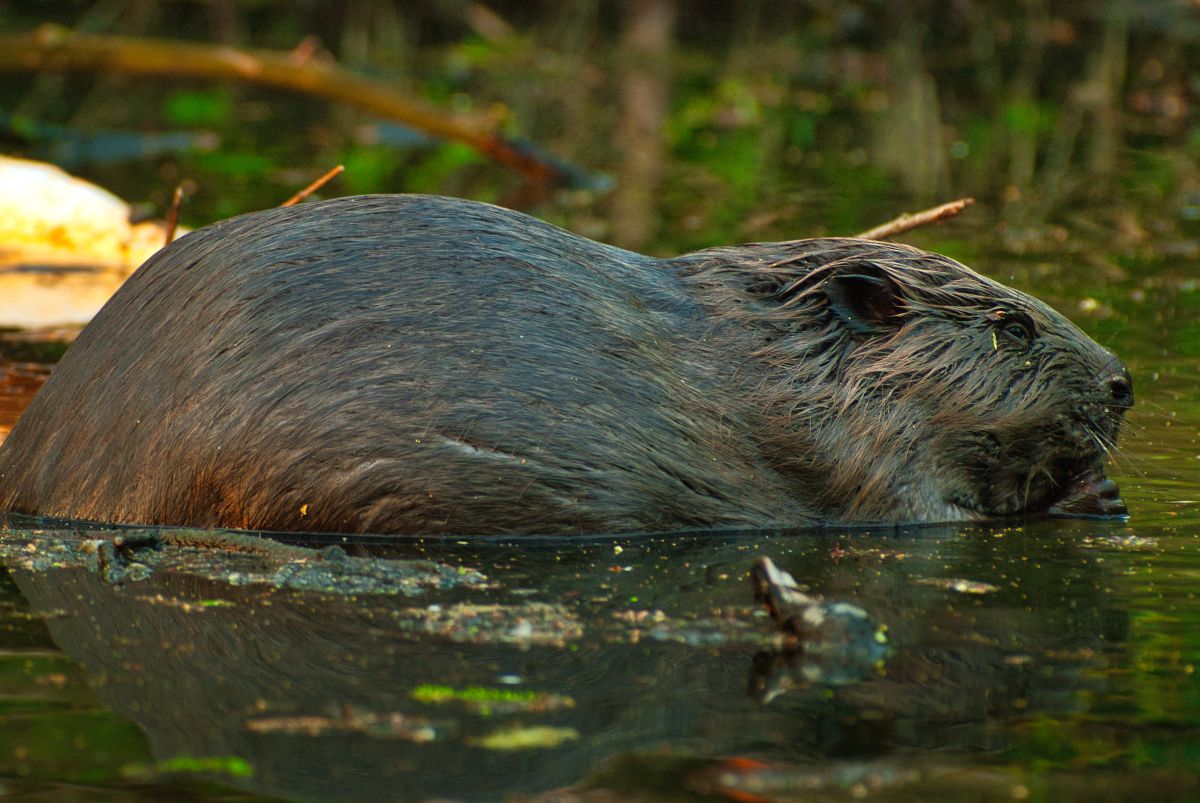
Beavers, found in the wetlands of North America and Europe, use their strong teeth to gnaw down trees, dead branches, and stones to build dams that block rivers. The reservoirs (ponds) formed by these dams not only serve as nesting grounds for beavers, but also become home to aquatic plants, attracting various animals and migratory birds.
However, beaver fur consists of two layers: a water-repellent layer and a soft, highly moisturizing layer, making it suitable for use in cold-weather clothing such as hats and coats. As a result, beavers were overhunted in Europe and America, with between 100,000 and 500,000 being killed annually in the first half of the 19th century, and their population dwindled to the brink of extinction.
In recent years, beaver conservation efforts have progressed, but their populations have still not returned to levels seen before overhunting by humans. The Scott River basin in northern California was once home to so many beavers that it was called the 'Beaver River,' but after fur hunters arrived in the 1830s, overhunting progressed, and at the time of writing, the beaver population was almost extinct.
The dams built by beavers in the Scott River basin created vast wetlands that served as habitats for many wild animals, including salmon fry. However, overfishing by beavers has led to the loss of these dams, reducing the cool, slow-flowing habitats that salmon prefer.
In 2015, the non-profit Scott River Basin Council built two dams on Sugar Creek, a tributary of the Scott River. These dams are modeled after beaver dams, constructed by driving wooden piles into the ground, weaving together willow and conifer branches, and filling the gaps with gravel, straw, and mud.
Three years later, several more artificial beaver dams were built on another tributary called 'French Creek.' Sometimes the beavers living there would even help with repairs, modifications, and sometimes expansions of the dams. 'When the beavers took over the construction, they did a far better job than we could have,' said Cherna Gilmore of the Scott River Basin Council.
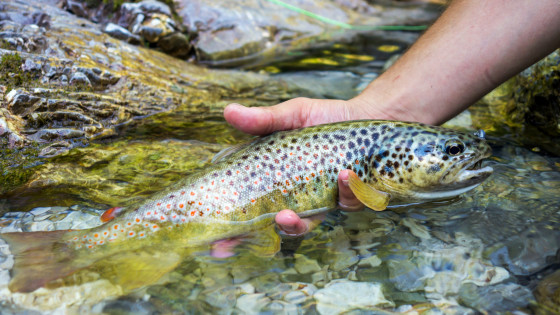
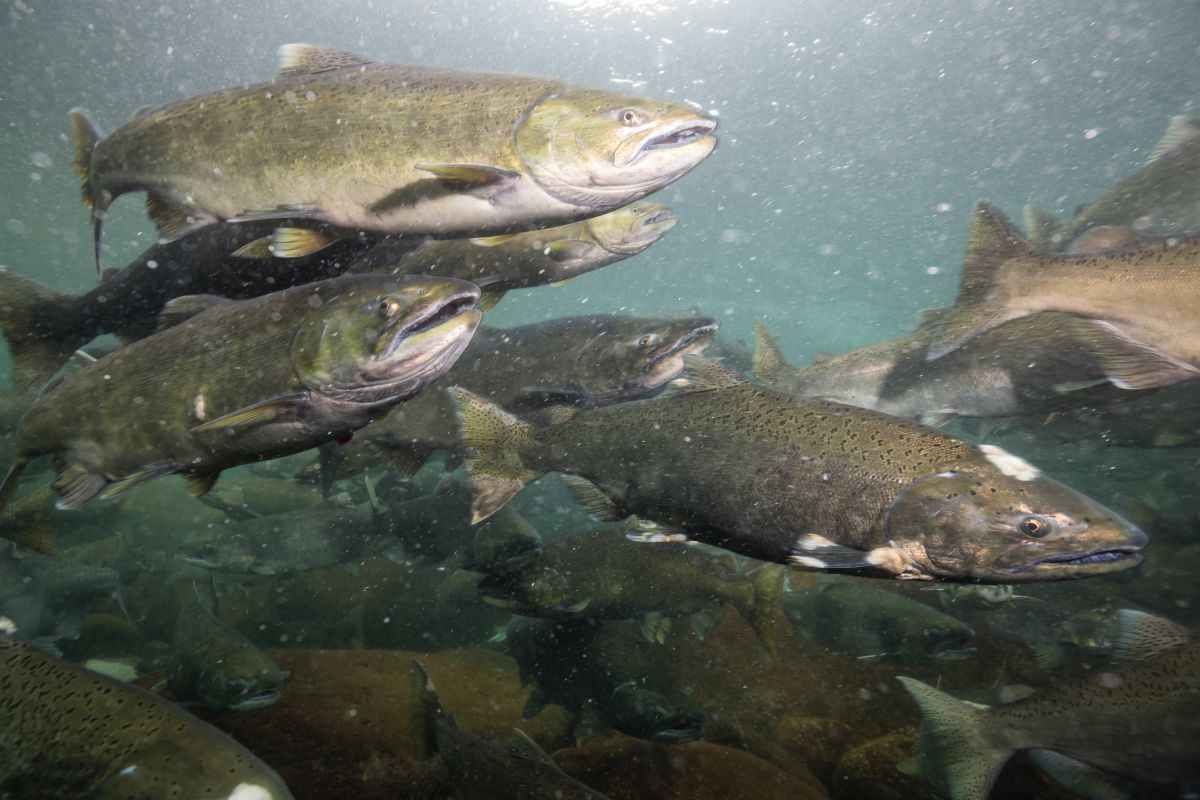
These artificial beaver dams have reportedly created approximately 9,000 m² of new habitat, enabling the care of more than 8,500 coho salmon fry. Compared to areas where the artificial beaver dams were not built, the water temperature in the habitats created by the dams has remained lower, preventing the rise in water temperature that would stress the fish. In French Creek, the survival rate of coho salmon fry increased from 8% before the dams were built to 60% afterward.
Coho salmon spend their initial time in rivers after hatching, then go out to sea to grow, and then migrate back up the river to spawn. Two years after the first artificial beaver dam was built, the Scott River saw a greater number of coho salmon migrating upstream than any of the other rivers surveyed.
Michael Pollock, a fish biologist at the National Oceanic and Atmospheric Administration (NOAA), described the results as remarkable. 'Thanks to the artificial dams, people have come to appreciate the capabilities of beavers and how essential they are to the health of river ecosystems,' Pollock said.
Related Posts: