What is the '20-minute solution' that can improve memory as much as a nap on days when you're sleep-deprived?
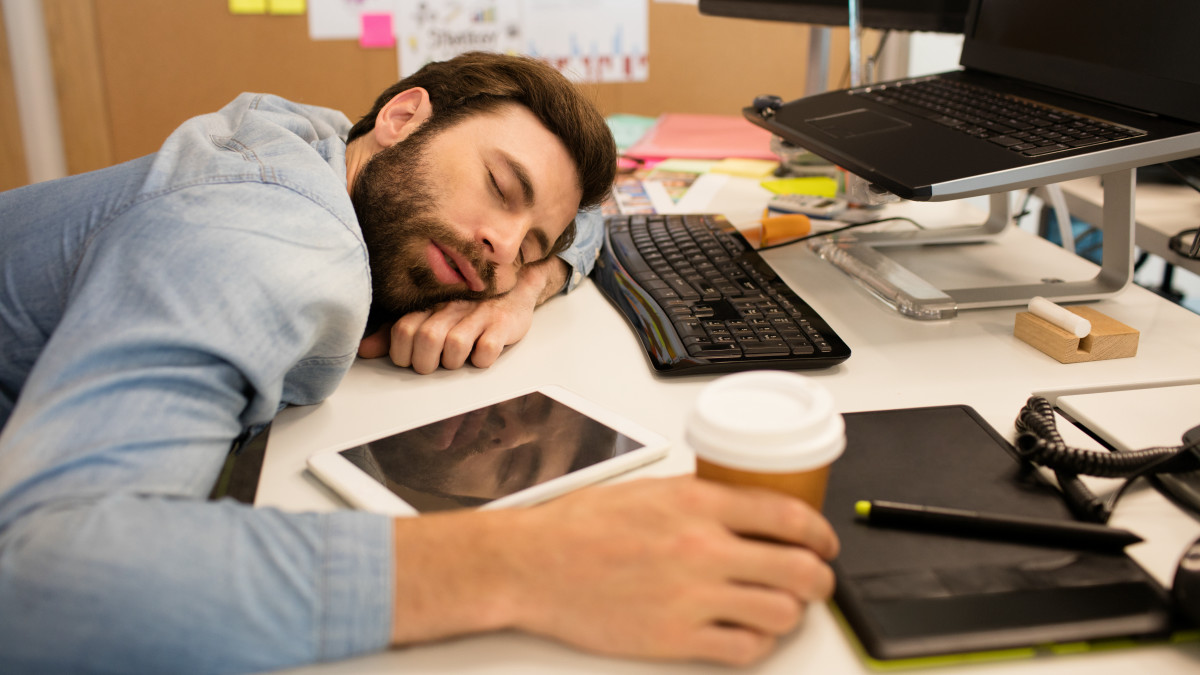
There are days when, due to various circumstances, you can only sleep for a significantly shorter time than usual, yet you absolutely have to work. A new paper reports that there is a '20-minute solution' that can improve your memory as much as a nap in such situations.
Protecting episodic memory after sleep loss: Similar benefits of exercise and naps via distinct neural contributions | PNAS
Workout or nap? Either can help your sleepless brain, study finds | Newsroom - McGill University
https://www.mcgill.ca/newsroom/channels/news/workout-or-nap-either-can-help-your-sleepless-brain-study-finds-373881
Running on 4 Hours of Sleep? This 20-Minute Fix Works Almost as Well as a Nap : ScienceAlert
https://www.sciencealert.com/one-20-minute-fix-can-boost-your-memory-in-cases-of-extreme-sleep-deprivation
Ideally, it's best to avoid sleep deprivation, but there are days when personal or work commitments make it impossible to get enough sleep. Of course, I know that taking a nap in between is the best solution, but it's not realistic to leave work to take a nap.
Mark Roig, a professor of physical and occupational therapy at McGill University in Canada, states, 'Sleep deprivation affects almost every aspect of our thinking and functioning, but many people simply cannot stop what they are doing and increase their sleep time.' So, Roig and his research team conducted a grueling experiment in which 54 healthy young adults were kept awake for 30 consecutive hours.
The subjects in the experiment were divided into three groups: 'a group that took a 90-minute nap (napping group),' 'a group that did moderate-to-high intensity cycling for 20 minutes (exercise group),' and 'a group that sat on a bicycle for 20 minutes without pedaling (control group).'
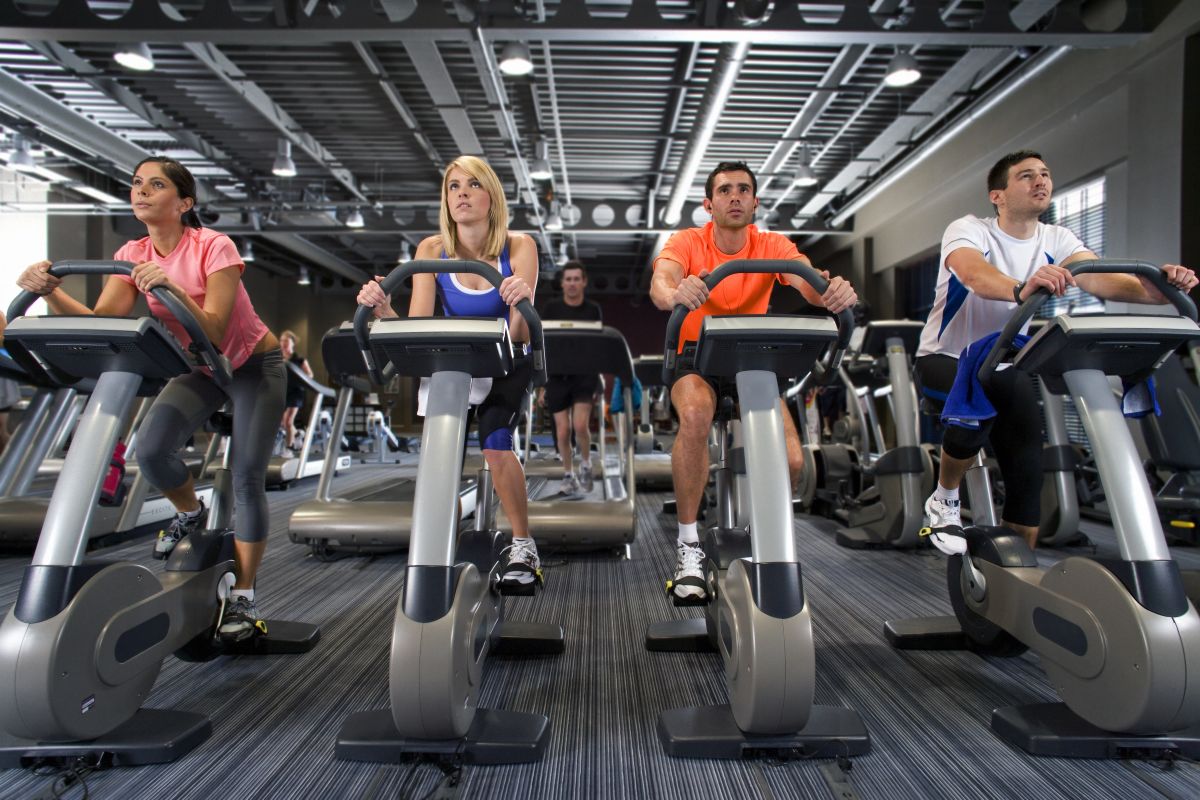
After performing actions specific to their respective groups, the participants were shown a series of images. While the participants were not instructed to 'memorize the images,' the research team tested how well they remembered them three days later.
The experiment revealed that the napping group scored 23% higher on memory tests and the exercise group scored 21% higher compared to the control group. There was no statistically significant difference between the napping and exercise groups. In other words, a 90-minute nap and 20 minutes of exercise produced roughly the same level of memory improvement in sleep-deprived individuals.
Furthermore, when the research team examined the brain activity of the subjects using an electroencephalograph, they found that the napping group and the exercise group showed similar improvements in memory through completely different neural pathways.
The napping group showed signs of reduced sleep pressure and fatigue, such as a decrease in
In summary, the experimental results suggest that napping helps the brain recover and makes it easier to remember information, while exercise helps the brain utilize its remaining resources more efficiently, thereby improving memory. 'Our findings suggest that even short periods of exercise may help maintain one of our most important cognitive abilities,' says Roig.
These research findings suggest that exercise can be a form of fatigue management strategy in jobs where sleep deprivation is common and mistakes can have serious consequences, such as in healthcare, transportation, and emergency response.
Madura Lotricard, the lead author of the paper and a doctoral student in neurology and neurosurgery at McGill University, said, 'Taking naps during work is not always possible. Exercise is easy to do, inexpensive, and simple to implement. Therefore, it is a promising way to help maintain cognitive abilities even when sleep time is limited.'
Related Posts:






in Free Member, Science, Posted by log1h_ik