What are the effects of the memory boom on the areas surrounding semiconductor companies' headquarters? From the Micron case to the emergence of new billionaires, job creation, increased traffic congestion, and soaring housing prices.
The AI boom has led to the construction of data centers, power plants, and component manufacturing plants necessary for AI development all over the world, and there are several examples of development progressing in the areas surrounding these facilities. In Japan, TSMC built a semiconductor factory in Kikuyo Town, Kumamoto Prefecture, and according to
How Micron's $50 billion Boise buildout is reshaping its hometown
https://www.cnbc.com/2026/08/20/micron-boise-chip-fab-expansion.html
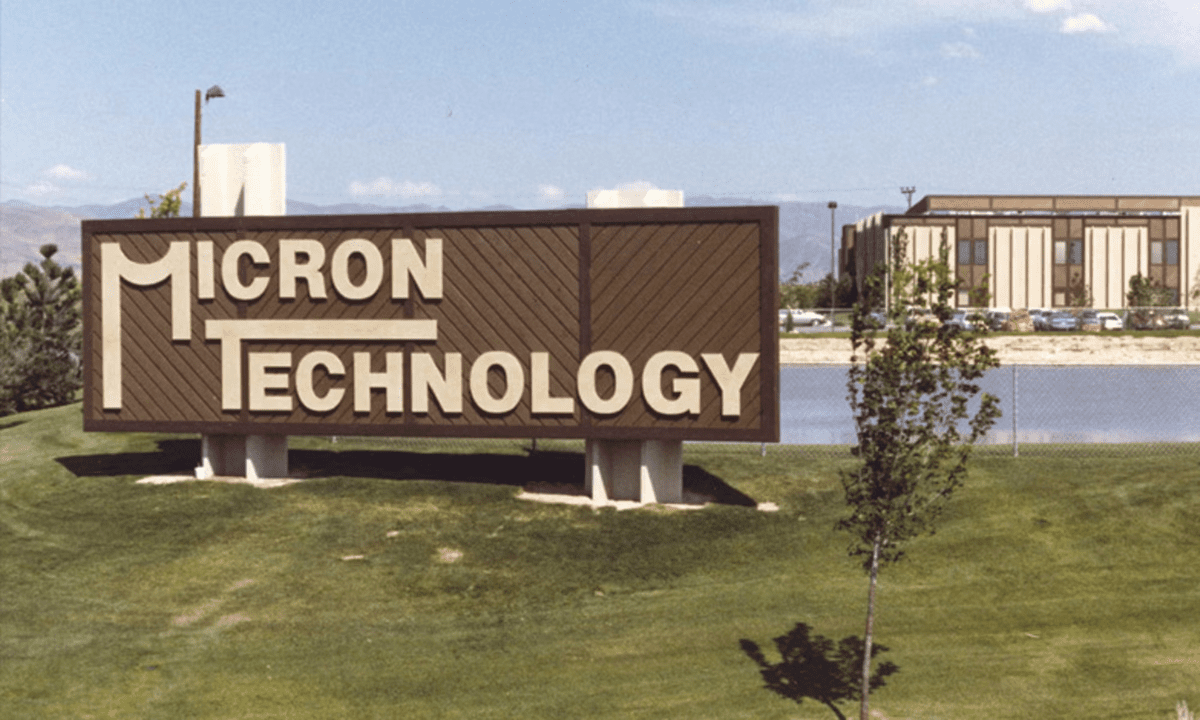
Micron was founded in 1978 in the basement of a dental clinic in Boise, Idaho. In 1980, construction began on its first semiconductor manufacturing plant, and a few years later, it developed the world's smallest 256K DRAM. In 1994, it was ranked in the Fortune 500.
Despite its long history, local investor Dave Pezzo recalls Micron as 'a boring technology company for many years, a terrible investment.' However, the AI boom has caused Micron's stock price to skyrocket more than tenfold in two years. Pezzo says his main job has become 'helping Micron employees diversify their assets.'
Locally, Micron's economic boom is reportedly having an impact in the form of increased employment, the construction of new facilities, and the emergence of restaurant districts.
For example, one jewelry store saw its sales increase by 60% year-on-year in 2026, and the real estate industry reported an increase in unusual cases of people purchasing homes for short-term stays. These purchases were made by Micron employees who received large windfalls due to the rise in stock prices. A local resident described Boise's booming economy, saying, 'Five years ago, nobody had a designer handbag. Nobody cared, and nobody even knew what Louis Vuitton was. Now everyone has one.'
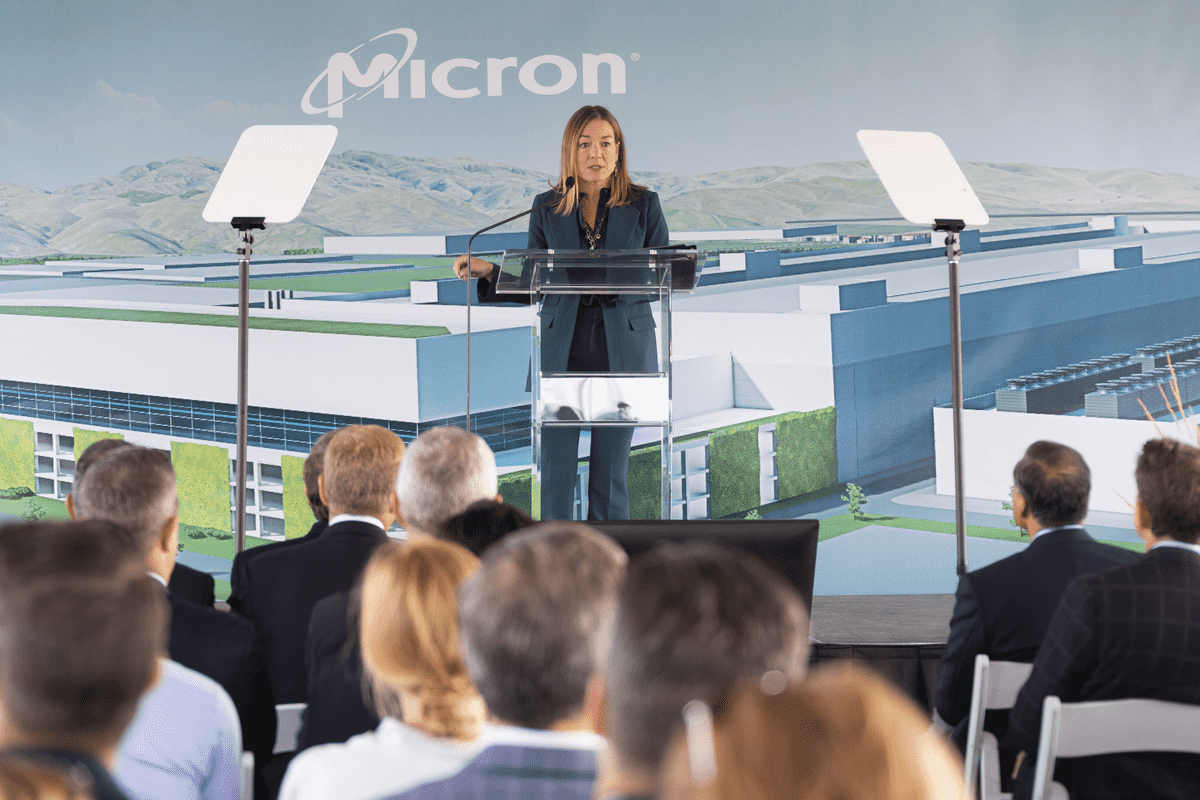
One of the city's signature restaurants has begun offering expensive dinners and has become a popular spot for Micron employees entertaining clients. Chris Comori, the owner of the restaurant, says, 'When I moved here in 2013, there weren't as many hotels or skyscrapers in the cityscape, and there were far fewer restaurants. Everyone was saying, 'What are you going to do in Idaho?' Now, you can't walk a block without some kind of construction going on.'
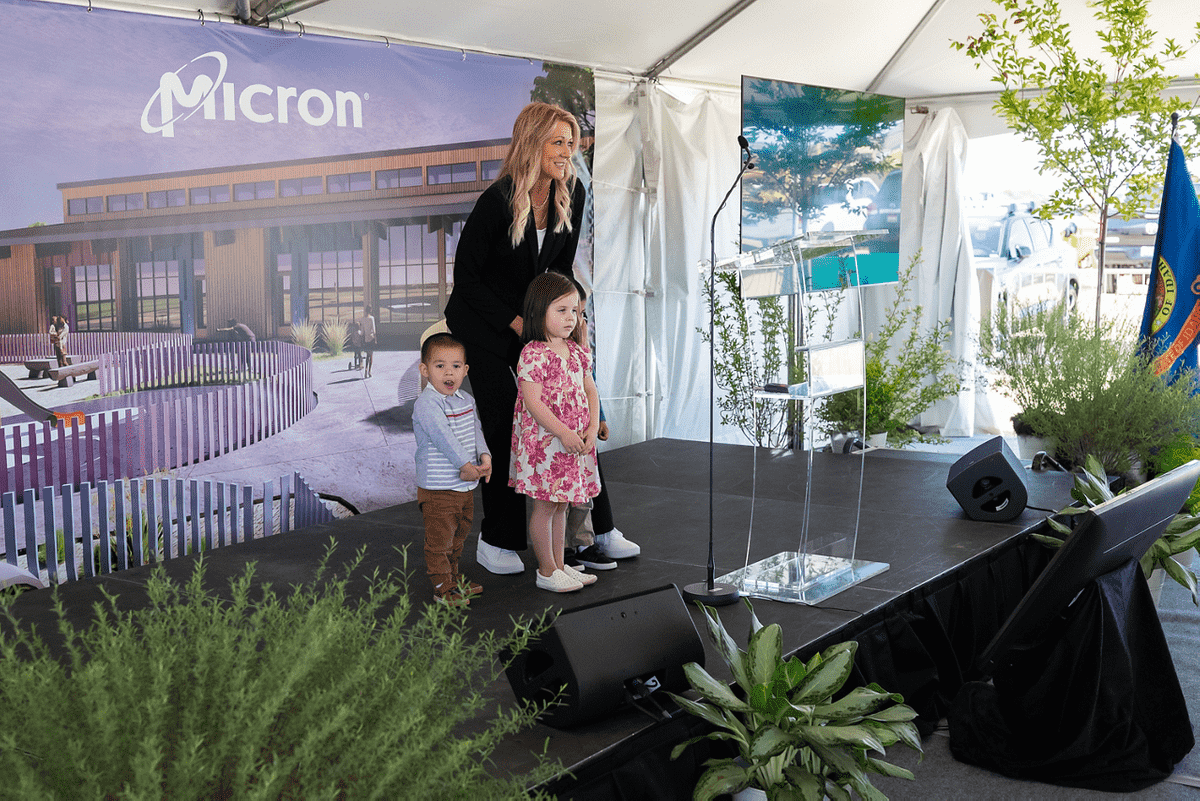
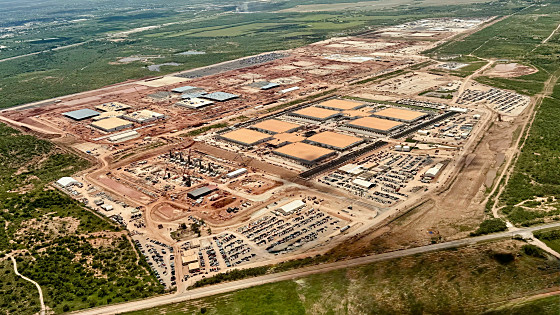
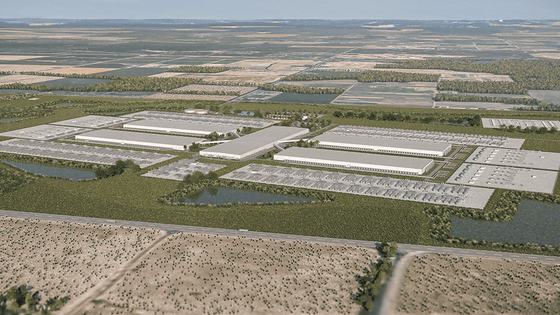
Micron is building two new semiconductor manufacturing facilities in Boise, with the first plant scheduled to begin operations in 2027. Micron already employs approximately 7,000 people in and around Boise, and the new facilities are expected to create more than 17,000 additional jobs. Recognizing the negative impact of rapid population growth on the surrounding area, Micron is reportedly working with the government to plan significant investments in regional development. Micron has already built childcare facilities for its employees and plans to invest $75 million (approximately 12 billion yen) in statewide talent development, education, and community development over the next 10 years.
The negative effects are already becoming visible, with locals complaining about frequent traffic congestion on city and interstate highways, rising housing costs, and changes in local culture and landscape due to the influx of people. Boise, which was originally attractive for its low cost of living, is gradually becoming a wealthier city, and the widening gap between the rich and the poor between locals who cannot keep up with the changes and the newcomers is also a cause for concern.
Related Posts:





in Note, Posted by log1p_kr