Can journalism be the key to combating scientific misconduct?

The scientific community faces problems such as plagiarism, manipulation of experimental data, and political and corporate interference in research, exacerbated by the ease with which AI can generate false data and images. In this context, 'watchdog science journalism,' which investigates and reports on misconduct related to scientific research, may hold the key to combating such practices.
The Emerging Practices of Watchdog Science Journalists in Ibero-America | Article | Media and Communication
Journalism, key to combating bad practices in science - Universitat Autònoma de Barcelona - UAB Barcelona
https://www.uab.cat/web/newsroom/news-detail/journalism-key-to-combating-bad-practices-in-science-1345830290613.html?detid=1345998526886
Journalism Can Help Expose Bad Science And Trigger Real-World Change, New Study Shows : ScienceAlert
https://www.sciencealert.com/journalism-can-help-expose-bad-science-and-trigger-real-world-change-new-study-shows
Problems such as plagiarism and fabrication of experimental results in scientific research, political and corporate interference, and sexual harassment in universities undermine the credibility of science. Of course, these cases are few in number, but it is said that they are rooted in the structural pressure that 'in order to survive in the scientific community, one must publish many academic papers.'
Investigating and reporting on these issues within the scientific community is what constitutes surveillance science journalism. If internal self-correction mechanisms fail, reporting by surveillance science journalism can serve as an important deterrent to protect integrity and independence in science.
Therefore, Mycenae Catanzaro and Luis Pérez-Neto, journalism researchers at the Autonomous University of Barcelona in Spain, interviewed 15 science journalists working in the Ibero-Americas . The Ibero-Americas refers to the region encompassing the former Spanish and Portuguese colonies of Latin America, as well as Spain and Portugal themselves.
While surveillance science journalism is often avoided in Ibero-American countries, all 15 journalists interviewed had experience reporting on notorious cases of misconduct. These included sexual harassment at a research center in Argentina, interference in research by tobacco and pharmaceutical companies in Latin America, and the acquisition of partner institutions by a university in Saudi Arabia.
Perez-Neto stated, 'The work of these experts demonstrates a shift in Ibero-American journalism. Historically, Ibero-American journalism has had a weaker tradition of investigative reporting on science compared to other parts of the world.'

The journalists interviewed responded that their activities had brought about positive real-world effects, such as changes in regulations, confessions of wrongdoing, organized protests, and increased transparency.
On the other hand, journalists also face issues such as mental strain, hostility from scientists, and censorship. Furthermore, there is the problem that 'journalists' criticism of scientific research and exposure of misconduct can undermine readers' trust in science in general and lend credibility to anti-scientific views.'
In a paper based on interviews, Casantaro et al. explained that 'while surveillance science journalism can play an important role in addressing these issues, it also risks providing ammunition to stakeholders who pursue political or corporate interests contrary to scientific evidence.'
The journalists interviewed said they take care to prevent their reporting from being misused by anti-science forces by 'helping readers understand how the scientific process works' and 'placing problematic results in the appropriate context.'
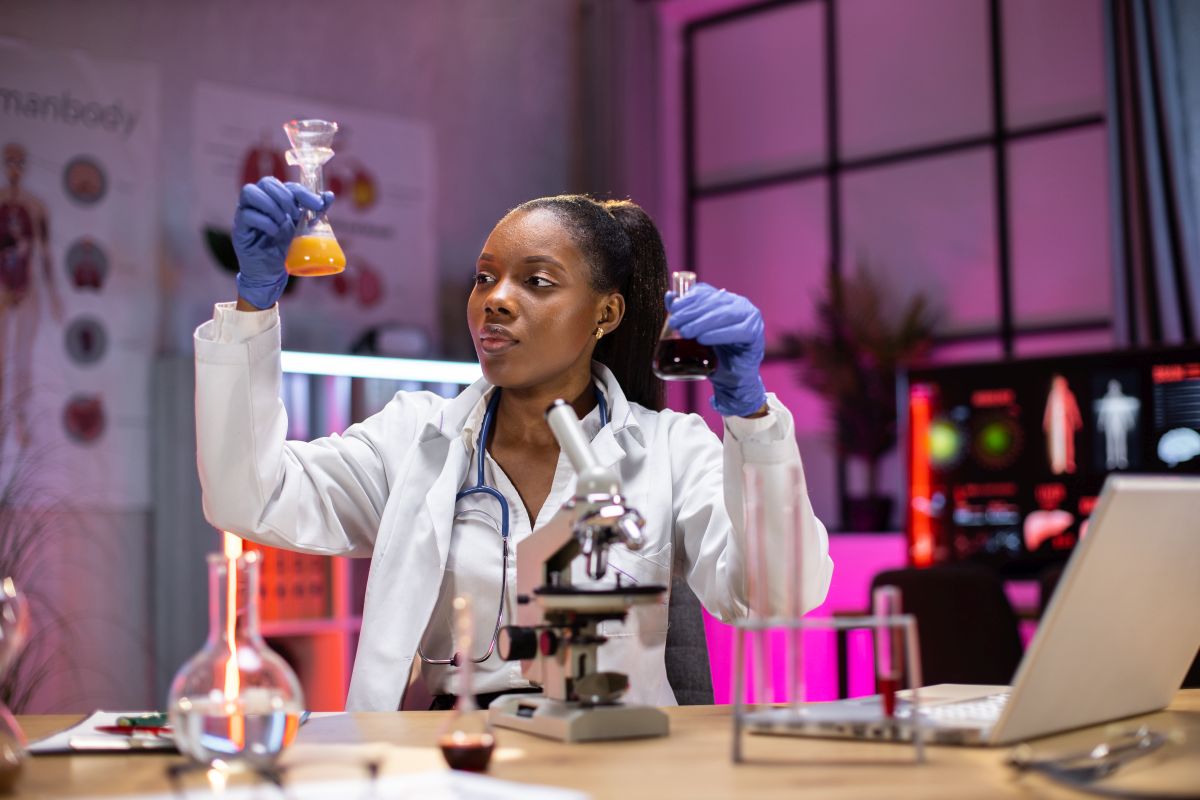
Casantaro and his colleagues suggest that in order to maintain surveillance science journalism in the future, journalists should receive specialized training in the field of science, news organizations should have their funding sources expanded, and support for reporters and editors should be strengthened.
They also argue that it is important to strengthen accountability at the researcher, academic institution, and government levels, and to make scientific data and discoveries more transparent and accessible. Science media outlet ScienceAlert agreed with this opinion, stating, 'Ultimately, much of the research is funded by public money.'
Related Posts:




in Science, Posted by log1h_ik