After a 3-year durability test of a large number of microSD cards, which manufacturers were excellent and which were disappointing?
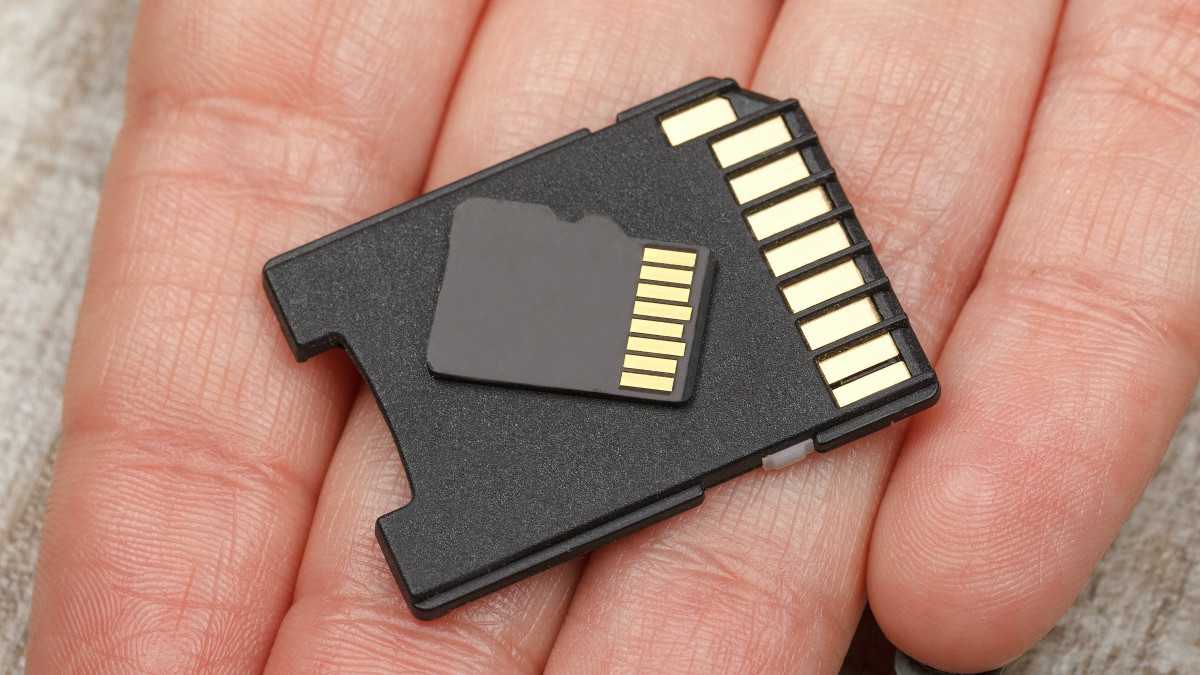
microSD cards are used to store important data in devices like game consoles and cameras, so their durability is a major factor in the purchase decision. Technology enthusiast Matt Cole has reported the results of his microSD card durability tests, which he has been conducting for three years.
I've been doing testing on microSD endurance cards for the last 3 years. Here's what I've found.
by
u/mikaey00 in
raspberry_pi
MicroSD card torture test writes 133 petabytes of data across 351 cards over three years — cards tested to failure reveal SanDisk as the outlier with 6 failures of the 7 tested | Tom's Hardware
https://www.tomshardware.com/pc-components/microsd-cards/microsd-card-testing-database-celebrates-third-anniversary-with-133-petabytes-of-data-written-across-4-6-million-cycles-hundreds-of-cards-tested-to-failure-reveal-sandisk-as-the-outlier-with-6-failures-of-the-7-tested
Cole said that one day he wondered how durable microSD cards, which are widely used in single-board computers and cameras, really are. Opinions varied; some said that 'the latest flash memory should be usable virtually forever,' while others said that 'it should last at least a million write/erase cycles,' and still others said that 'it will only last a few thousand write/erase cycles.' However, after researching, he couldn't find any empirical data on the durability of microSD cards, so he started his own durability tests on a large number of microSD cards, as he stated in a report a year ago .
As of the time of writing, Mr. Cole owns a total of 351 microSD cards across 52 different brands and 111 models, and has been conducting durability tests since 2023, repeatedly writing, verifying, and erasing data. He says that 177 have already been tested until they failed, 107 are currently being tested, and the remaining 67 are waiting for a free slot in the card reader.
microSD cards come in a variety of capacities, from 128MB to 256GB. There are 163 branded cards, 91 unbranded cards, and 30 counterfeit cards. The total amount of data written to them so far is 133 PB (petabytes) , and the total number of write, verify, and erase cycles reaches 4.6 million.
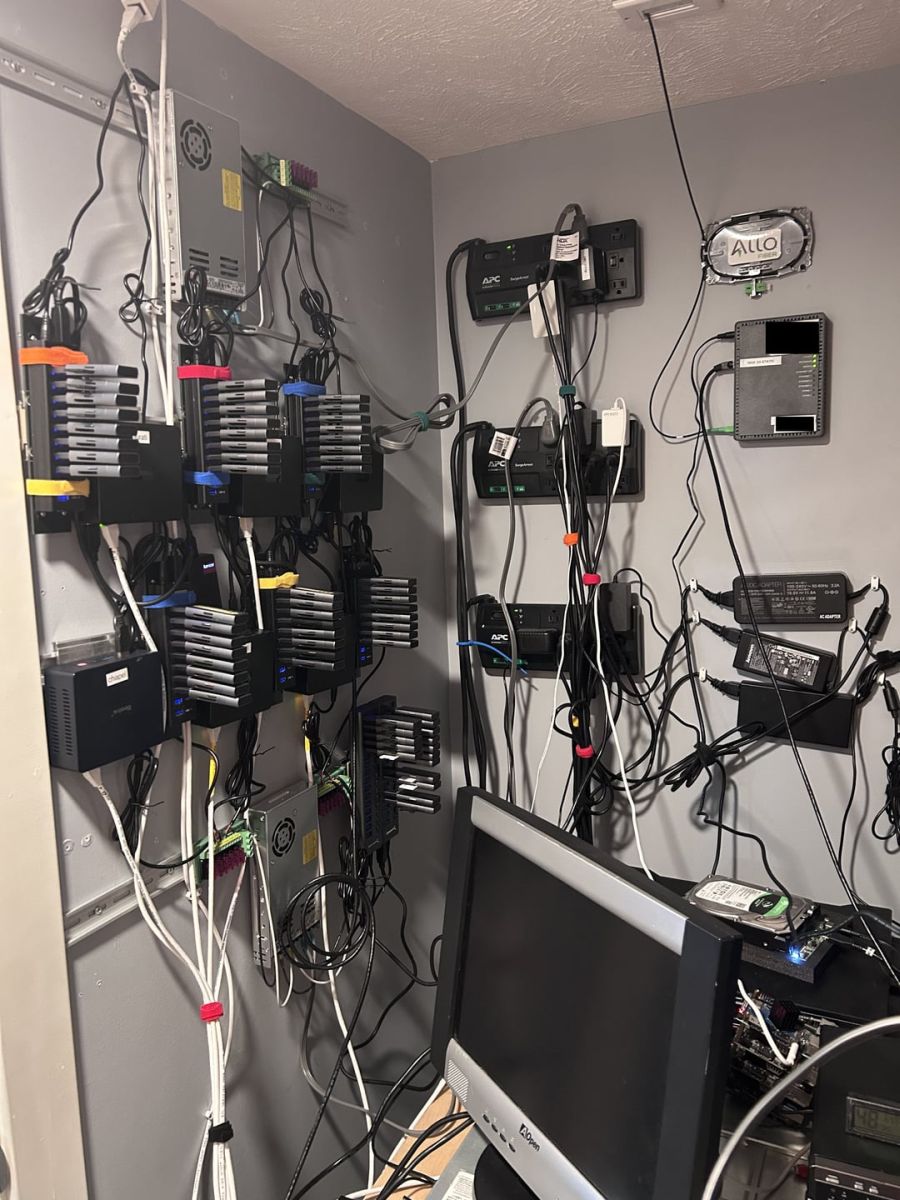
The following photos show the microSD card durability test equipment actually built by Mr. Cole. A microSD card is considered to have failed if it 'stopped working completely,' 'became read-only,' or 'had verification errors in 50% of the sectors on the card.'
Cole categorized microSD cards into three types: general 'consumer products,' 'high-durability products' (labeled as highly durable), and 'industrial products' (labeled or named as industrial-grade). He reported on which manufacturers' microSD cards performed well and which ones were disappointing. While some of the disappointing products were from completely unknown or unbranded manufacturers, this report focuses on relatively well-known brands.
◆Consumer products
Consumer-grade microSD cards have so far averaged around 10,000 write-verify-erase cycles.
On the other hand, manufacturers that have disappointed have included onn, ADATA, Gigastone, Micro Center, and Silicon Power (SP). The worst of these was onn's microSD card, which only lasted 1400 write-verify-erase cycles. Also, unfortunately, microSD cards from major manufacturer SanDisk have reached the end of their lifespan earlier than many other brands, with an average of 9404 write-verify-erase cycles so far.
◆Highly durable products
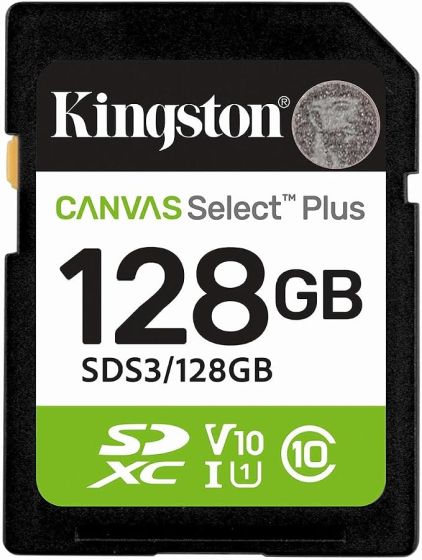
While 237 microSD cards were classified as consumer products, only 30 were classified as high-durability products. Mr. Cole also pointed out that even those advertised as high-durability were not significantly more durable than consumer products. Among the manufacturers that performed well were
◆ Industrial Products
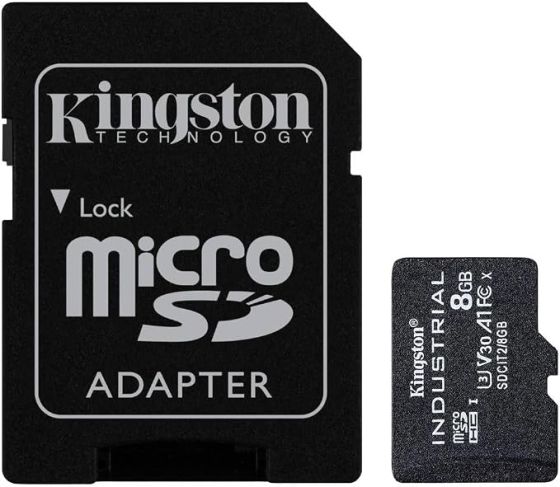
Industrial microSD cards are extremely expensive, so Mr. Cole only tested 15 of them. Nevertheless, they are certainly durable, with the tested products surviving an average of approximately 122,000 write-verify-erase cycles. The Kingston Industrial 8GB stood out, withstanding approximately 141,600 cycles. In contrast, SanDisk's industrial-grade microSD cards were reported to fail after an average of about 20,000 cycles.
Related Posts:




in Hardware, Posted by log1h_ik