How do these massive 'kelp forests' grow in ocean areas where sunlight barely reaches?
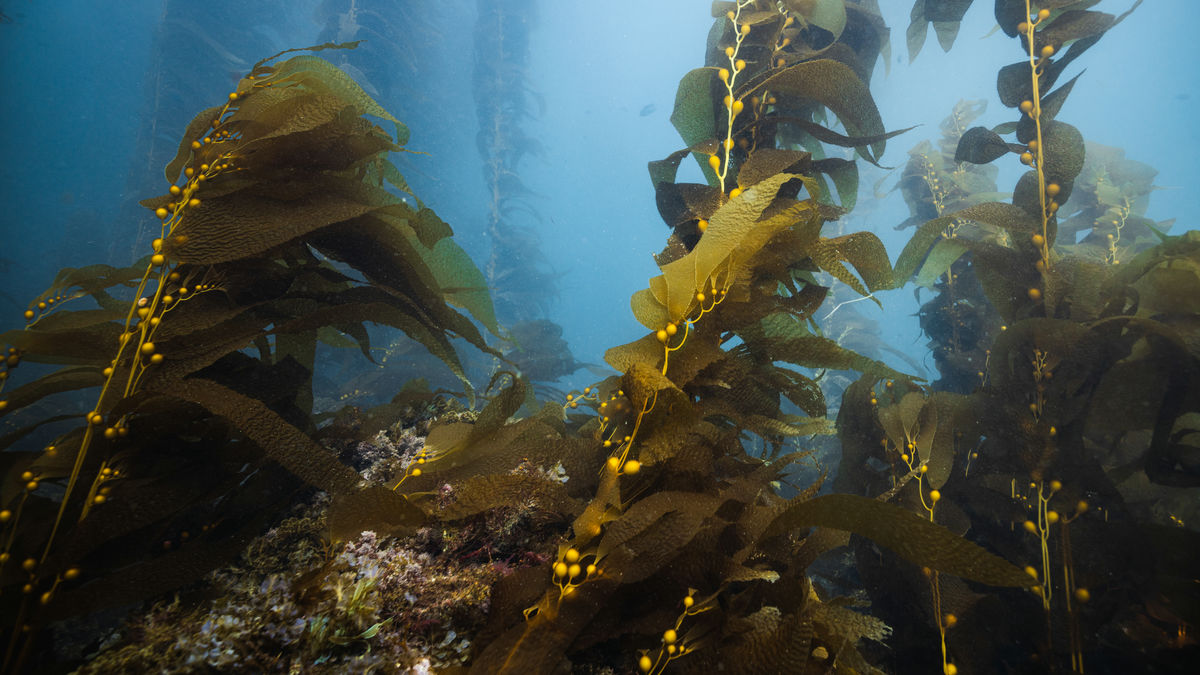
Seaweed such as kelp grows through photosynthesis, and vast kelp forests exist even in the deep sea at a depth of 90 meters, where sunlight hardly reaches. The educational YouTube channel TED-Ed explains the mystery of kelp growing in the deep sea.
The development of scuba diving technology in the Mediterranean Sea in the mid-20th century allowed humanity to explore the previously inaccessible, dimly lit ocean areas known as the 'mesophotic zone,' at depths of 30 to 150 meters. There, researchers discovered 'kelp forests' —dense clusters of giant kelp exceeding 20 meters in height—at a depth of approximately 90 meters, where sunlight penetrates only 0.1% of the Earth's surface.

In the late 19th century, there were reports of 'giant kelp being pulled up from the deep sea,' but following discoveries in the Mediterranean, similar kelp forests have since been found in various parts of the world, including Brazil, Australia, North America, and the Philippine Sea. Some reports even indicate that the kelp was collected from depths of around 150 meters. Plants that perform photosynthesis require sufficient sunlight, but in the deep sea, an environment where giant seaweed should not normally be able to grow, kelp colonies have grown to the same size as, or even larger than, kelp found in shallow waters. Researchers are still investigating the reason for this, but the exact cause remains unknown.

One leading theory suggests that deep-sea kelp has higher photosynthetic efficiency than shallow-water kelp, and that it may have increased the surface area of its leaves to efficiently utilize even faint light while reducing energy consumption through respiration. However, past studies have pointed out that this alone cannot fully explain the energy required for growth, even under conditions of maximum sunlight.
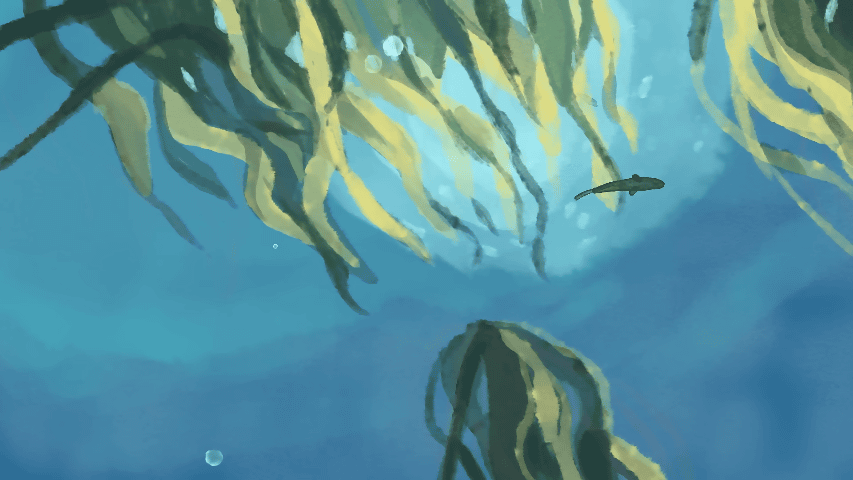
Another study suggests that the main reason is that deep-sea kelp has developed the ability to conserve energy. Photosynthesis requires sunlight, water, nutrients, and carbon dioxide (CO2). In the deep sea, sunlight is scarce, but water, nutrients, and CO2 are abundant. Most of the CO2 in the ocean exists in the form of
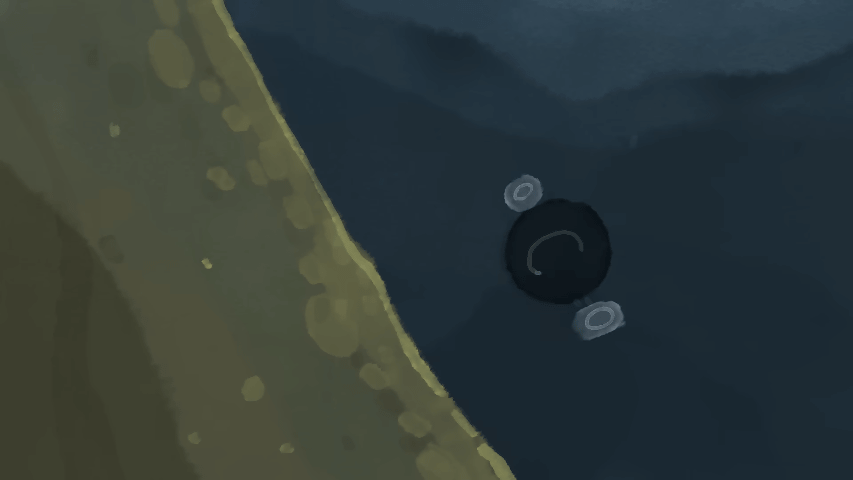
Furthermore, deep-sea kelp doesn't need to produce the 'sunscreen-like molecules' that shallow-water plants need to protect themselves from strong sunlight, thus saving energy. It's also known that in winter they reduce their respiration rate and survive by using the carbon they stored during the summer.

Kelp forests play an important role in ecosystems. Because the deep sea experiences little temperature fluctuation, they function as refuge when shallow waters become hot due to ocean heat waves, and kelp forests serve as habitats for a variety of organisms. Furthermore, since kelp absorbs CO2 from the atmosphere as it grows, it may also contribute to mitigating climate change. It is thought that kelp fragments floating in the ocean continue to absorb CO2 through photosynthesis, but research into their impact on the carbon cycle is still ongoing.

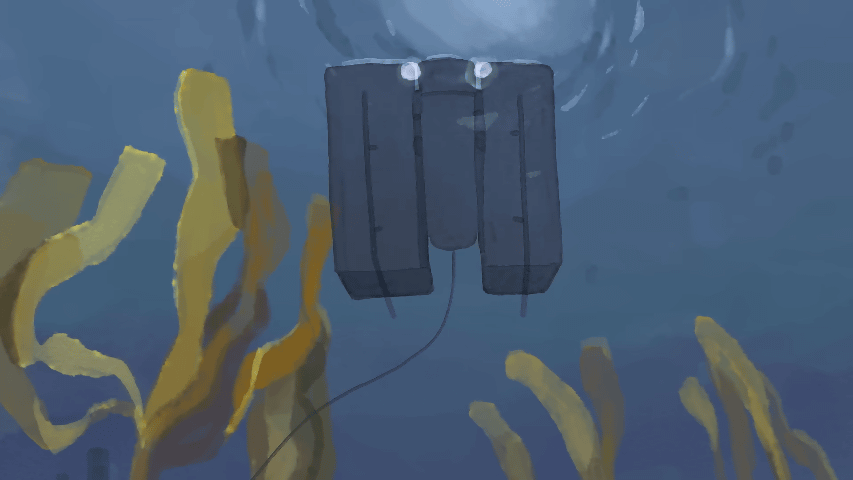
Much remains unknown about kelp forests, and because most of them cannot be observed by satellite, it is not even clear how much of the seabed they cover. Researchers are using ROVs (remotely operated vehicles) to conduct surveys, and new kelp forests have been discovered off the coast of the Galapagos Islands, among other places.
Related Posts: