The EU is considering building a system that uses satellites to detect speeding vehicles and forcibly slow them down.

It has been revealed that the European Commission is considering requiring all new cars sold in the EU to be equipped with a 'device that limits engine output.' This device is described as using satellites to locate the car and forcibly reducing its speed in areas where speed limits are in place.
EU's drive to let satellite technology force your car to slow down to 20mph | Daily Mail Online
The EU Wants To Use Satellites To Automatically Prevent Your Car From Speeding: Report
https://insideevs.com/news/801020/eu-mulling-satellite-speed-limits/
All new cars sold in the EU are required to be equipped with an Intelligent Speed Assist (ISA) system. This system uses cameras, GPS (satellites), and digital maps to identify the speed limit on the road being driven on and warns the driver by sounding an audible alarm or vibrating the steering wheel if the speed limit is exceeded. The initial proposal for ISA included a function to automatically reduce speed, but due to lobbying by automakers, this feature was not made mandatory.
EU mandates 'ISA' (Information Security Measure) system for preventing speeding violations in vehicles - GIGAZINE
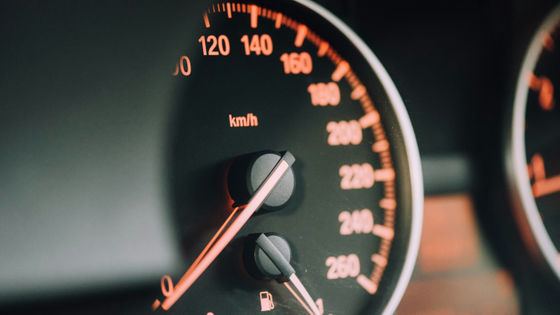
However, according to several industry sources who spoke to the British daily newspaper Daily Mail, the European Commission is considering taking this system a step further and mandating a satellite-based speed limit enforcement system for all new cars sold after 2030. The new system would not only alert drivers when they exceed the speed limit, but would also intervene in the engine, reducing power output to forcibly slow down the vehicle when speeding.
The Daily Mail presents arguments from both sides of the issue.
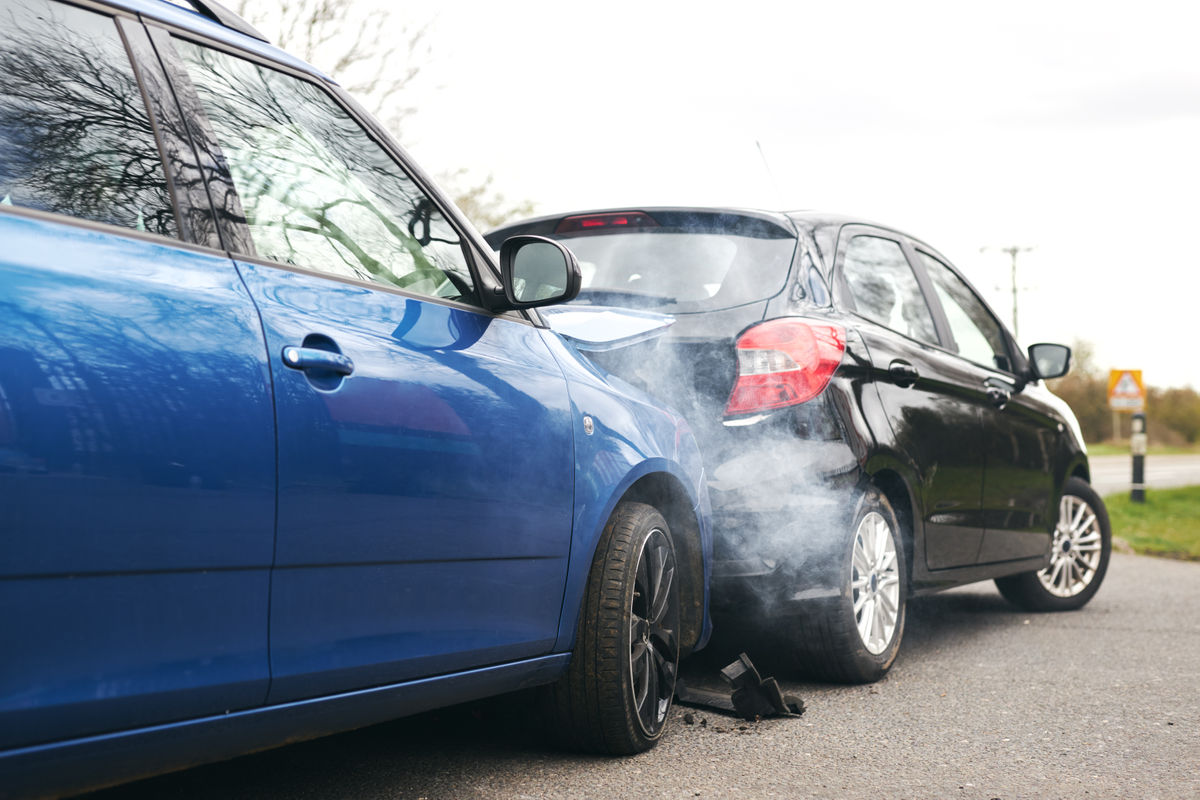
Claire Corkerley, a proponent of speed limit reductions, shared her story of how her parents were killed when a large SUV traveling at 140 km/h hit them. She stated, 'I welcome new technologies that encourage drivers to obey speed limits and reduce speed-related collisions. Speeding is known to be the most common cause of fatal accidents. Statistics support this, showing that simply lowering the average vehicle speed by just 1 mile per hour (about 1.6 km/h) would reduce traffic accidents and fatalities by 6%. Even if you are lucky enough to avoid an accident, a reduction in collisions would lead to lower insurance premiums, which would benefit all drivers.'
Opponent Richard Holden, a Conservative MP, commented, 'A system that automatically slows down may not provide acceleration when needed, and relying entirely on new technology is risky. In principle, cars in Britain, which has left the EU, should not be equipped with systems promoted by the EU, but car manufacturers are strongly pushing for their introduction in Britain, and under a Labour government that clings to overprotective nationalism, manufacturers will easily comply with that demand.'
Furthermore, Thatcham Research, an automotive risk information agency, has pointed out flaws in existing ISA (Information Assessment System) evaluation methods through field testing. According to Thatcham Research, while ISA in EU regulations is evaluated based on mileage, when re-evaluated based on actual speed limits, the accuracy of the lowest-performing vehicles dropped from 91.3% to 74.3%.
Thatcham Research has also found cars displaying impossible speed limits of 5 miles per hour (approximately 8 km/h) and 100 miles per hour (approximately 160 km/h), warning that 'repeated errors like these not only undermine driver confidence but can also cause unintended sudden braking or acceleration if linked to the vehicle's cruise control.'
ISAs are implemented in the EU and in some US states.
A bill has been passed to install 'Intelligent Speed Assist (ISA)' in cars of speeders to physically prevent them from exceeding the speed limit - GIGAZINE
Related Posts:


in Vehicle, Posted by log1p_kr