Three tips for improving sleep by maintaining a balance of gut bacteria
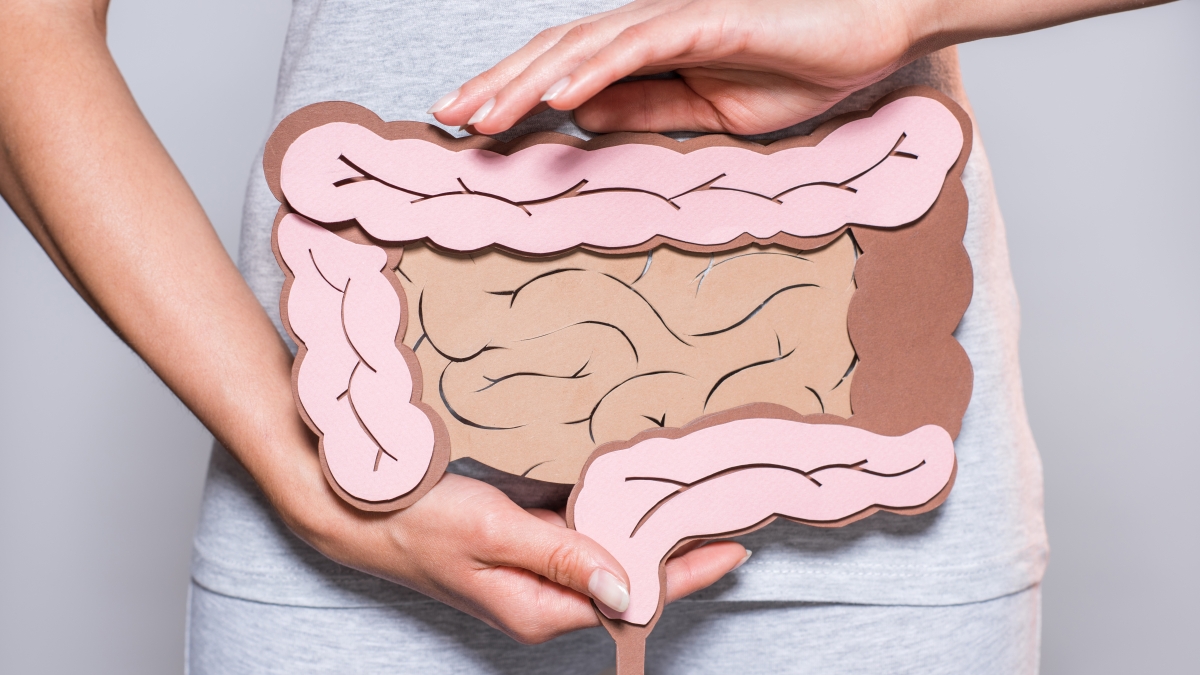
When people have trouble sleeping, they often re-examine their sleep duration, bedroom environment, and whether they use their smartphones before bed. However, the balance of microorganisms, particularly gut bacteria, also plays a role in good sleep. Sara Useda Gutierrez and Manuel Leyris Rojas, who study psychobiology at the University of Nebrija in Madrid, Spain, explain the relationship between sleep and gut microbiota and three tips you can be mindful of in your daily life.
A good night's sleep begins with healthy gut bacteria. Here's how to look after yours
https://theconversation.com/a-good-nights-sleep-begins-with-healthy-gut-bacteria-heres-how-to-look-after-yours-283947

Sleep, which accounts for about one-third of our lives, is an essential activity for good health. According to Gutierrez et al., even while we sleep, tens of trillions of microorganisms in our bodies are active according to their own rhythms, and these microbial communities influence not only digestion and immune function but also sleep. The relationship between gut microbiota and sleep is not one-way; while gut microbiota influences sleep, getting good sleep is also important for maintaining a diverse and balanced gut microbiota.
According to Gutierrez et al., in a healthy gut microbiota, 'short-chain fatty acids' are produced when gut bacteria break down dietary fiber and other substances. Butyrate, one type of short-chain fatty acid, is associated with the function of the hypothalamic-pituitary-adrenal axis, a neuroendocrine pathway that suppresses inflammation in the body and regulates stress responses. When this pathway functions properly, it is easier to lower nocturnal levels of cortisol , which increases in secretion during stress responses, potentially leading to a state where the body can rest more easily, resulting in deeper sleep and fewer awakenings during the night.
Gutierrez and his colleagues state that there is no such thing as a 'perfect microbial community.' Since the gut microbiome differs from person to person, it's important to maintain a functional balance rather than aiming for a specific ideal. Even if the balance is disrupted, it can be improved by gradually changing lifestyle habits.

Therefore, Gutierrez et al. suggest the following three points as things you can be mindful of in your daily life to maintain a balance between sleep and gut microbiota:
The first tip is to 'eat a diet rich in dietary fiber .' Vegetables, fruits, legumes, and whole grains nourish beneficial bacteria in the gut, and fermented foods such as yogurt, kefir, sauerkraut, and kimchi also support gut bacteria. Gutierrez et al. explain that the Mediterranean diet , which focuses on vegetables, fruits, whole grains, legumes, and nuts, as well as olive oil and seafood, is particularly beneficial for the diversity of gut microbiota.
On the other hand, reducing ultra-processed foods , which are industrially produced foods that use many additives and processed ingredients, is also said to help maintain the balance of the gut microbiota.

The second point is ' maintaining a regular sleep-wake cycle .' In particular, exposure to natural light in the morning is said to be an important signal for regulating the circadian rhythm . Also, reducing the amount of time spent exposed to strong artificial light from smartphones and PCs at night helps improve sleep quality and maintain a healthy sleep-wake cycle.

Sleep deprivation can also affect the gut microbiota. According to Gutierrez et al., even a few days of sleep deprivation can alter the composition of the gut microbiota, increase inflammatory responses, and raise 'intestinal permeability,' which makes it easier for substances to pass through the intestinal wall. Furthermore, sleep deprivation can affect the body's response to glucose the following day, as well as cognitive abilities.
The third tip is to 'exercise daily and manage stress .' Gutierrez and his colleagues explain that regular exercise increases the diversity of gut microbiota and can lead to better sleep. However, it doesn't have to be intense training; walking, cycling, and swimming are also beneficial. In addition, conscious breathing, yoga, meditation, and mindfulness, as well as maintaining social connections by talking to trusted family and friends, and taking walks in nature, may also help reduce stress.

Gutierrez and his colleagues explain that reducing stress is beneficial not only for mental health but also for maintaining the balance of the gut microbiome. Getting enough sleep not only allows the body to rest but also helps maintain the balance of the micro-ecosystem within the body, and that balance affects the quality of sleep.
Related Posts:







in Science, Posted by log1b_ok