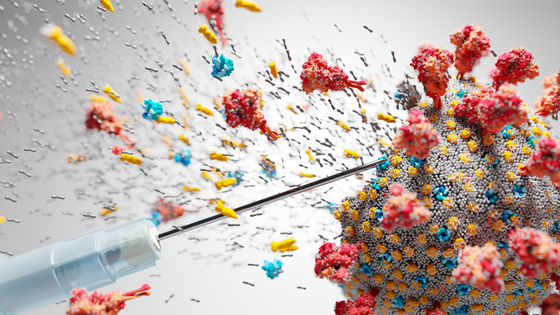
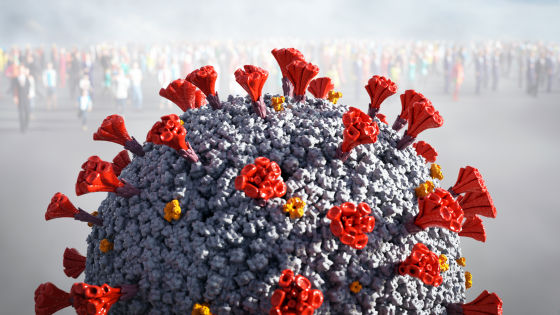
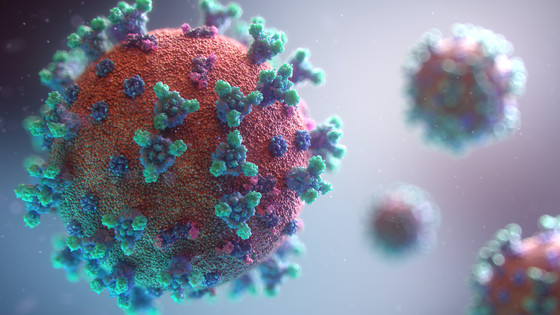
Researchers at Cambridge University have announced they have conducted the first human trials of an AI-designed 'universal vaccine.'

Researchers at the University of Cambridge have developed a method using AI to design vaccines that are effective against thousands of variants of viruses, including Ebola and coronavirus. Human clinical trials with this vaccine have already begun.
A phase I, needle free, dose escalation clinical trial of pEVAC-PS, a candidate pan-Sarbecovirus Vaccine - Journal of Infection
New 'universal vaccine' technology could protect us from future virus outbreaks | University of Cambridge
https://www.cam.ac.uk/research/news/new-universal-vaccine-technology-could-protect-us-from-future-virus-outbreaks

Current vaccines, such as seasonal influenza vaccines and existing COVID-19 vaccines, use antigens derived from specific virus strains or variants that have already been identified in humans. However, because viruses are constantly mutating, these conventional vaccines become less effective by the time they are manufactured and distributed, and need to be updated annually to keep up with the changes.
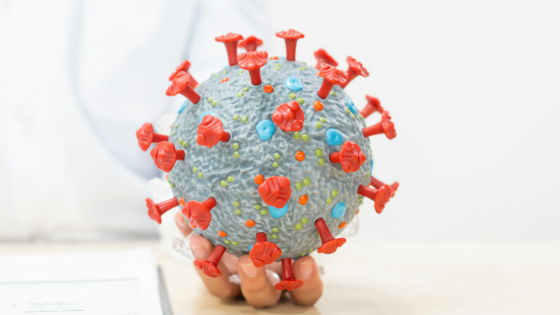
Researchers at the University of Cambridge used AI to design a 'superantigen' containing antigenic features common to the entire virus population, using genetic sequence data of all coronavirus-related species recorded worldwide. Antigens are the active ingredients in vaccines, stimulating the body's immune system to trigger a protective immune response and train the body to fight future infections. Because this superantigen contains antigenic features common to coronavirus-related species, it is expected to provide sustained protection against existing variants as well as future variants yet to be seen.

Animal studies had confirmed that this vaccine produced a strong immune response against various coronaviruses.
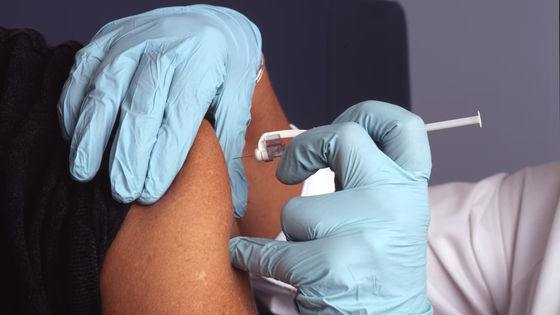
A new human clinical trial involving 39 healthy volunteers confirmed the vaccine's safety and demonstrated its ability to induce an immune response against multiple coronaviruses. The trial successfully administered the vaccine using a microjet technique, which involves spraying the liquid onto the skin, leading researchers to state that it 'is useful for people who are afraid of needles or in environments where conventional injections are difficult.'
Vaccines developed using this method have the potential to protect people from the threat of new viruses that may emerge in the future. Furthermore, a key feature of this technology is that it reduces the need for frequent vaccine redesign, one of the fundamental limitations of current vaccines. This marks the first time that a vaccine whose active ingredient was entirely designed using computer simulations has been tested in humans.
Professor Jonathan Heaney of the Department of Virology and Zoonosis at the University of Cambridge's School of Veterinary Medicine stated, 'We have shifted vaccine development from a reactive approach to a proactive one. Our vaccine will continue to provide protection even after the virus mutates into new strains.'
Further development is needed before it can be used for general purposes, and the next large-scale Phase 2 trial will evaluate its ability to induce immune responses in a broader and more diverse population.
Related Posts: