Who is Dihya, the legendary queen from North Africa?
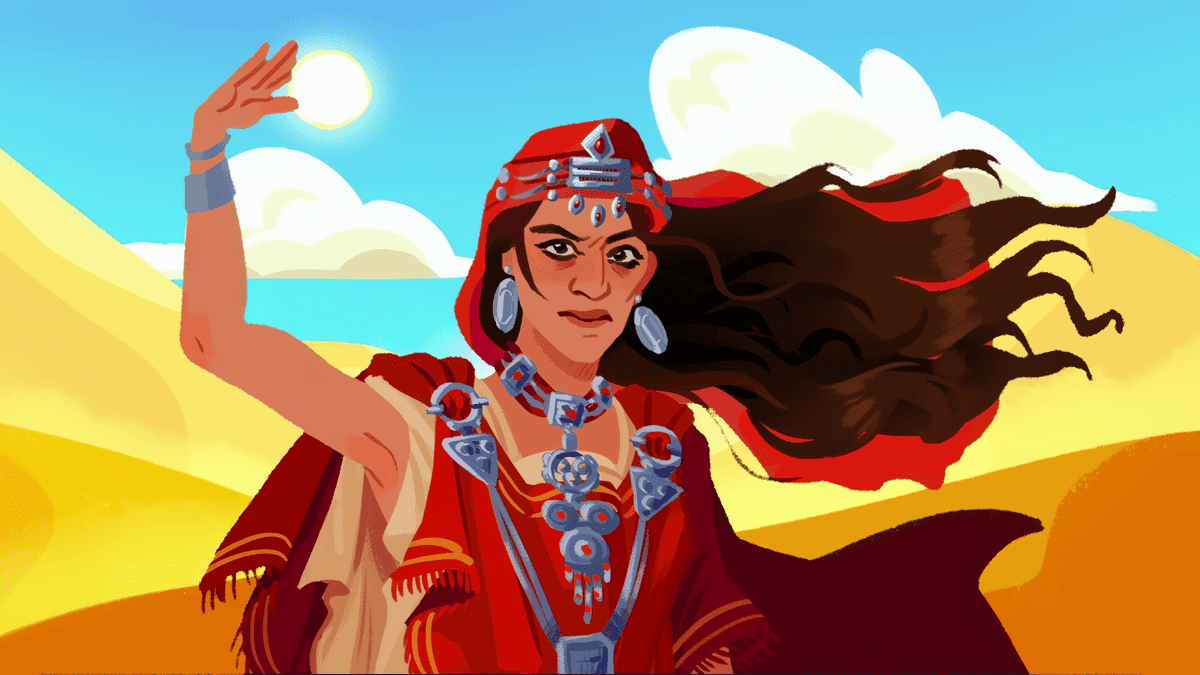
In present-day North Africa, primarily Algeria, there is a legend of Queen
Her Visions Defeated an Army - YouTube
In the 7th century, the coastal region corresponding to present-day Tunisia and eastern Algeria was under the rule of the Byzantine Empire, which governed from the city of Carthage. However, the vast inland area extending to the Atlantic Ocean belonged to the people the Byzantines called Moors, and later the Arabs called Berbers. This name is thought to derive from the Greek word 'barbaroi' (foreigner), and today some of their descendants consider it a derogatory term, preferring instead the designation 'Imazighen,' meaning 'free people.' These groups have lived in North Africa for thousands of years, often united only by a common language.
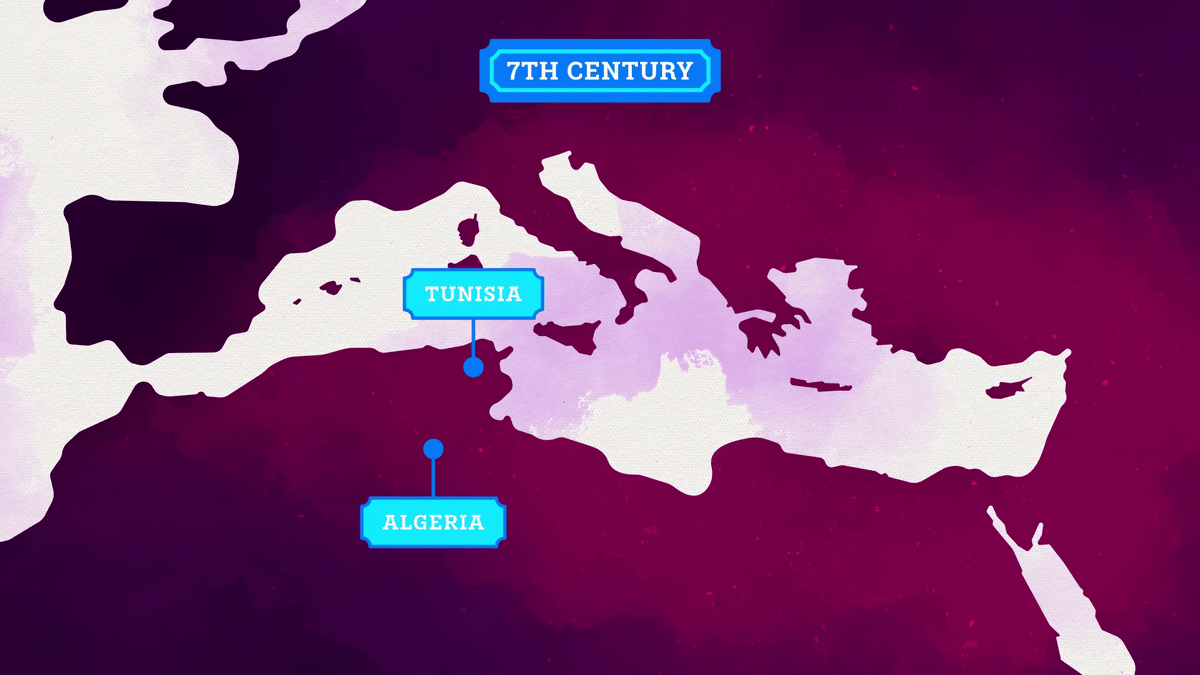
In ancient times, parts of their kingdoms were absorbed into the Roman Empire, and many people integrated into the diverse Roman-African societies. However, after the Western Roman Empire collapsed in the 5th century and the Byzantine Empire was only able to recapture a small portion of its territory in 534, the empire's influence slowly declined.
Therefore, two centuries later, the Imagine forces rose again. The chieftains ruled small kingdoms based in old Roman cities, while others controlled the frontier fortresses of the Byzantine Empire. Dozens of independent tribes migrated with their livestock to oases in the Sahara Desert, or settled on steep cliffs to avoid being controlled by anyone.
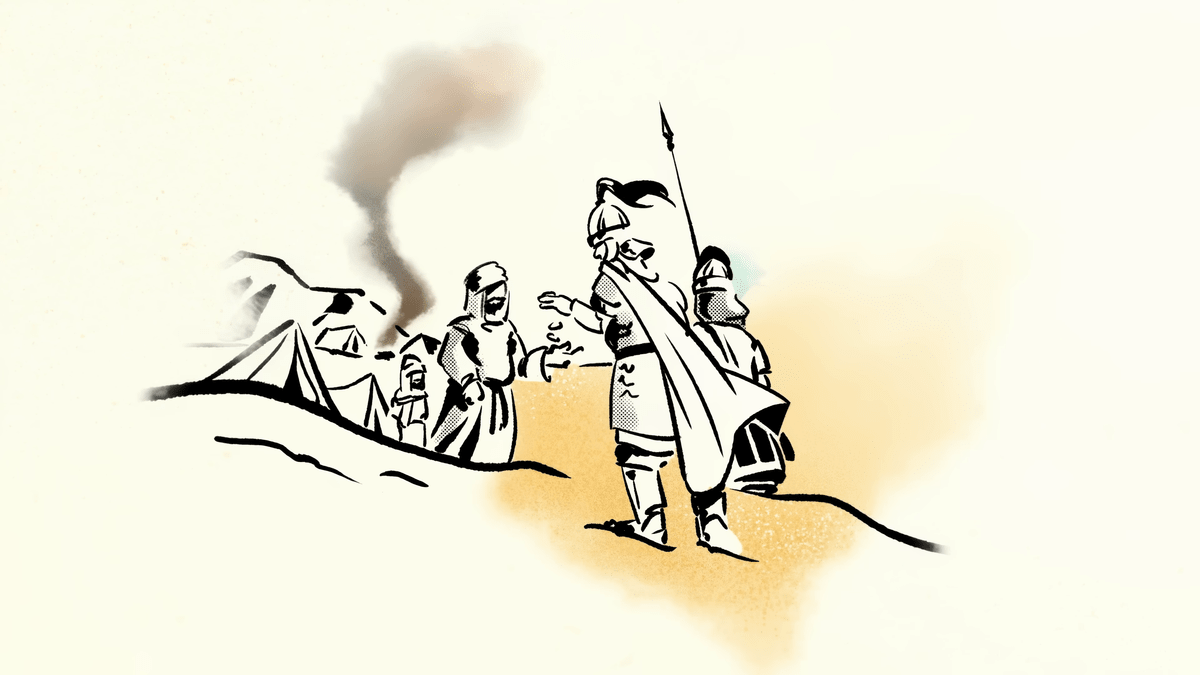
One of these villages, in the Aures Mountains of Algeria, was home to Dihiya. The Arabs, who later became her enemies, called her 'Al-Qahina,' meaning 'the sorceress.' However, her life is shrouded in mystery, as her origins are only known through stories passed down around desert campfires.
When discussing Dihiyah, the presence of Islam is indispensable.
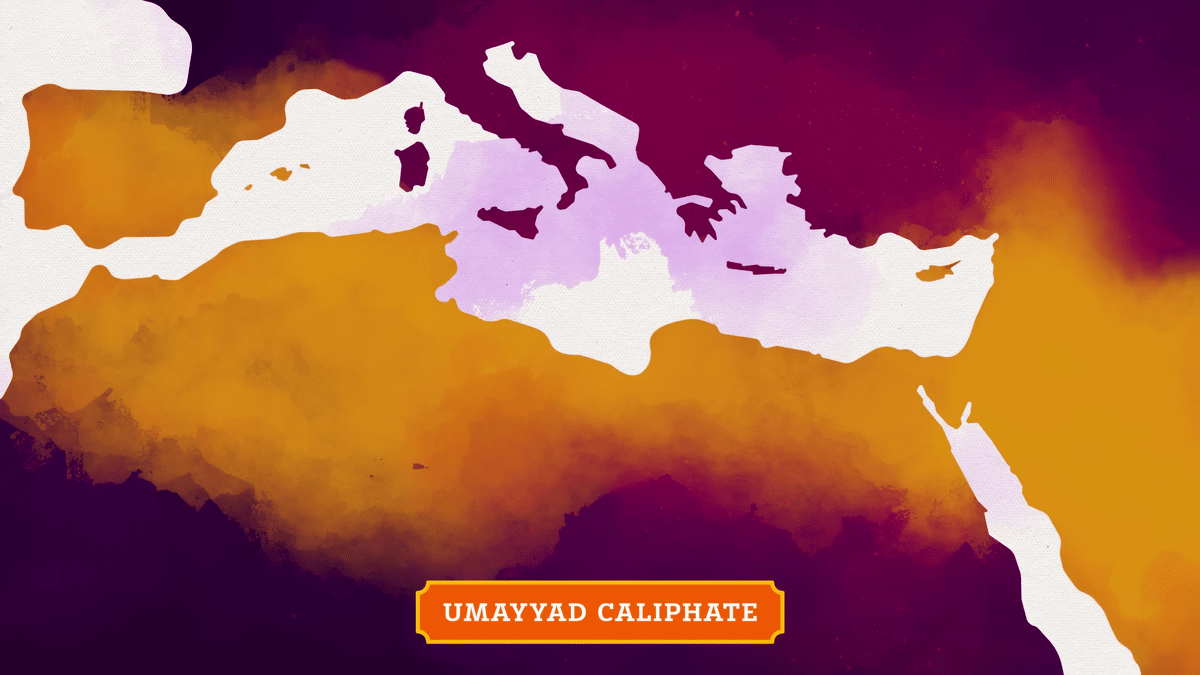
The Prophet Muhammad, the religious and political leader of Islam, died in 632, but his successors rapidly spread his faith. Within just 10 years, the army of the Caliphate, the state ruled by his successors, destroyed the Sasanian Empire of Persia, seized the Levant and Egypt from the Byzantine Empire, and humiliated the world's two greatest powers. After a bloody civil war ended in 661, the Umayyad Caliphate seized control of the country.
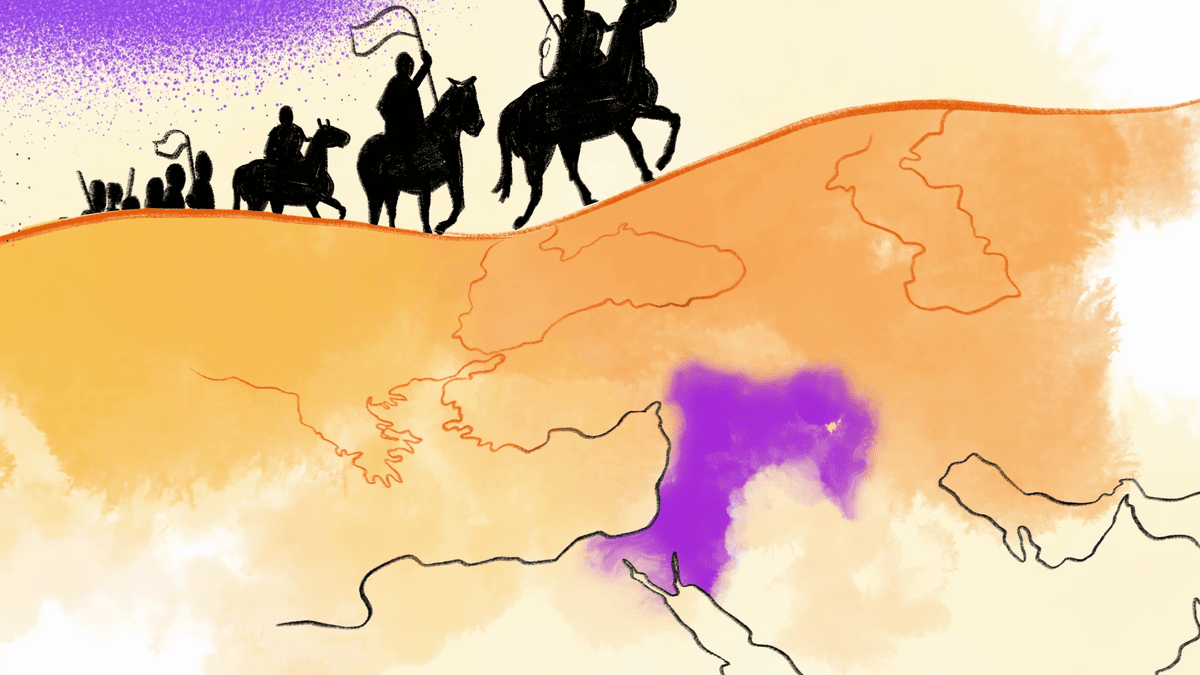
To inflict a fatal blow on the Byzantine Empire, the Caliphate launched wars on multiple fronts. Some Imagine tribes sided with the Caliphate early on, but others allied with the Byzantine Empire and fiercely resisted.
Internal conflicts delayed the conquest, but in 692, Abd al-Malik, the Caliph of the Umayyad Caliphate, secured control and sought to demonstrate the strength of his empire. Abd al-Malik sent Hassan ibn al-Nu'man al-Ghassani, a member of the Syrian Umayyad elite, to the Maghreb (Northwest Africa) as a new general. Hassan ibn al-Nu'man al-Ghassani, a member of the Syrian Umayyad elite, led 40,000 men westward.
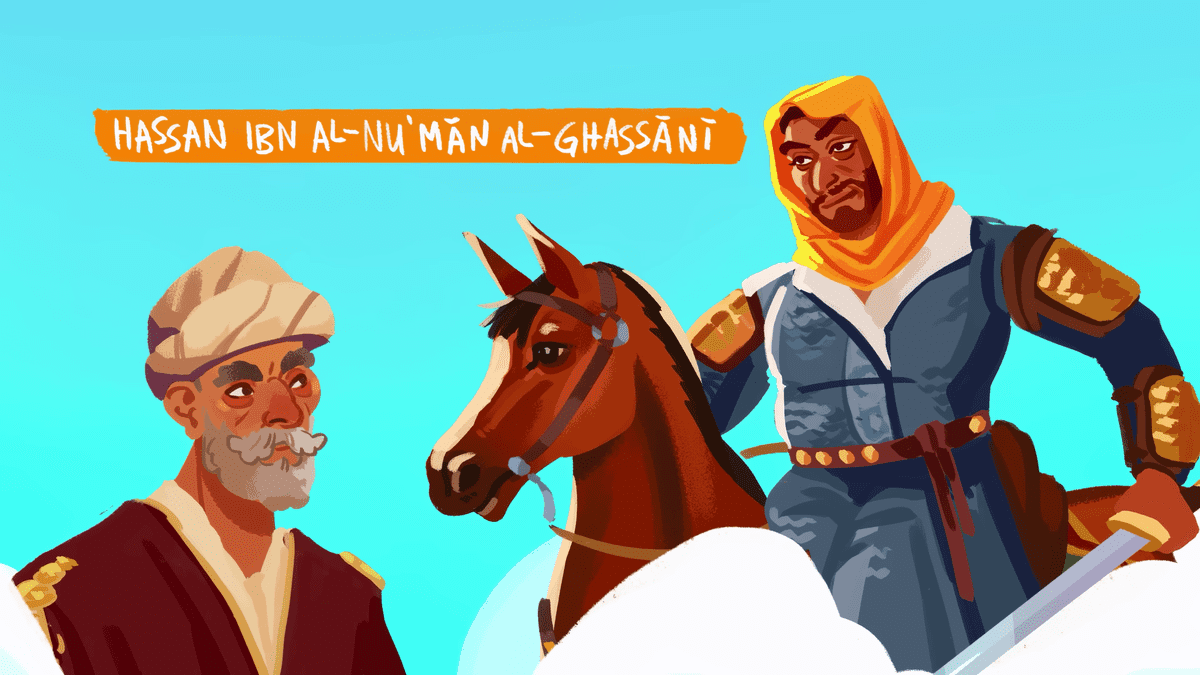
First, General Hassan targeted Carthage, the ancient center of Roman power in North Africa. By the time General Hassan and his men arrived, the Byzantines had fled in terror, and the Umayyad Caliphate achieved a great victory. However, the land beyond was not yet under Umayyad control. So General Hassan asked the local people, 'Who is the most powerful ruler in this land?' But in a world where autonomous tribes and loose confederations were intertwined, it was difficult to determine the true location of power.
The last king to unite parts of Imagine had been killed in a previous Arab invasion. However, at that time, many Imagine had reunited under an unexpected new leader: Dihiya, the warrior queen with immense authority who reigned over the Aures Mountains.
Hassan's army was preparing to invade the land ruled by Dihya. The forces included Persians mounted back-to-back with Coptic Egyptians, and various other ethnic groups. Some were drawn by faith, others by rewards and plunder, and many by the overwhelming success of the Arab Empire. Many Imagine tribes, who had suffered under Byzantine rule, were now also betting on this rising power.
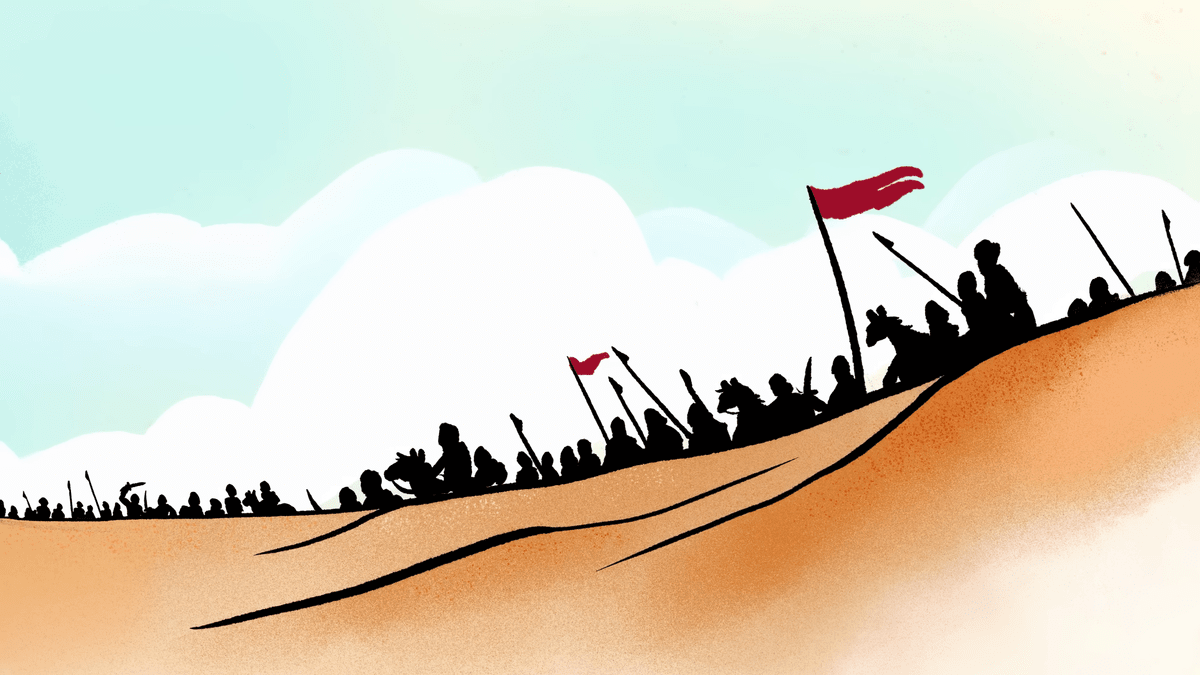
Dihya descended the mountain with a coalition army of thousands of Imagine cavalrymen, and the two forces clashed on the riverbank, presumably near Mesquiana in present-day Algeria. Here Dihya achieved a great victory, and Hassan and his army fled eastward, continuing until they reached present-day Libya.

The humiliated Arabs called this devastated place the 'River of Suffering.' Dihiyah captured 80 prisoners, but released all but Khalid ibn Yazid. Dihiyah adopted Khalid.
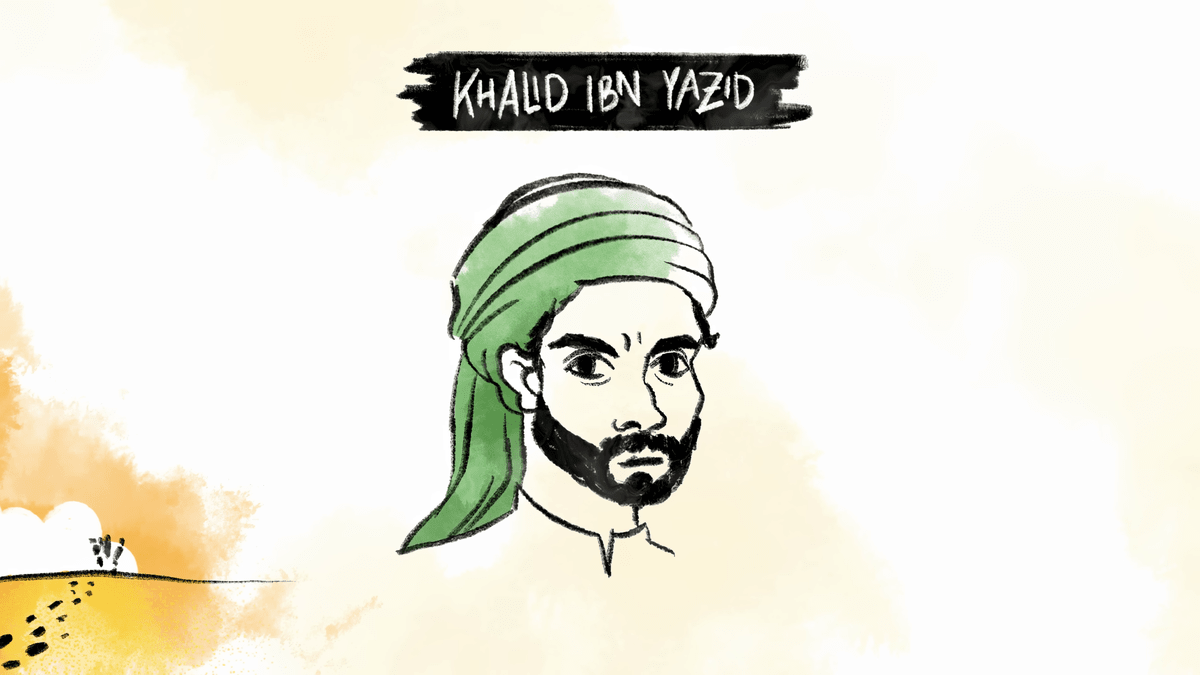
Dihya's victory did more than just delay Hassan. While Hassan awaited orders, the Byzantine Empire recaptured Carthage. And it is said that Dihya's authority was higher than ever, as more and more Imagine tribes gathered under his banner.
About five years later, General Hassan returned to Carthage. The Byzantine fleet fled upon seeing him, and the city was once again empty. It is said that Hassan tore down the city walls, filled the harbor with rubble, and began constructing a new city, Tunis, right next to it, to ensure that the Byzantine Empire could never return. This marked the end of Roman political rule in Africa, which had lasted for over 800 years since their first arrival.
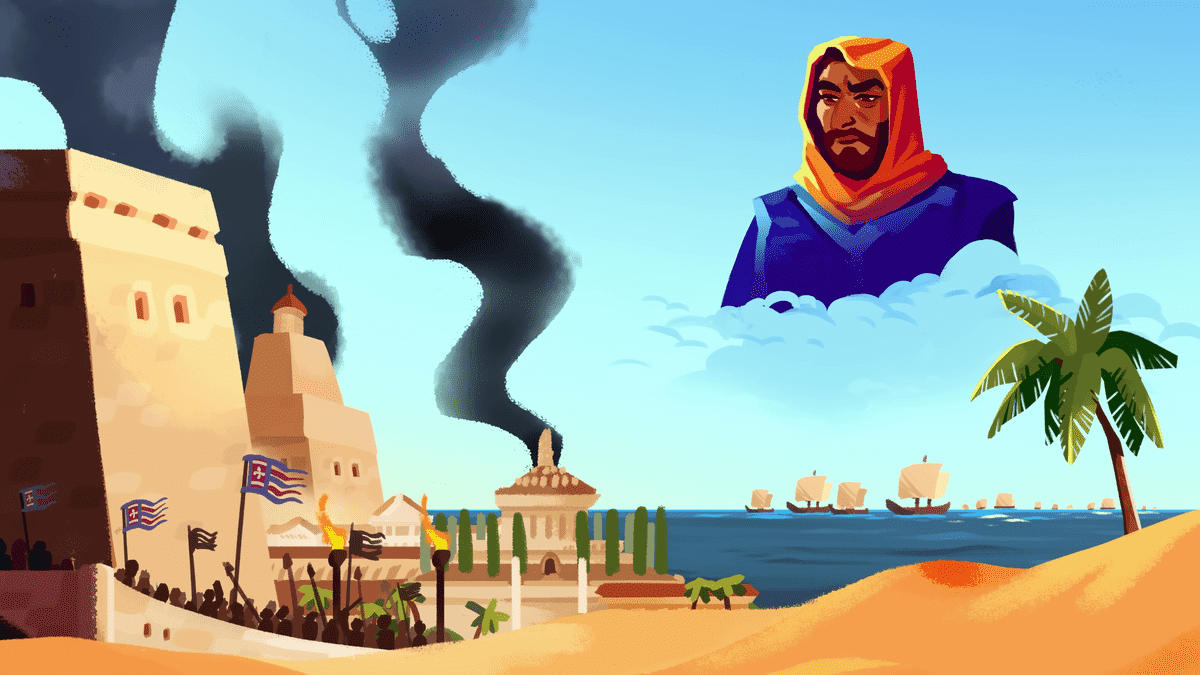
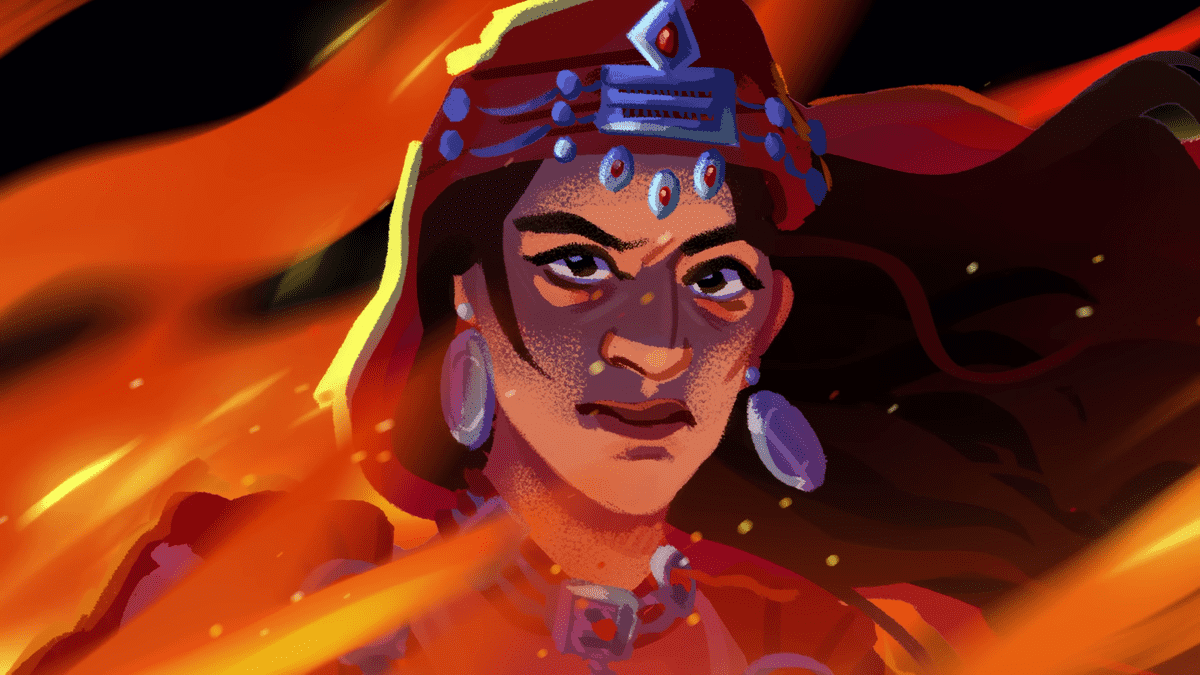
Now, the only person standing between Hassan and the entire Maghreb is Dihiya. Knowing that there is no guarantee that the surrounding tribes will remain united for long, and that the Arabs have been raiding North Africa for a long time, Dihiya believes that 'if the wealth of this region keeps them coming, the only way to stop it is to destroy the wealth itself,' and orders a scorched-earth policy.

Dihiyah burned down orchards and crops, and destroyed towns and fortresses. However, Dihiyah only cared about her enemies and not the people she was supposed to protect. As people watched their homes and harvests engulfed in flames, their respect turned to anger. Records show that thousands of people abandoned Dihiyah and defected to the Arab side, leaving her with only ashes.
However, Kurzgesagt explains, 'The oldest written records concerning Dihiyah were written by Arab historians more than 150 years after her death. They had a motive to portray her as a brutal figure in order to justify the conquest. Some modern historians point out that it was actually the Arabs who carried out the burning and blamed it on Dihiyah. On the other hand, it is also possible that she only destroyed strategically important locations to create a defensive buffer zone.'
In any case, by the time Hassan returned, Dihiya's power had begun to wane, and even worse, the betrayal had extended to her own family. According to legend, Khalid, the Arab captive who had been adopted by Hassan, had been secretly sending information to Hassan for some time. Therefore, when the two armies met again, Hassan was no longer completely unaware.
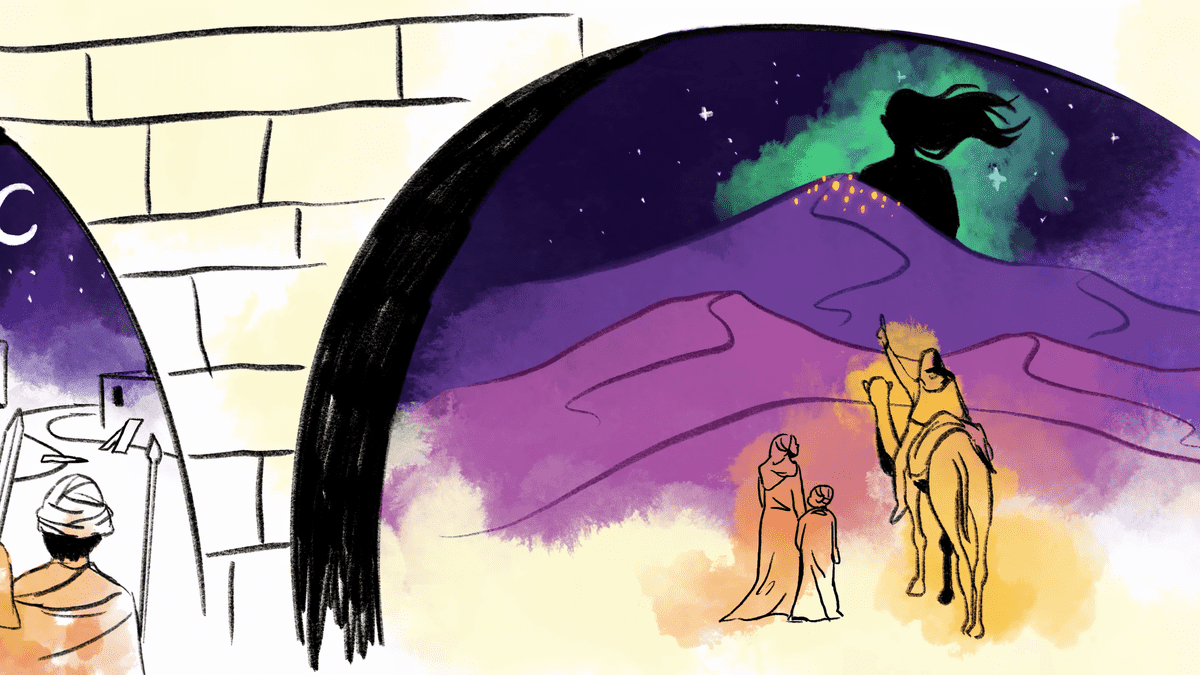
This time, Dihiya's army was defeated, and Hassan drove him to his mountain stronghold. There, according to legend, Dihiya had a vision of his own death, while his sons watched with terrified eyes. Furthermore, Dihiya told Khalid, 'I adopted you for this very day. I am going to die, and I want you to take good care of your two brothers,' and he ordered his sons to go to Hassan, seek peace, and convert to Islam.
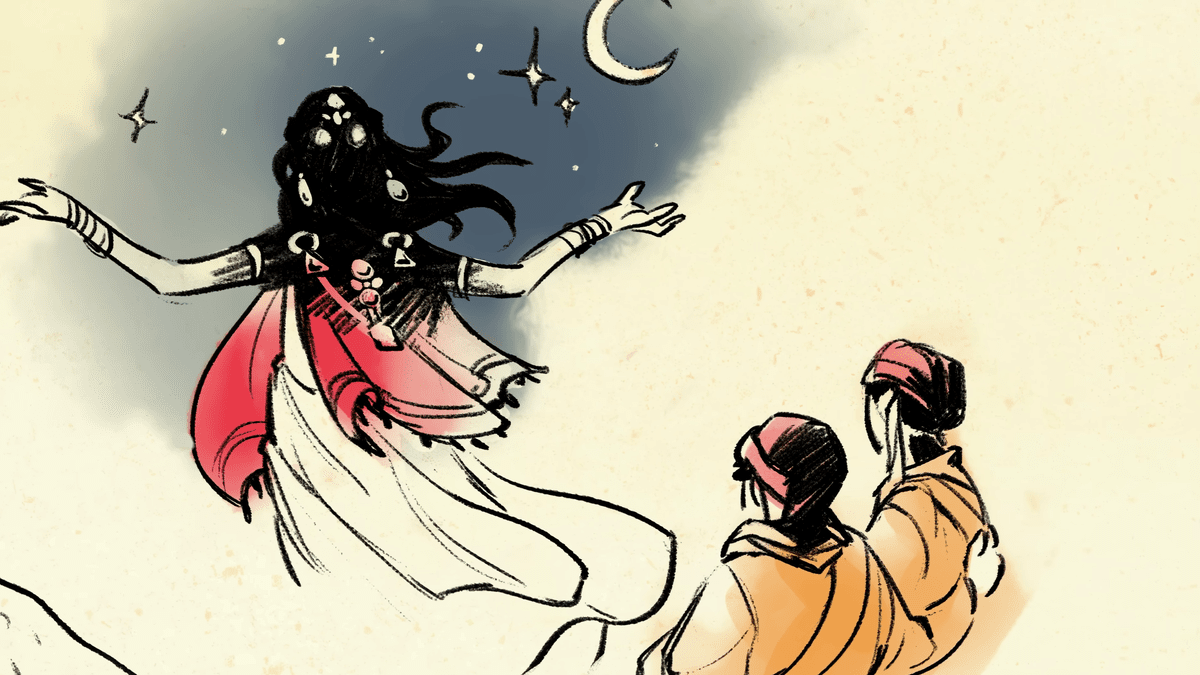
When Hassan's army finally approached, a merciless battle ensued, resulting in heavy losses for both sides. The exact year is unknown, but Dihya was likely killed in the late 690s.
With Dihiyah's departure, the resistance began to crumble. Under Hassan's successor, many Imagine converted to Islam. Hassan and his followers joined the Arab army in large numbers and continued their westward advance. In 711, the allied forces crossed into the Iberian Peninsula, and at its peak around 730, the Umayyad Caliphate extended from Iberia to the Indian border.
However, under the new regime, the Imagine suffered unjust treatment. Twenty years later, a large-scale rebellion broke out, and the Maghreb split into numerous independent Islamic states. This pattern continued. With the arrival of European colonial rule in the 19th century, the tribes of the Aures Mountains repeatedly revolted against the French. The first gunshots of the Algerian War of Independence in 1954 rang out in what was once the territory of the Dihiya.
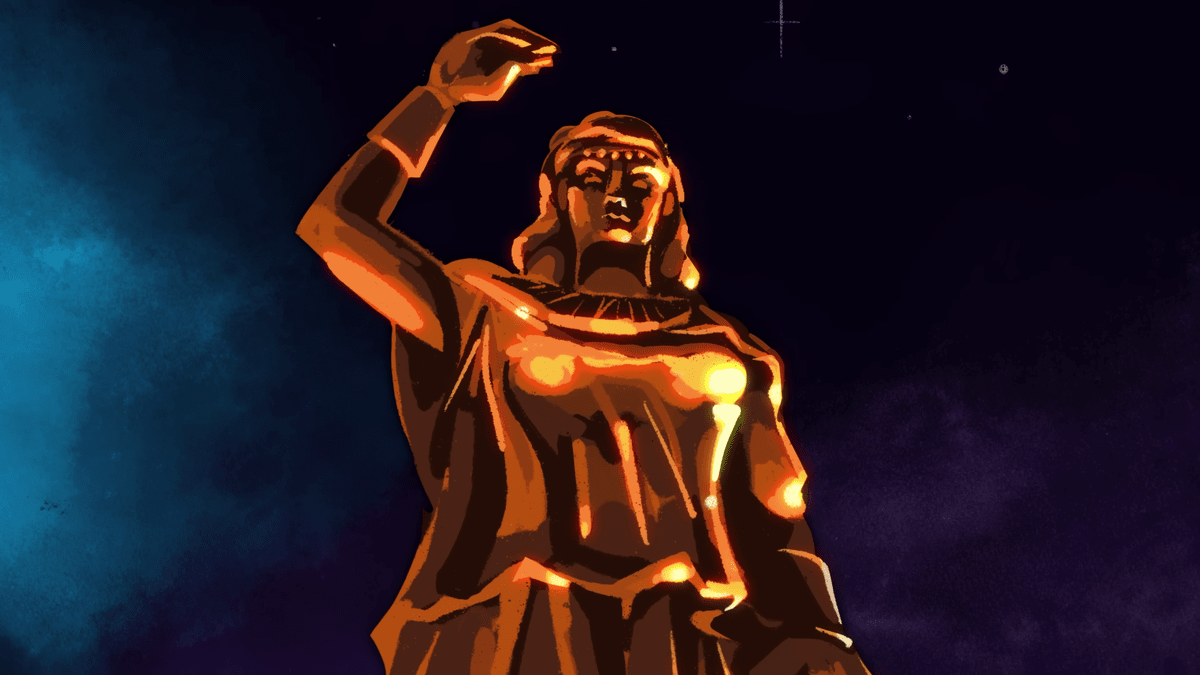
For 1,300 years, Dihiya has remained a mirror reflecting the perspectives of those who tell her stories. Medieval Arab historians portrayed her as a ruthless queen who deserved her just deserts. French colonial writers used her to argue that France was actually saving the Imagighen from Arab oppression. Some Jewish writers, despite their lack of understanding of her religion, portrayed her as a heroic Jewish queen. And today, for some of the tens of millions of Imagighen, Dihiya is a symbol of indigenous pride and resistance. In 2003, a statue of her was even erected in northeastern Algeria.
Related Posts:



in Video, Posted by log1p_kr