Why you shouldn't rub your itchy eyes? An expert explains the causes and solutions.
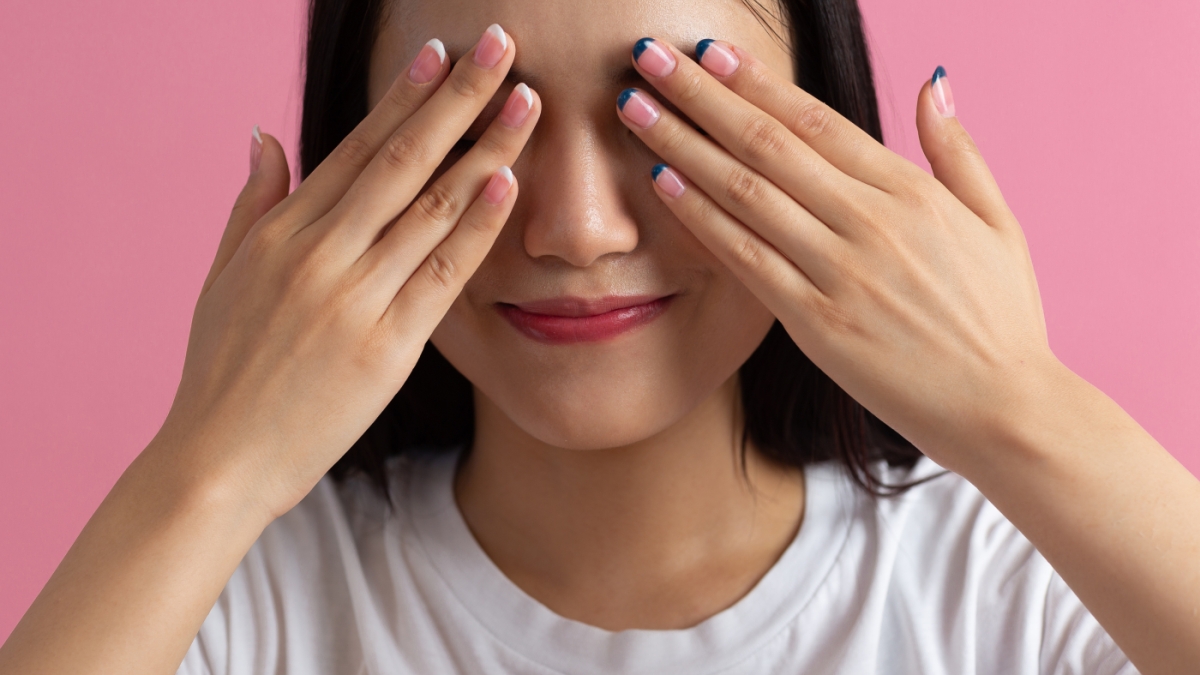
Rubbing your eyes is a natural reaction when they itch or feel like they have sand in them. However, Taylor Stearns and Neelam Pattadia, ophthalmologists at the University of Illinois at Chicago, point out that rubbing your eyes carries risks and explain the reasons why you might want to rub them and how to reduce itching and discomfort.
Is rubbing your eyes bad for you? 2 eye specialists explain what's behind the urge to rub and what to do about it
https://theconversation.com/is-rubbing-your-eyes-bad-for-you-2-eye-specialists-explain-whats-behind-the-urge-to-rub-and-what-to-do-about-it-280355
The main reason for rubbing your eyes is itchy eyes. The most common cause of itchiness is allergic conjunctivitis, which accounts for about 50% of cases of itchy eyes.
You might feel the urge to rub your eyes when they feel gritty, dry, or like there's something foreign in them, but according to Stearns et al., this could be a symptom of dry eye or blepharitis . The skin on the eyelids is thin and easily irritated by the surrounding environment and contact lenses, so dermatitis can also cause the eyelids themselves to itch.
Stearns et al. cite ' corneal cone ' as the most serious risk associated with rubbing your eyes. Corneal cone is a condition in which the cornea at the front of the eye gradually thins and changes into an irregular shape. A healthy cornea is nearly spherical, but in corneal cone, the cornea curves sharply, becoming cone-shaped, which can lead to severe astigmatism and blurred vision.
There are other problems associated with rubbing your eyes. For example, 'corneal abrasions' are scratches on the thin, transparent tissue that covers the cornea, and they occur when you rub your eyes too hard or accidentally touch the cornea with your fingernails. Corneal abrasions are very painful and usually cause blurred vision.
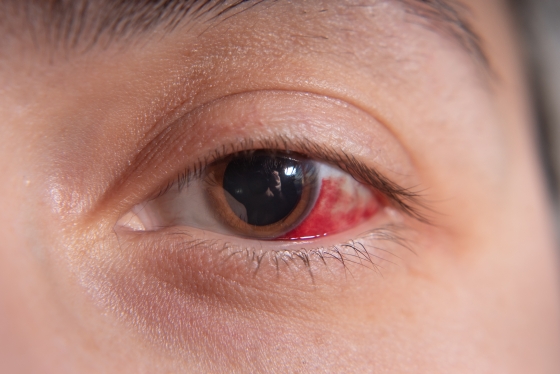
Additionally, rubbing your eyes can cause subconjunctival hemorrhage, a condition where tiny blood vessels on the surface of the eye rupture, causing the whites of the eyes to appear abnormally red. Stearns et al. explain that while subconjunctival hemorrhage can look surprisingly red, it is essentially like a bruise on the surface of the eye and does not cause permanent damage. It usually heals naturally within one to two weeks without treatment.
Conjunctivitis caused by viruses or bacteria can also spread through rubbing the eyes, so if you absolutely must touch your eyes, it's important to wash your hands beforehand to prevent the spread of infection. Viral conjunctivitis, in particular, is highly contagious, so be careful not to rub your eyes after coming into contact with someone who has conjunctivitis.
Stearns et al. suggest using 'artificial tears' as one way to reduce itching and discomfort. Artificial tears not only moisturize the eyes but also help wash away allergens from the surface of the eye, and they say that chilling them in the refrigerator before use can sometimes enhance their itchiness-relieving effect.
In cases of allergic conjunctivitis, it's important to avoid the allergens that trigger the symptoms as much as possible. For example, if pollen is the cause, you can reduce the amount of allergens that come into contact with your eyes by staying indoors, wearing sunglasses, and washing your face after going outside. Also, applying a cold compress can help soothe itching and reduce the urge to rub your eyes.
On the other hand, Stearns et al. argue that eye drops that are marketed to 'reduce redness' should generally be avoided because, although they may provide temporary relief, they carry a risk of side effects.
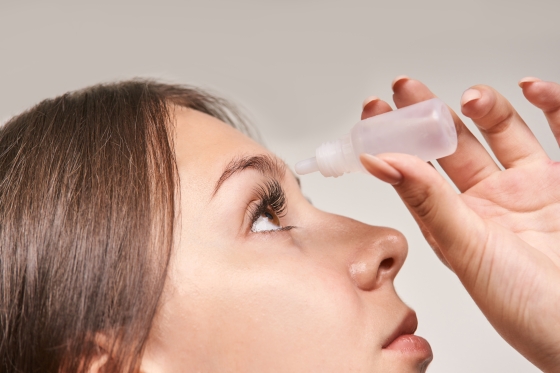
If the itching persists, you can consider using allergy eye drops, which are available as prescription or over-the-counter medications. Allergy eye drops include antihistamine eye drops that suppress the action of histamine, mast cell stabilizers that suppress the release of inflammatory substances involved in allergic reactions, and combinations of both.
If you have allergy symptoms other than eye symptoms, such as sneezing or a runny nose, oral allergy medication may be effective, and if symptoms persist, steroid eye drops may be helpful. Stearns et al. state that if the urge to rub your eyes does not improve even after using artificial tears, cold compresses, or over-the-counter anti-allergic eye drops, you should see an ophthalmologist.
Related Posts:





in Science, Posted by log1b_ok