What is the bloody origin of the number '0' and how has it developed through 'soft power'?

The concept of 'zero (0)' as a number is said to have originated in India around the 5th century, but the YouTube channel
The Bloody Origins of the Number Zero - YouTube
As a historical account of the number 0, Nightshift first explains the Kalinga War, which took place around 265 BC in ancient India between the Mauryan Empire and the Kalinga Kingdom. It is said that approximately 100,000 people died in the Kalinga War, and many more were forcibly relocated. King Ashoka of the Mauryan Empire was deeply troubled by the horrors of the war and eventually converted to Buddhism. He promoted policies that emphasized tolerance and social welfare rather than rule by force, and is said to have advanced the construction of roads and wells.

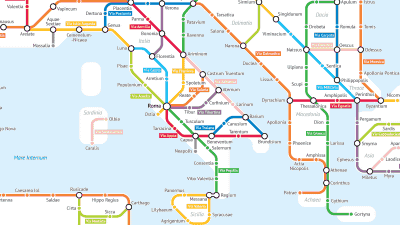
The road network developed by King Ashoka was also used for trade, connecting inland markets with seaports in India. Maritime trade allowed goods to spread more widely, and Buddhism spread through merchants and monks, leading to the construction of many monasteries along the trade routes. Even after the collapse of the Mauryan dynasty about a century after Ashoka's death, the merchant networks and monasteries continued to exist, and trade flowed between them.
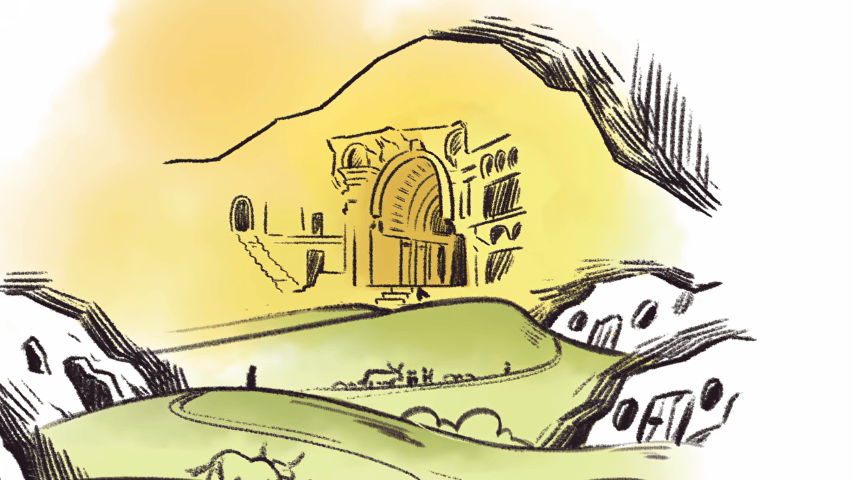
Around the 4th century, scholarship and science flourished in India under the Gupta Empire.
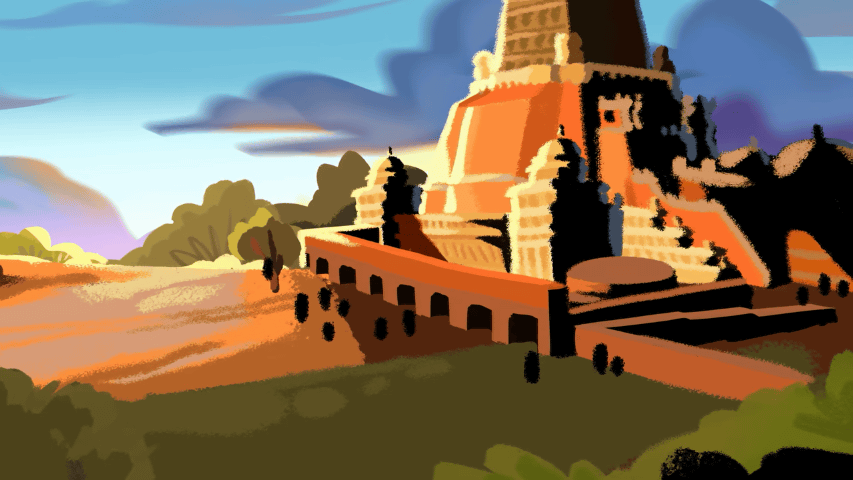
In ancient China, which used a positional numeral system, the position of zero was recorded as 'empty,' but in Babylonia, it was represented by a symbol. It is believed that this spread to India, and as a result, the symbol '0' began to be used around the 5th century, coinciding with the development of positional numeral systems. In the 7th century, the mathematician

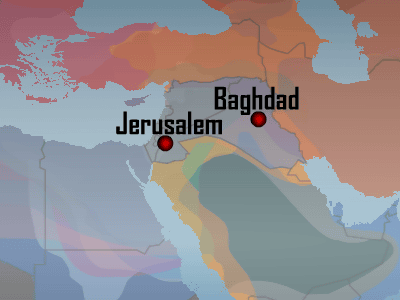
Later, as Buddhism declined in India due to the rise of Hinduism, Indian knowledge spread to the Middle East through networks of Buddhist monks, scholars, and merchants. In the 8th century, an academic institution called the ' House of Wisdom ' was established in Baghdad, where Indian mathematical and astronomical texts were translated into Arabic and spread throughout the Islamic world.
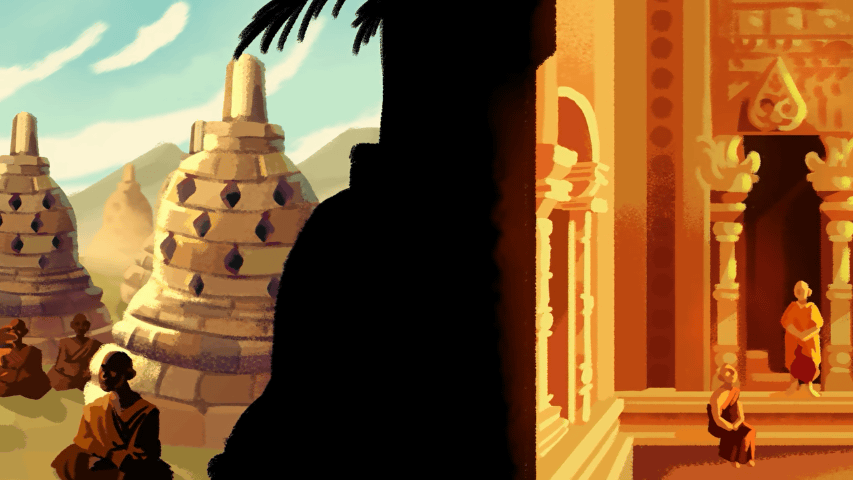
Furthermore, knowledge from India spread to Europe via Spain. In the 13th century, the Italian mathematician

Meanwhile, in mainland India, the Nalanda Monastery, a center of learning, was destroyed due to invasions from the north, and many texts were lost. Subsequently, European powers came to dominate maritime trade, and India entered a long period of colonial rule. Nevertheless, the influence of knowledge that spread from India remains to this day. Nightshift points out that the influence of Indian civilization on the world was not through military force, but rather an important example of ' soft power ' through knowledge and trade.
Related Posts:


in Video, Posted by log1e_dh