Claims that 19 is the best age to freeze eggs for future pregnancies

The optimal age to freeze eggs is 19 — LessWrong
https://www.lesswrong.com/posts/dxffBxGqt2eidxwRR/the-optimal-age-to-freeze-eggs-is-19
The female reproductive system is one of the parts of the human body that ages particularly quickly, and eggs are particularly susceptible to aging. As we age, the number and quality of eggs decrease, leading to a corresponding decline in pregnancy rates and an increase in miscarriage rates . However, if you freeze your eggs at a relatively young age to prepare for the future, you can maintain the quality of the eggs at the time of egg retrieval, allowing you to use high-quality eggs when you decide you want to have children.
Gene Smith, who runs a gene-editing startup, says egg freezing is a great option for women who want to delay pregnancy for career or mate reasons, but he points out that choosing the wrong time to freeze eggs can have a negative impact on future family planning.
'In the fertility industry, standard practice is for women to wait until they are in their mid-to-late 30s to freeze their eggs. If they are not likely to have all the children they want at that point, they are advised to freeze their eggs. However, this is poor practice. The effectiveness of egg freezing decreases almost linearly with age. Conventional advice does women a huge disservice by not encouraging them to freeze their eggs until it is too late,' Smith said.
The graph below was published in a paper titled ' Age and Infertility Revisited ' (PDF file) by a team led by Michael Gelso, an associate professor of demographics and fertility at the University of Texas at Austin, USA, in 2023. The vertical axis represents the monthly pregnancy rate for couples who do not use contraception, and the horizontal axis represents the woman's age. It is clear that the pregnancy rate is higher among younger women, peaking around age 20.
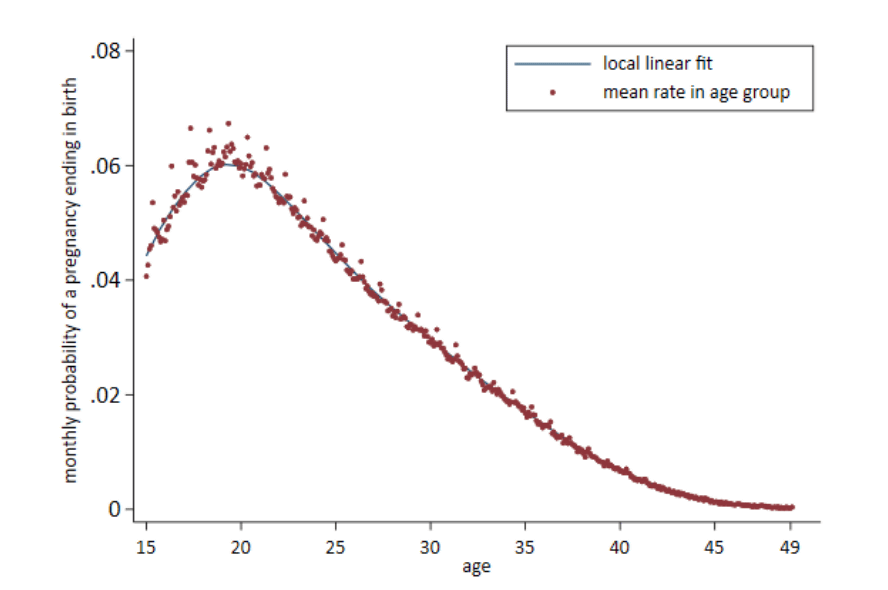
'The best age to freeze eggs varies by source and standard, but almost all sources agree it's between 19 and 26 years old,' Smith said, arguing that 19 is the best age to freeze eggs, as this is when fertility rates are highest.
However, in reality, the fertility treatment industry rarely recommends egg freezing at age 19, and most only advises that it is better to freeze eggs by age 35. Smith explains that the reasons for this include the cost of egg freezing, which makes it difficult for young women and couples to afford, and the fact that the fertility treatment industry as a whole is made up of infertile women in their mid- to late 30s, and is not prepared to accommodate young women who are considering egg freezing.
The graph below, taken from a 2019 report by
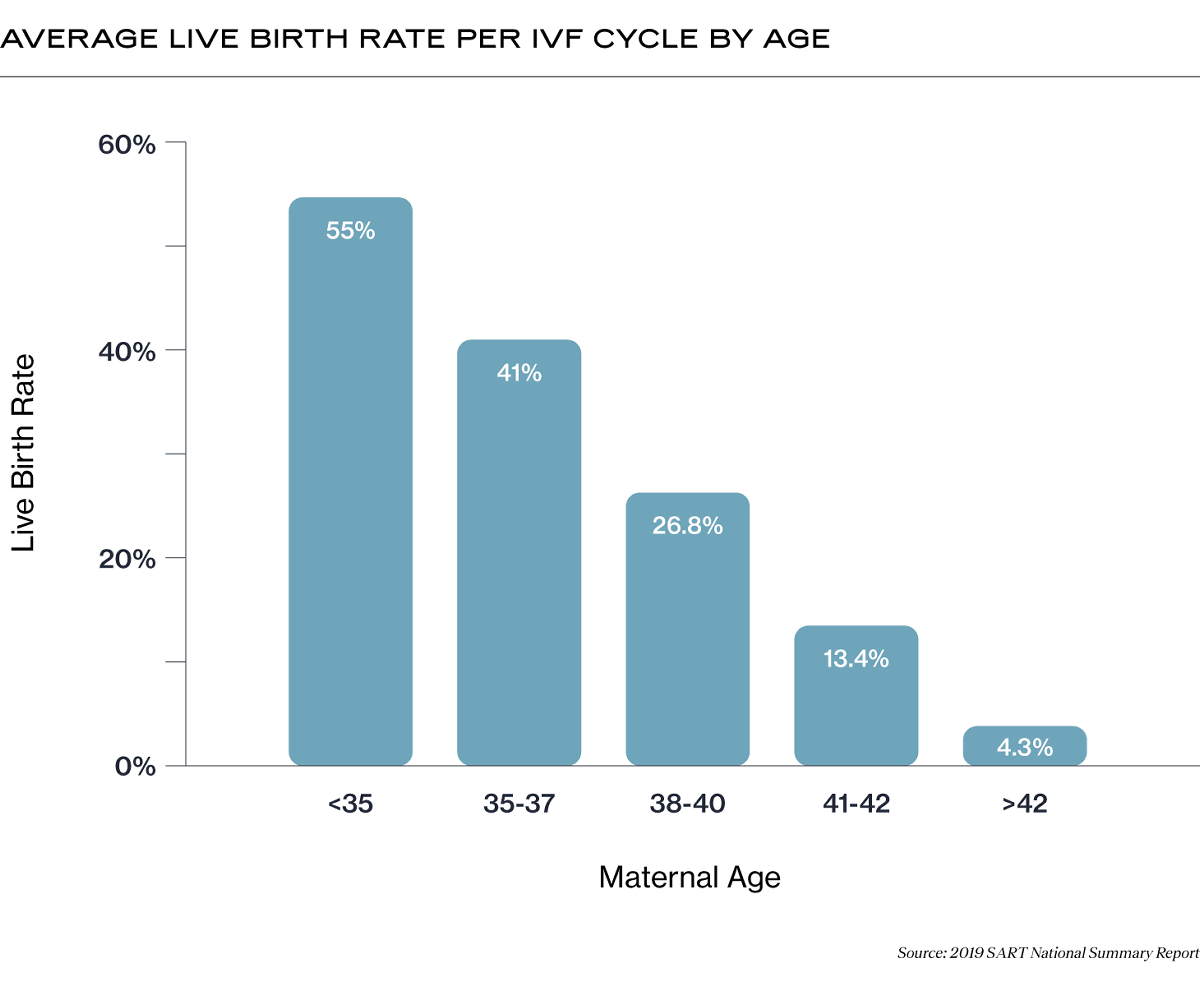
Younger eggs also increase the chances of creating multiple embryos from frozen eggs in one cycle. This means it's possible to create five embryos in one cycle, one for the current pregnancy, and one for a later pregnancy two years from now. Smith points out that this difference is significant, since the decline in pregnancy rate is primarily due to the number of viable embryos.
The graph below,
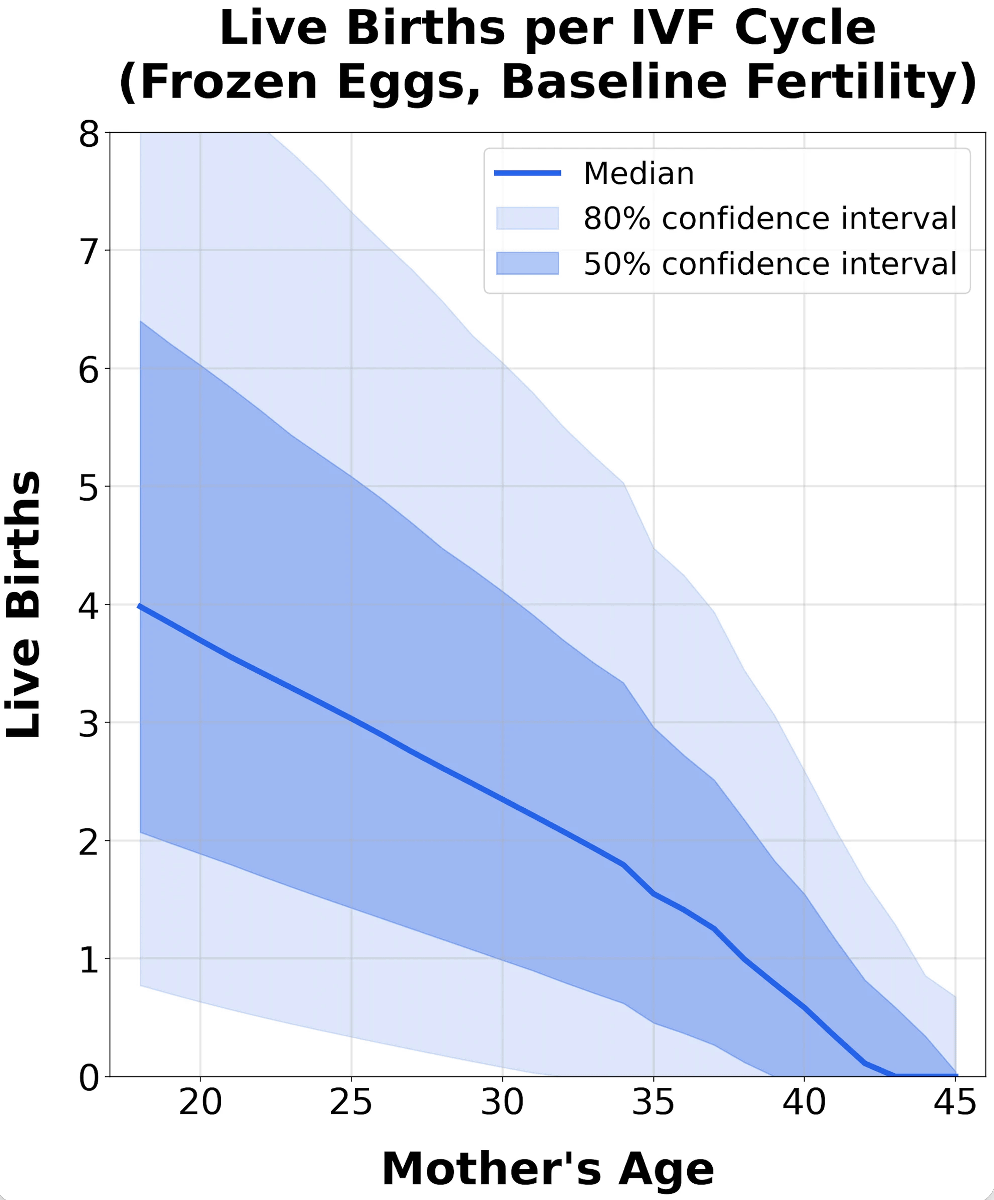
'The difference between freezing your eggs at 25 and freezing them at 37 is much more pronounced. Between these two ages, the expected birth rate per egg retrieval drops by 60%, and no one in the IVF industry tells you this,' Smith says. She also notes that by the age of 35, there's a 10% chance that you won't have a child at all, even if you freeze your eggs. She adds that in some cases, it's too late to freeze your eggs in your mid-30s.
'Unless you're literally a minor, the earlier you freeze your eggs, the better in most cases,' Smith said. She stressed that women who want to undergo fertility treatments or delay pregnancy should consider freezing their eggs as early as possible.
Related Posts:






in Science, Posted by log1h_ik