An artificial pain sensor has been developed that can make machines feel pain

Researchers at Northeast Normal University in China have developed a sensor that mimics the pain felt by animals. The unique feature of this sensor is that it can express not just the presence or absence of a stimulus, but also the intensity of the pain.
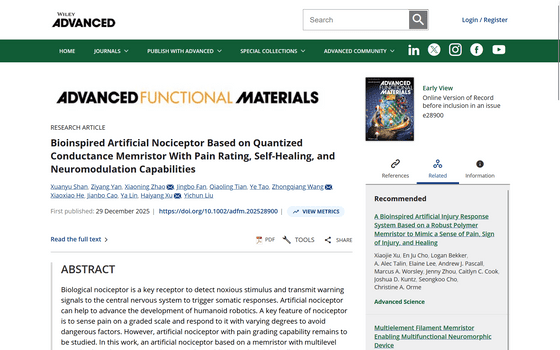
Bioinspired Artificial Nociceptor Based on Quantized Conductance Memristor With Pain Rating, Self‐Healing, and Neuromodulation Capabilities - Shan - Advanced Functional Materials - Wiley Online Library
Scientists design artificial pain receptors that sense pain intensity and self-heals
Chinese scientists have developed an artificial nerve that could teach robots to “feel” pain.
https://thechinaacademy.org/warning-robots-may-be-starting-to-hold-grudges/
Animals have pain receptors that detect potentially harmful stimuli and send warning signals to the brain and spinal cord, allowing animals to protect themselves from injury and tissue destruction. Scientists have been trying to replicate this system in electronic devices for decades.
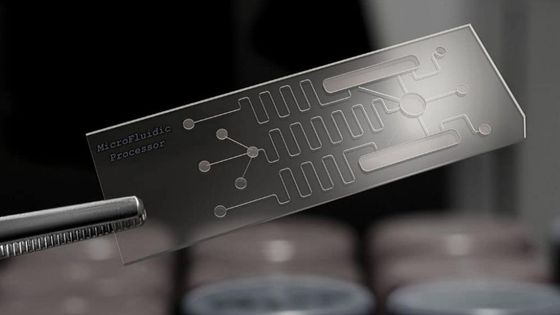
A research team at Northeast Normal University has developed a jelly-like pain sensor, whose core is a tiny electronic component called a ' memristor .'
Scientists have previously attempted to build artificial pain sensors using conventional semiconductor technology, but the extremely complex and bulky circuits made it difficult to reproduce the subtle gradations of pain experienced by humans. However, this changed with the advent of memristors, which not only control the flow of electrical current but also 'remember' the amount of electrical charge that has passed through them. The research team designed a device that flows electrical current in discrete, stepped levels rather than a smooth, continuous flow, allowing them to adjust the intensity of pain rather than simply the presence or absence of a stimulus.
To achieve this precision, the researchers used two gelatin films with different concentrations: a 10% gelatin film by weight for the pressure sensor and a 1% gelatin film by weight for the memristor. By connecting these two components in series, they constructed an artificial nerve.

In experiments, the system was able to distinguish between four levels of pain on the human pain scale (no pain, mild pain, moderate pain, and severe pain) when pressures ranging from 9 to 45 kPa were applied.
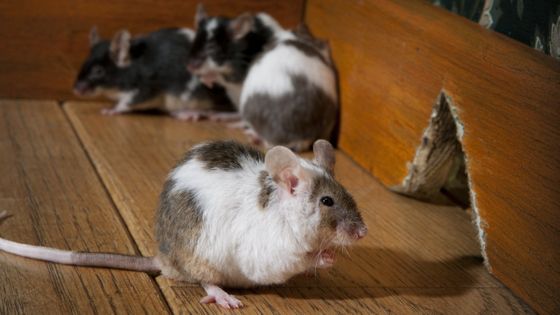
When the sensor was connected to the nerve of anesthetized mice, stimulation of the sensor induced muscle contractions, suggesting that the mice were experiencing pain.
Another notable feature of the sensor is its self-healing ability. The research team incised scratches up to 50.7 micrometers wide into the gelatin, then heated it at 60°C for 20 minutes. The scratches completely disappeared, and the material's electrical conductivity returned to its original state. This demonstrated the ability to recover from damage, a challenge for conventional pain sensors, and suggests the sensor could be used for more practical applications.
The researchers hope that using such sensors in machines will push the boundaries of materials that indirectly connect humans and machines, such as in prosthetic limbs. Furthermore, they point out that mimicking pain sensations is not just about making machines feel pain, but also about equipping intelligent machines with realistic sensory capabilities and powerful self-protection mechanisms.
Related Posts:


in Science, Posted by log1p_kr