Former Google CEO promotes project to develop largest private space telescope, aiming to start operation by 2030
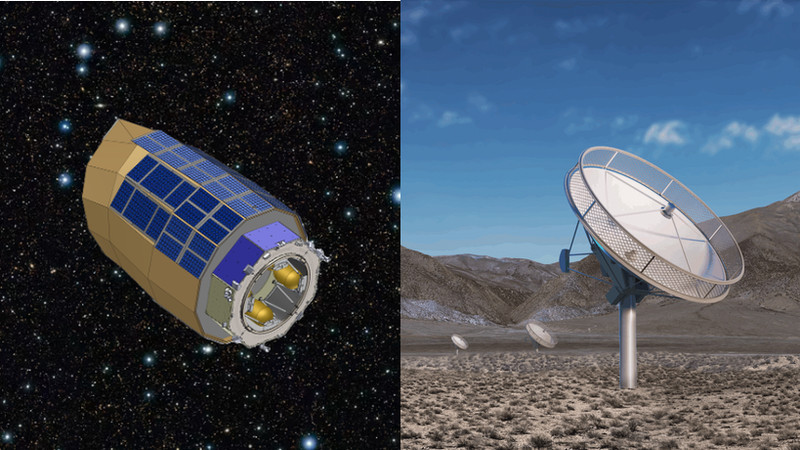
Schmidt Science, a foundation founded by Eric Schmidt, co-founder and former CEO of Google, has announced a new observation system as one of the largest private investments in astronomy ever. The project, named the Eric and Wendy Schmidt Observatory System , will consist of a space telescope larger than NASA's Hubble Space Telescope and three ground-based observatories.
The Eric and Wendy Schmidt Observatory System - Schmidt Sciences
Ex–Google CEO funds private space telescope bigger than Hubble | Science | AAAS
https://www.science.org/content/article/ex-google-ceo-funds-private-space-telescope-bigger-hubble
Schmidt is one of the world's richest people, with a net worth of $53 billion (approximately 7.95 trillion yen). He has a long history of supporting science, including founding the Schmidt Ocean Institute and co-funding $1 billion (approximately 150 billion yen) to build the Giant Collider at CERN in Switzerland.
The Eric and Wendy Schmidt Observatory System takes a novel approach, moving away from traditional grant funding and instead leading the development and operation of the observatory itself.
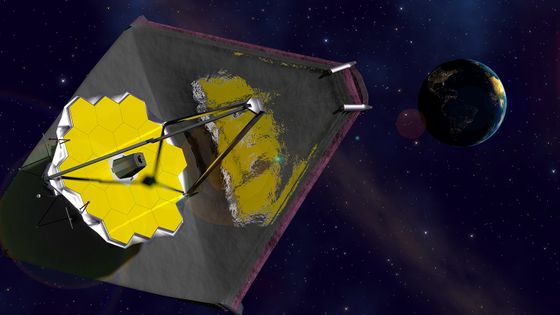
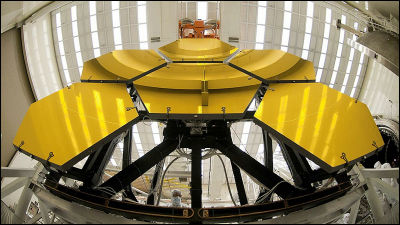
The core of the Eric and Wendy Schmidt Observatory System is a space telescope called 'Lazuli.' Lazuli has a 3.1-meter mirror, which has a light-gathering area approximately 70% larger than the 2.4-meter diameter Hubble Space Telescope. Lazuli's scientific goals include carrying a coronagraph to directly observe rocky planets around nearby stars, searching for exoplanets, and measuring the expansion rate of the universe through the observation of supernovae.
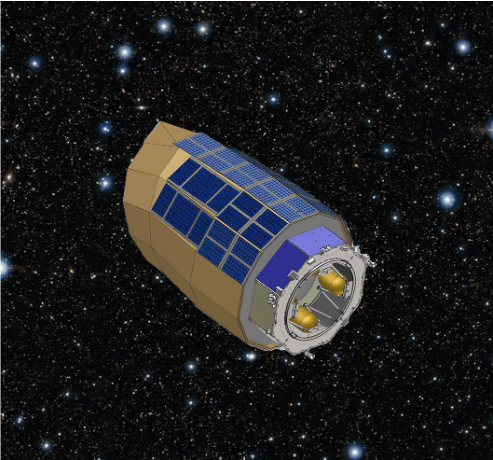
In conventional government-led projects, building a space telescope requires a budget of billions of dollars and a period of more than 10 years. However, Schmidt Science aims to reduce costs to a few hundred million dollars and develop it quickly by actively utilizing commercially available parts, thanks to the reduced launch costs brought about by the entry of companies such as SpaceX.
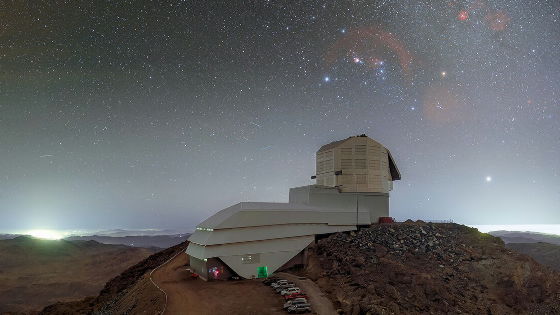
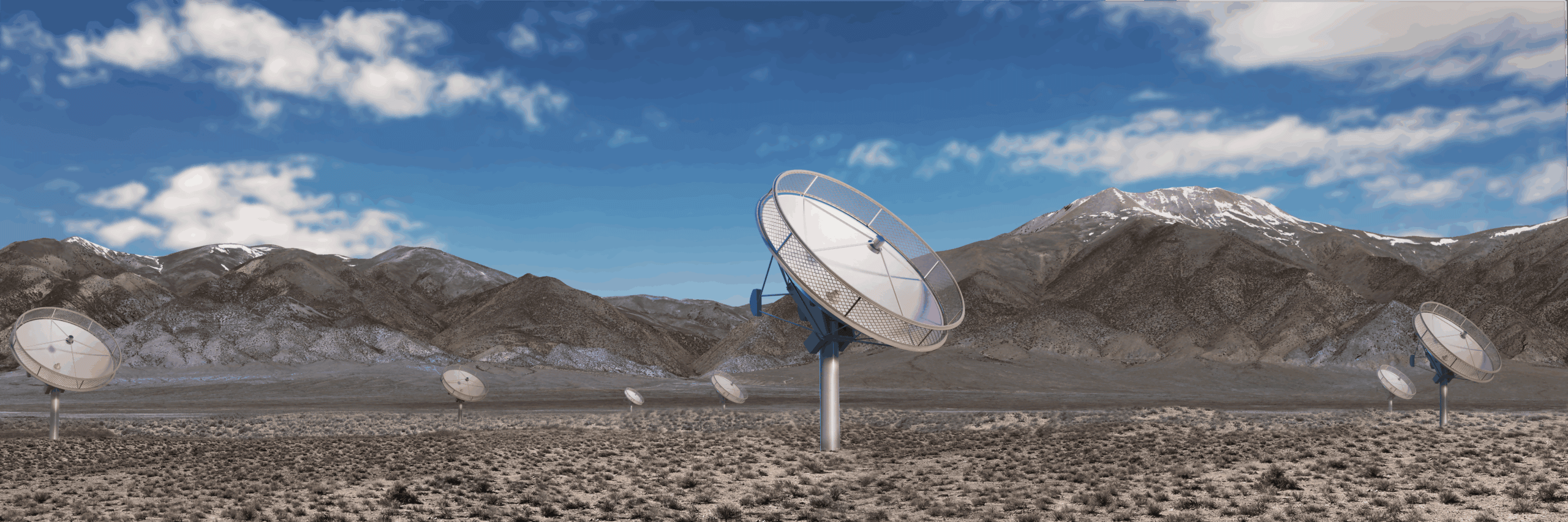
Three ground-based observatories will also be built: the Deep Synoptic Array (DSA), which will consist of 1,600 radio antennas located in northern Nevada, USA, and will take snapshots of the entire visible sky every 15 minutes, with the aim of detecting fast radio bursts and pulsars, which could help detect gravitational waves.
The second, the Argus Array, is a mountaintop facility in Texas consisting of 1,200 small telescopes with a total light-gathering area equivalent to an 8-meter telescope. Covering the visible sky from the zenith to an altitude of 38 degrees, it will continuously record sudden events, such as star explosions and star destruction by black holes, every 60 seconds. The Argus Array is scheduled to be fully operational in 2028.
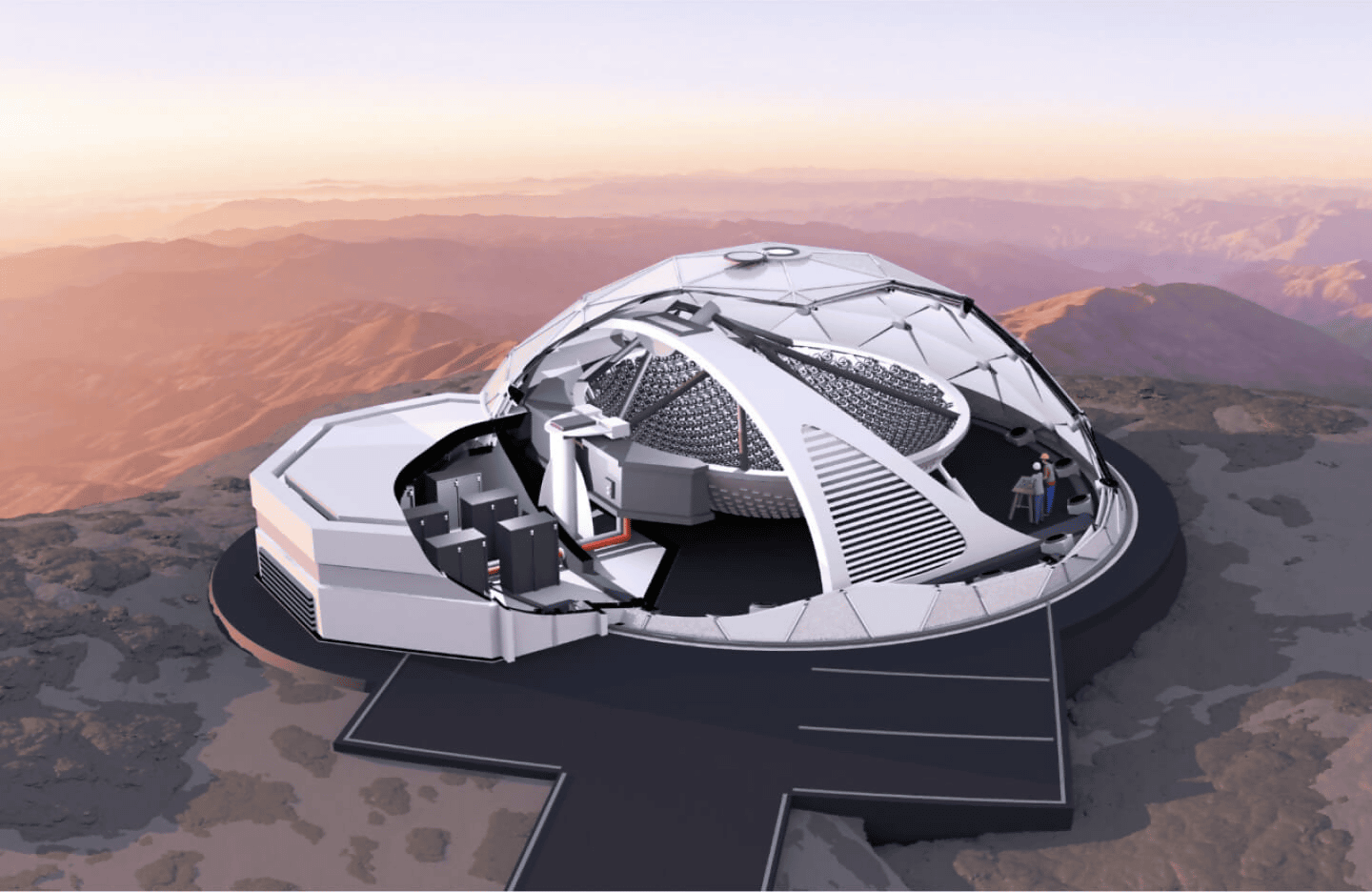
The third, the Large Fiber Array Spectroscopic Telescope (LFAST), will use optical fibers to transmit light from multiple small telescopes to a spectrometer, with a total light-gathering capacity comparable to that of
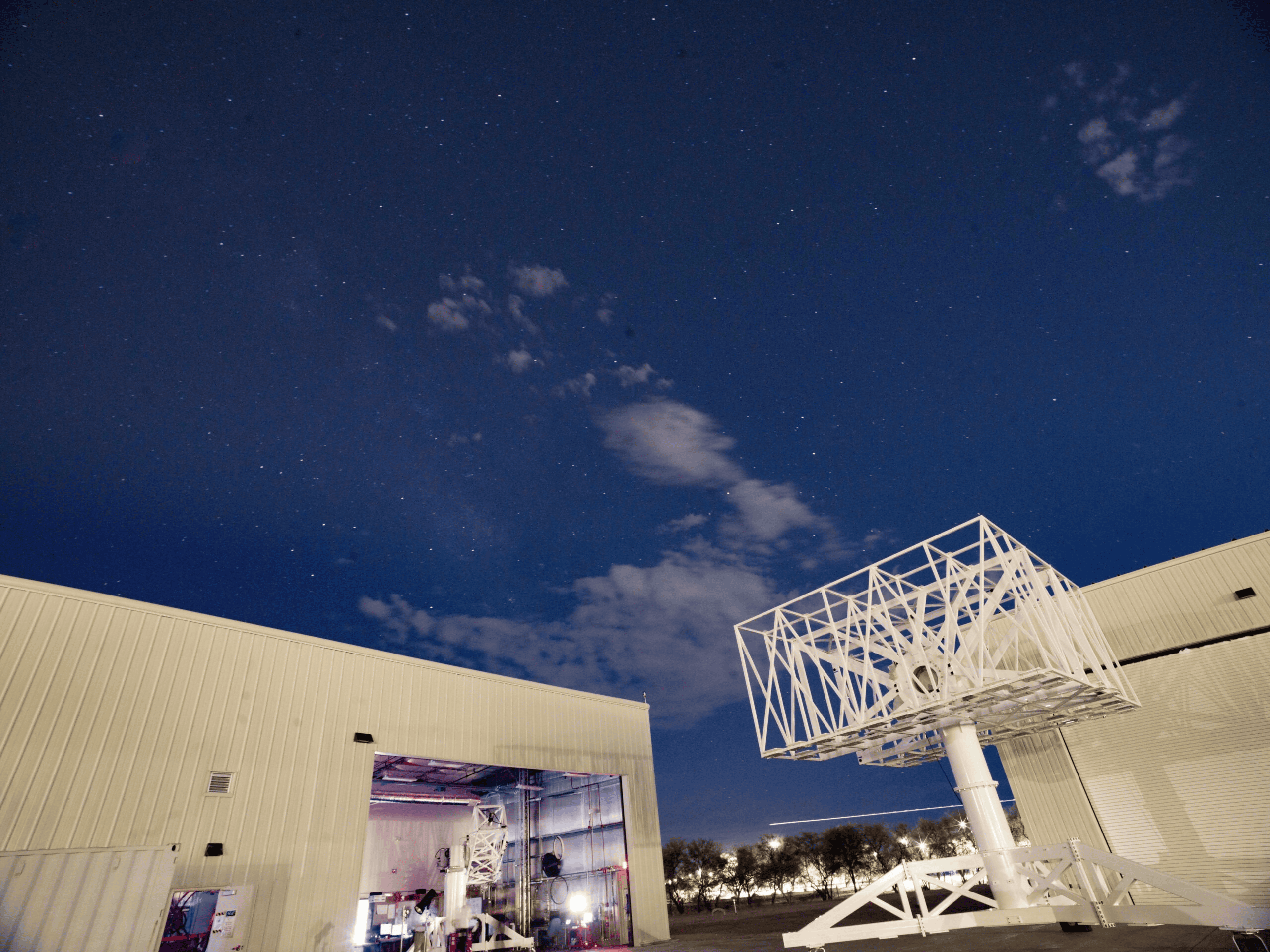
The Eric and Wendy Schmidt Observatory System's observation systems are specialized in monitoring large areas of the sky to detect sudden phenomena, and all instruments work together through a common online interface. If one observatory discovers an interesting celestial object, other instruments can immediately follow up and conduct detailed analysis.
The collected data will be made available to scientists around the world through an integrated database. At a time when U.S. government support for astronomy is uncertain, the Eric and Wendy Schmidt Observatory System is expected to play a crucial role in maintaining America's scientific competitiveness and talent. The project as a whole is expected to be operational by 2030.
Related Posts: