Commonwealth Fusion Systems partners with NVIDIA and Siemens to build an AI digital twin for the next-generation fusion reactor 'SPARC,' accelerating commercialization efforts
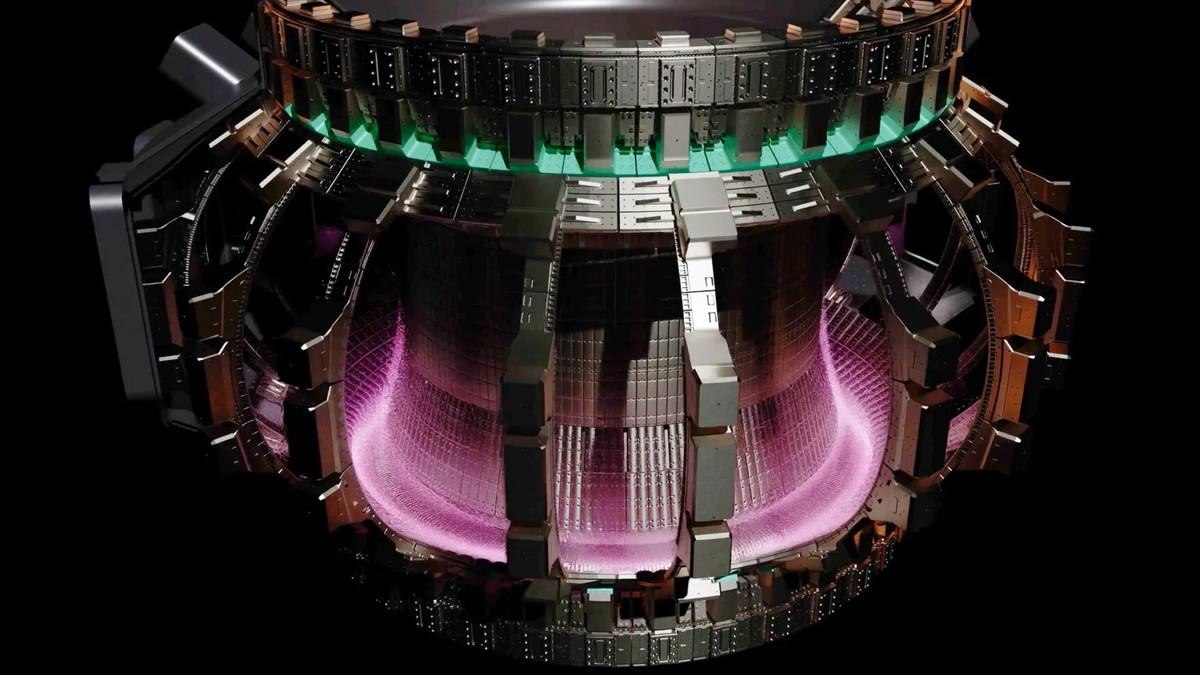
On January 6, 2026, Commonwealth Fusion Systems (CFS), a nuclear fusion startup, announced that it will partner with NVIDIA and Siemens to build
How NVIDIA AI and simulation libraries and Siemens tools can accelerate fusion energy | The Tokamak Times
https://blog.cfs.energy/how-nvidia-ai-and-simulation-libraries-and-siemens-tools-can-accelerate-fusion-energy/
CFS delivers its first fusion magnet — a stronger, smaller design | The Tokamak Times
https://blog.cfs.energy/cfs-delivers-its-first-fusion-magnet-a-stronger-smaller-design/
Our first completed magnet for SPARC could lift an aircraft carrier - YouTube
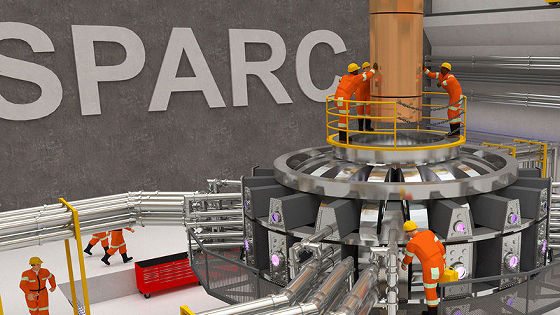
SPARC is a tokamak-type fusion reactor being developed by CFS in collaboration with the Massachusetts Institute of Technology's Plasma Science and Fusion Center. It is expected to be more compact than conventional tokamak fusion reactors, yet achieve 'break-even' status, where the output energy exceeds the input energy required to produce fusion.
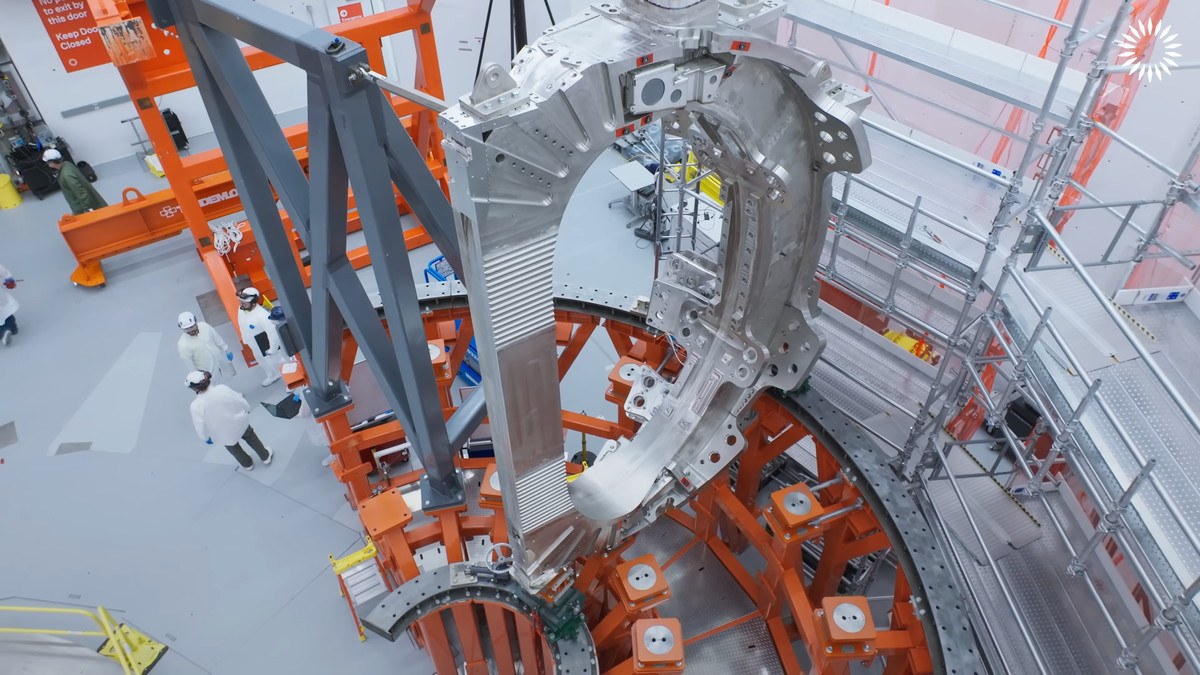
According to CFS, a 24-ton magnet was delivered to SPARC from a factory in Massachusetts in December 2025. SPARC will use high-temperature superconducting magnets to confine plasma, and the TF magnet developed by CFS is manufactured by stacking 16 flat steel plates infused with high-temperature superconductors. This magnet took four years to develop, and mass production is finally ready in 2025.
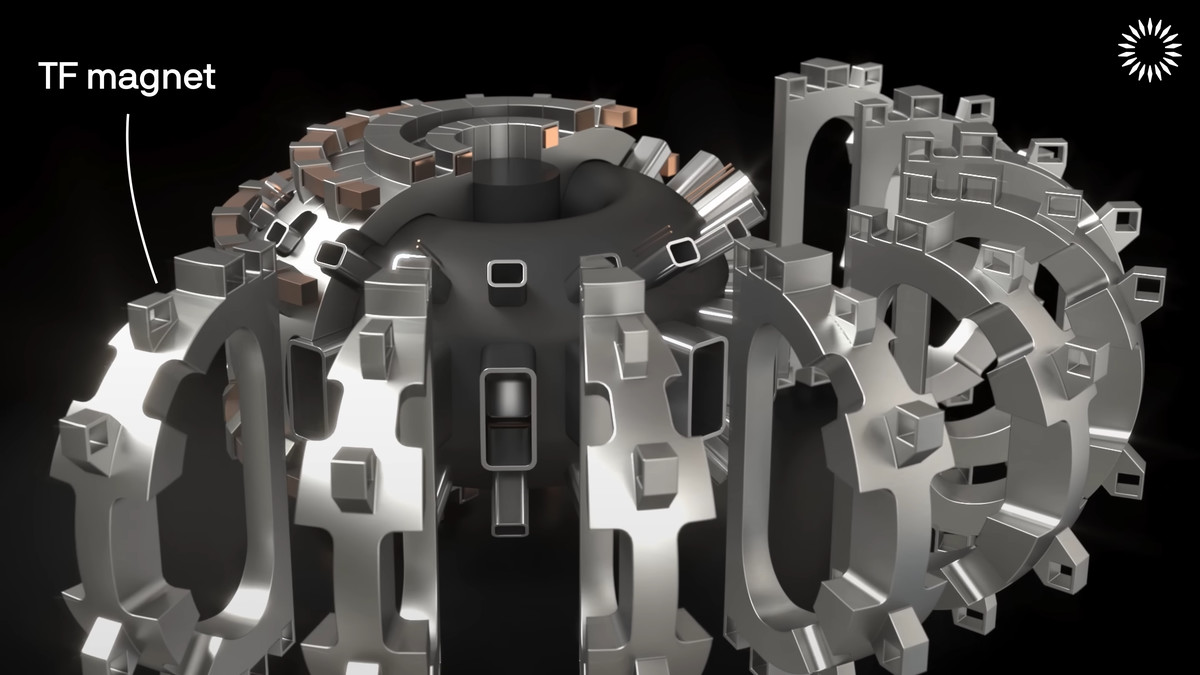
SPARC will need 18 high-temperature superconducting magnets, and this is just the first one installed. 'We didn't just build one magnet,' said Brandon Solbom, CFS's chief scientific officer and co-founder. 'We built a manufacturing facility capable of producing many, many magnets.' He called it a major achievement.
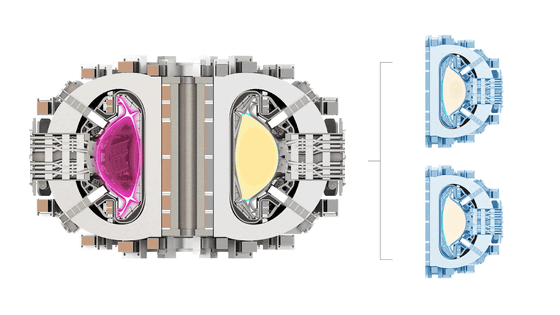
The collaboration between NVIDIA and Siemens aims to build a system that leverages NVIDIA's AI and simulation libraries and Siemens' design and engineering expertise to rapidly design and manufacture SPARC and its components.
As SPARC operates, its components, including magnets, expand and contract due to temperature changes, causing them to shift and distort. CFS will use Siemens tools to improve its design and manufacturing processes, and NVIDIA's
CFS says that thorough simulations conducted during the design phase allow it to meticulously ensure that all of SPARC's parts fit together properly both during assembly and operation.
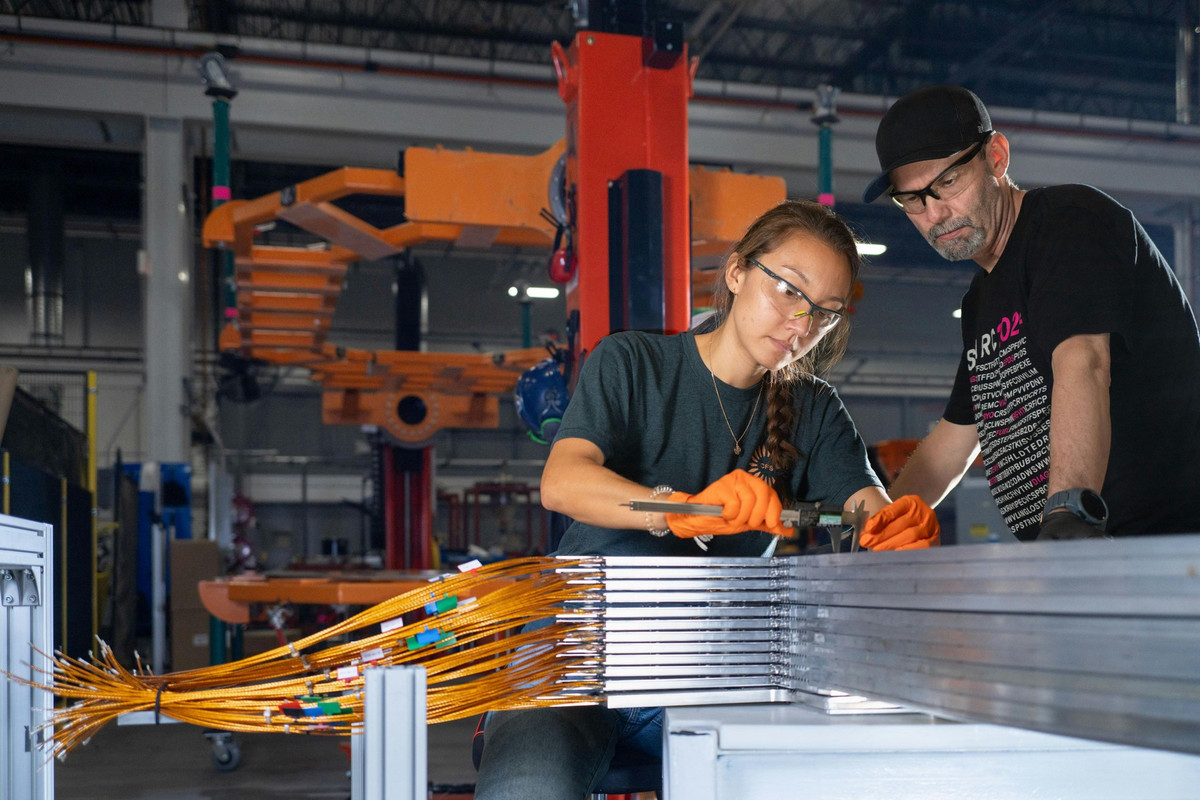
'From engineering to simulation to operations, today's digital tools are transforming everything. To scientists and engineers, the data flowing through these computing systems is as real as electrons flowing through a magnet,' CFS said.
In October 2025, CFS announced a partnership with Google DeepMind to build a system capable of simulating nuclear fusion reactions within SPARC using AI.
Google DeepMind and Commonwealth Fusion Systems partner to accelerate fusion energy development with open-source plasma simulator 'TORAX' - GIGAZINE
Related Posts: