Which is the best sleeping position: face down, on your back, or on your side?
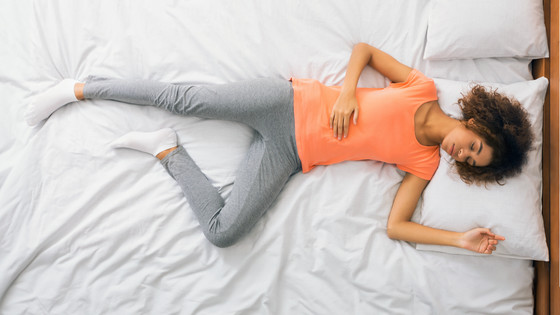
The position in which people sleep varies from person to person, with some saying, 'I can't sleep unless I lie on my back,' and others saying, 'I can only relax when I lie on my side.' TED-Ed, which shares various knowledge through short animations, summarizes the advantages and disadvantages of sleeping positions.
What's the best position to sleep in? - Rachel Marie E. Salas - YouTube
The theory that 'your sleeping position reflects your personality,' proposed by psychologist Samuel Dunkel in the 1970s, is not scientifically proven, but it is clear that your posture has an impact on your health.
Sleeping positions are broadly divided into four types: left side, right side, stomach, and back. Although back sleeping is recommended for infants under one year old to avoid the risk of suffocation, many people prefer sleeping on their side as they grow. Most adults tend to prefer sleeping on their side, followed by back sleeping, and least likely stomach sleeping, but the optimal position varies greatly depending on the individual's health condition.
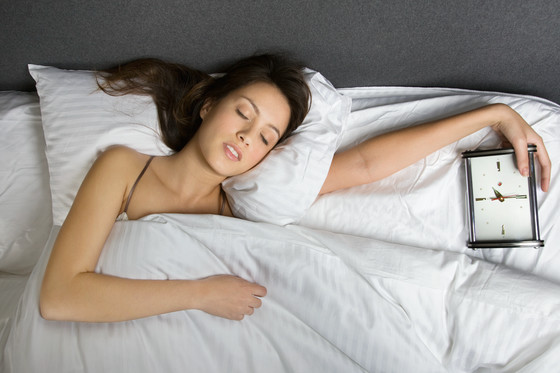
Sleeping posture changes the position of internal organs and affects the support of the spine, so improper posture prevents muscle relaxation and can cause stiffness and pain the next morning. Of the four sleeping positions, prone sleeping is the least recommended, as it unnaturally stretches the natural curve of the spine, but for patients with certain respiratory diseases, it may be effective in expanding the back of the lungs, making breathing easier.
For people with lower back pain, sleeping on your back with a small pillow under your knees is recommended, as it helps maintain the natural curve of your spine. However, sleeping on your back can also cause the soft tissues of your throat and tongue to fall into your airway, potentially causing snoring and worsening the symptoms of sleep apnea.

Many experts recommend sleeping on your side with a pillow between your knees, which they say helps keep your spine in better alignment.
Additionally, sleeping on your left side can help relieve the symptoms of gastroesophageal reflux disease by allowing gravity to keep stomach acid from backing up into your esophagus, while if you have congestive heart failure, sleeping on your right side can improve the quality of your sleep by reducing the pressure on your chest caused by an enlarged heart.
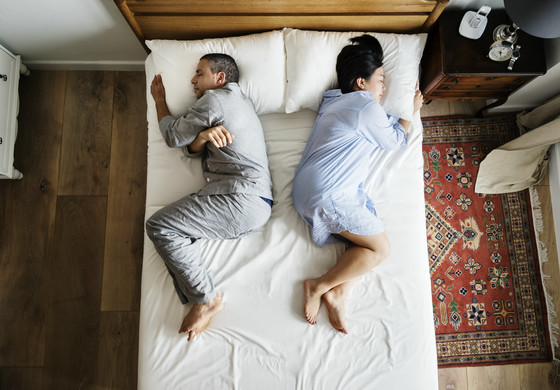
Humans unconsciously change positions 20 to 30 times a night, which is a defense mechanism that naturally relieves pressure on the body and prevents discomfort and injury. Unless you have specific health concerns, changing positions as you turn over in your sleep is not a bad thing, and it is important to respect the position that your body finds most comfortable.
Related Posts:







in Science, Posted by log1i_yk