New York City saw a significant decrease in air pollution after introducing congestion pricing
A first look into congestion pricing in the United States: PM2.5 impacts after six months of New York City cordon pricing | npj Clean Air
https://www.nature.com/articles/s44407-025-00037-2
Congestion pricing improved air quality in NYC and suburbs | Cornell Chronicle
https://news.cornell.edu/stories/2025/12/congestion-pricing-improved-air-quality-nyc-and-suburbs
In New York City, Congestion Pricing Leads to Marked Drop in Pollution - Yale E360
https://e360.yale.edu/digest/new-york-congestion-pricing-pollution
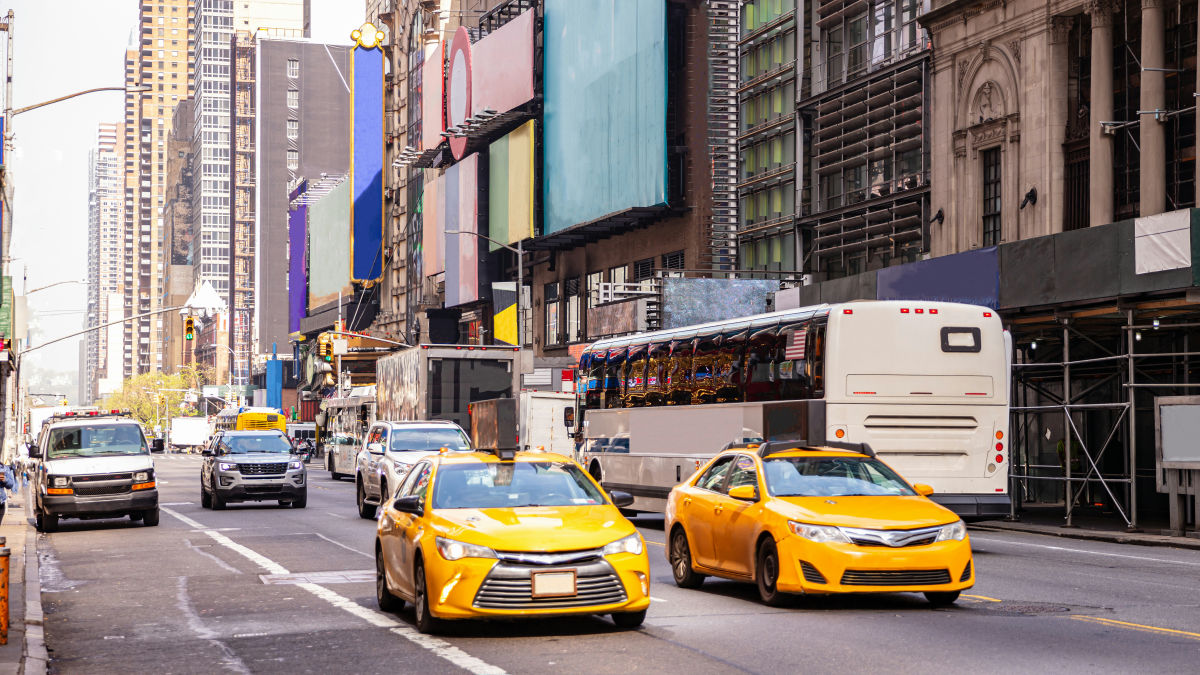
Starting in January 2025, New York City will require most vehicles traveling from 60th Street in Manhattan to downtown during the day to pay a $9 congestion charge. This has significantly improved congestion, a long-standing issue, and is expected to generate revenue of approximately $500 million in the first year.
In New York, where congestion pricing was introduced, the number of cars was reduced, congestion was alleviated, and revenue for traffic improvement increased - GIGAZINE

According to officials , within six months of the congestion charge being implemented, traffic volume in the affected areas fell by 11%, accidents by 14%, and complaints about excessive honking and other noise fell by 45%.
A research team from Cornell University in the United States investigated how congestion pricing affected the levels of fine particulate matter (PM2.5), an air pollutant that can worsen asthma and heart disease and increase the risk of lung cancer and heart attack.
The study used data from 17,758 observations over 518 days from 42 air quality monitors in the New York metropolitan area. The analysis used a predictive model that incorporated weather conditions, baseline air pollution levels, and neighborhood demographics to estimate the impact of congestion pricing at each monitoring station.
The results showed that daily maximum PM2.5 concentrations in some areas of Manhattan decreased by an average of 22% in the six months after the introduction of congestion pricing. The improvement in air quality in New York City was greater than in other cities that have implemented congestion pricing, such as Stockholm and London, and the impact was reported to have spread throughout the metropolitan area. It is thought that this is because New York City has a larger population than these cities, which may have made a greater impact from congestion pricing.
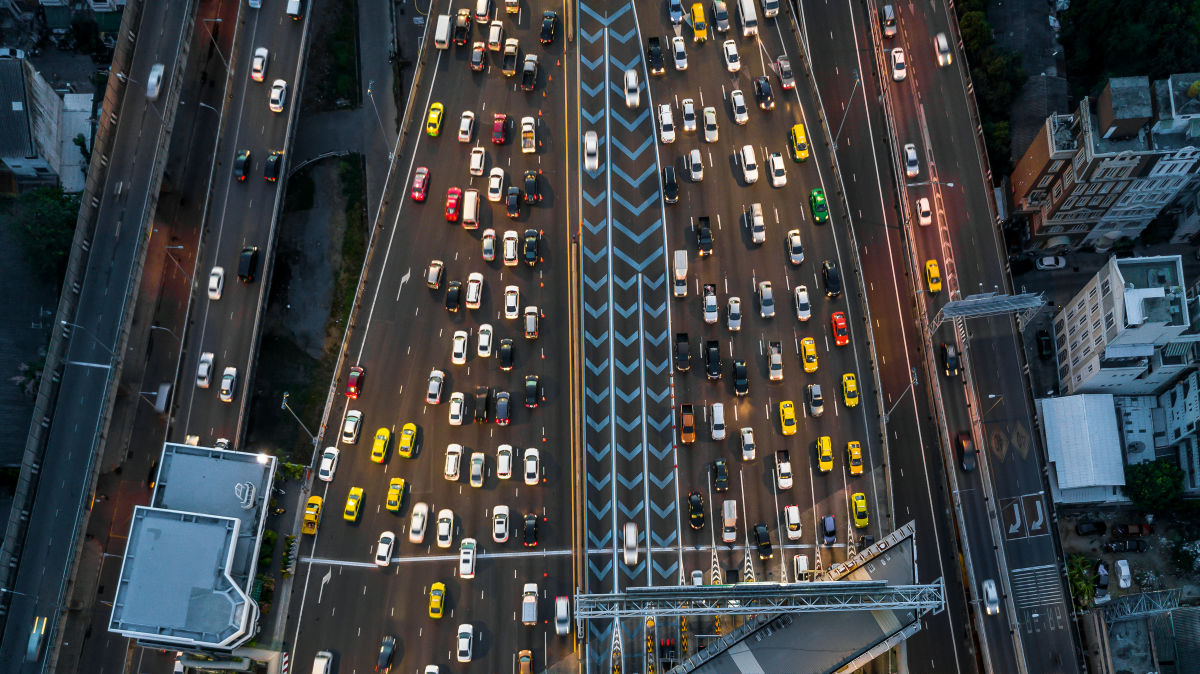
'It's encouraging to see air quality improvements across metropolitan areas,' said Timothy Fraser, assistant professor at Cornell University and lead author of the paper. 'This shows that congestion pricing isn't just shifting traffic routes and shifting pollution to the suburbs. Rather, it's likely encouraging people to choose cleaner modes of transportation, such as taking public transit or scheduling deliveries for later in the day. This reduces traffic and helps to reduce the smog that occurs when more cars are on the road.'
Related Posts: