A 'baby boom' is reported in a group that won a war between chimpanzees
Female fertility and infant survival increase following lethal intergroup aggression and territorial expansion in wild chimpanzees | PNAS
https://www.pnas.org/doi/full/10.1073/pnas.2524502122
A decade-long chimp war ended in a baby boom for the victors, scientists discover | Live Science
https://www.livescience.com/animals/land-mammals/a-decade-long-chimp-war-ended-in-a-baby-boom-for-the-victors-scientists-discover
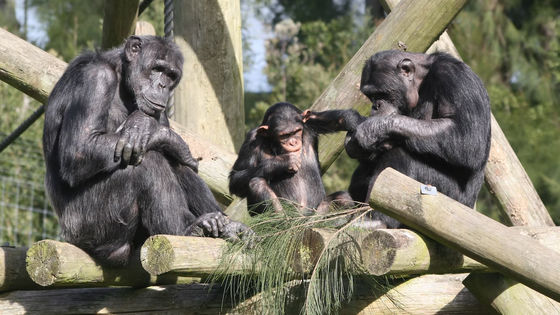
Chimpanzees have long been known to engage in violent conflicts between groups, or 'war.' In the 1970s, British ethologist Jane Goodall observed that a group of chimpanzees in Gombe National Park in Tanzania split into two, resulting in the deaths of all males in one group as a result of a four-year war. However, it was not clear why chimpanzees waged such violent warfare.
To better understand chimpanzee warfare and its consequences, anthropologist Brian Wood of the University of California, Los Angeles, and his team examined data collected over 30 years in Kibale National Park in Uganda.
Between 1998 and 2008, a group of chimpanzees living in the Ngogo forest in Kibale National Park repeatedly clashed violently with a neighboring group of chimpanzees. As a result of the 10-year war, at least 21 chimpanzees from the neighboring group were killed.
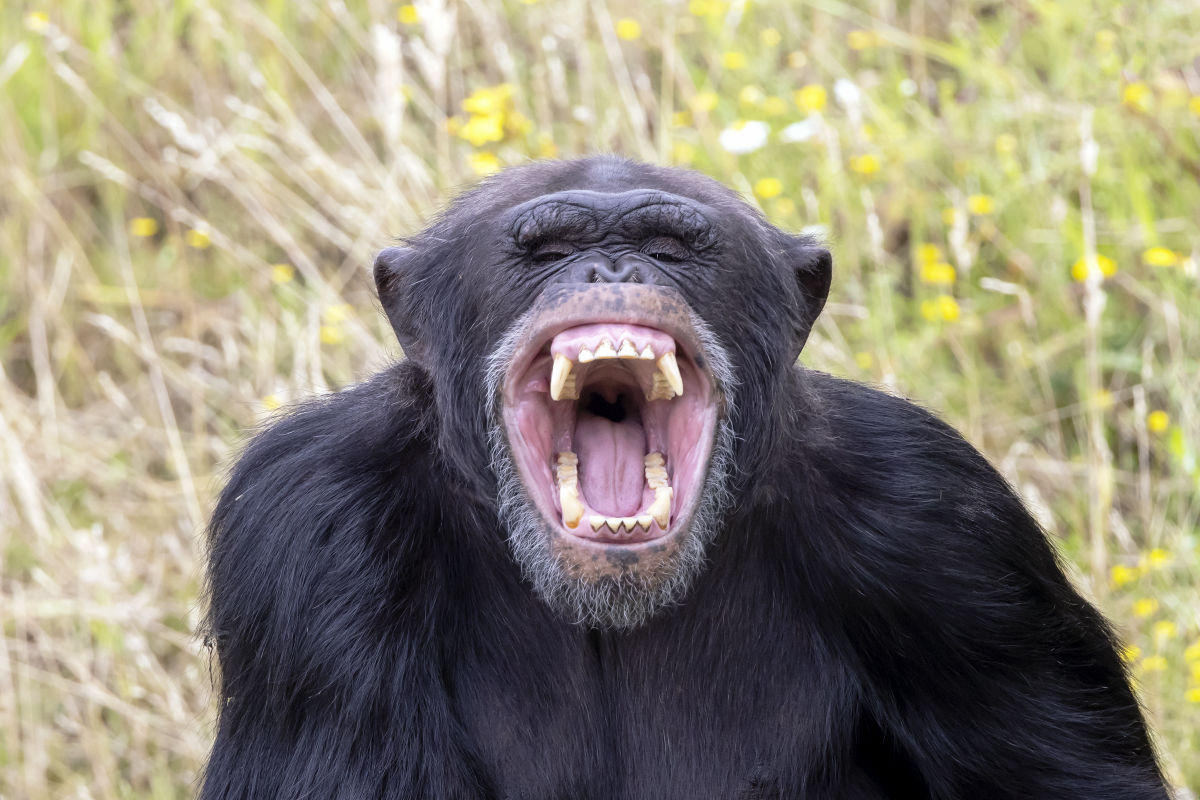
As a result of the war, in 2009, Ngogo chimpanzees expanded their range into areas previously occupied by their rivals. Research shows that Ngogo chimpanzees' range expanded by 6.4 square kilometers, or about 22 percent.
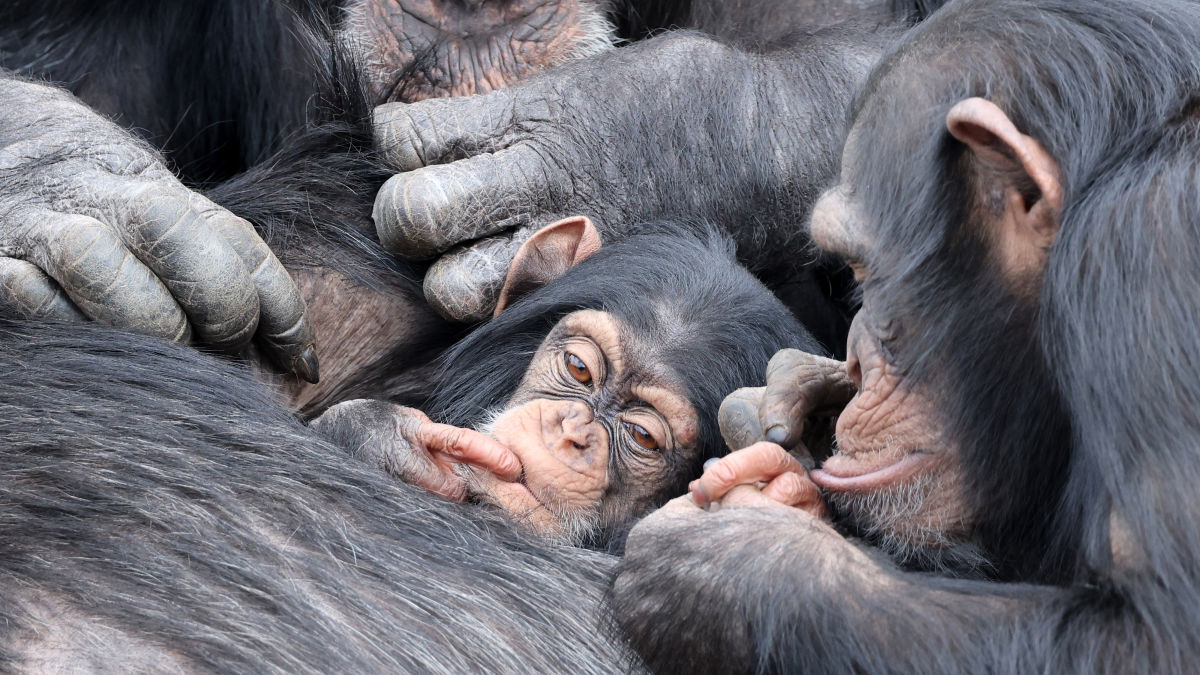
The data also shows a change in the number of babies born to the Ngogo chimpanzee troop. In the three years before range expansion, the troop gave birth to 15 babies. In the three years after range expansion, this jumped to 37 babies, more than doubling the birth rate. Furthermore, the infant mortality rate after range expansion also changed, significantly improving from 41% before range expansion to just 8%.
These results suggest that raiding rival groups to expand their territories may increase chimpanzee reproductive efficiency. 'It was clear to our field workers at the time that chimpanzees were experiencing a baby boom,' Wood told Live Science. 'We expected to see that in the data, but we didn't expect an increase in survival.'
The reason for the increased birth rate in chimpanzees is likely that their expanded territory gave them access to more food, which in turn improved their nutrition and health, leading to increased reproductive capacity in females.
The improved infant survival rate is also thought to be due in part to the 'elimination of males from rival groups.' 'This makes sense, because the leading cause of death for chimpanzee babies is being killed by their neighbors,' said
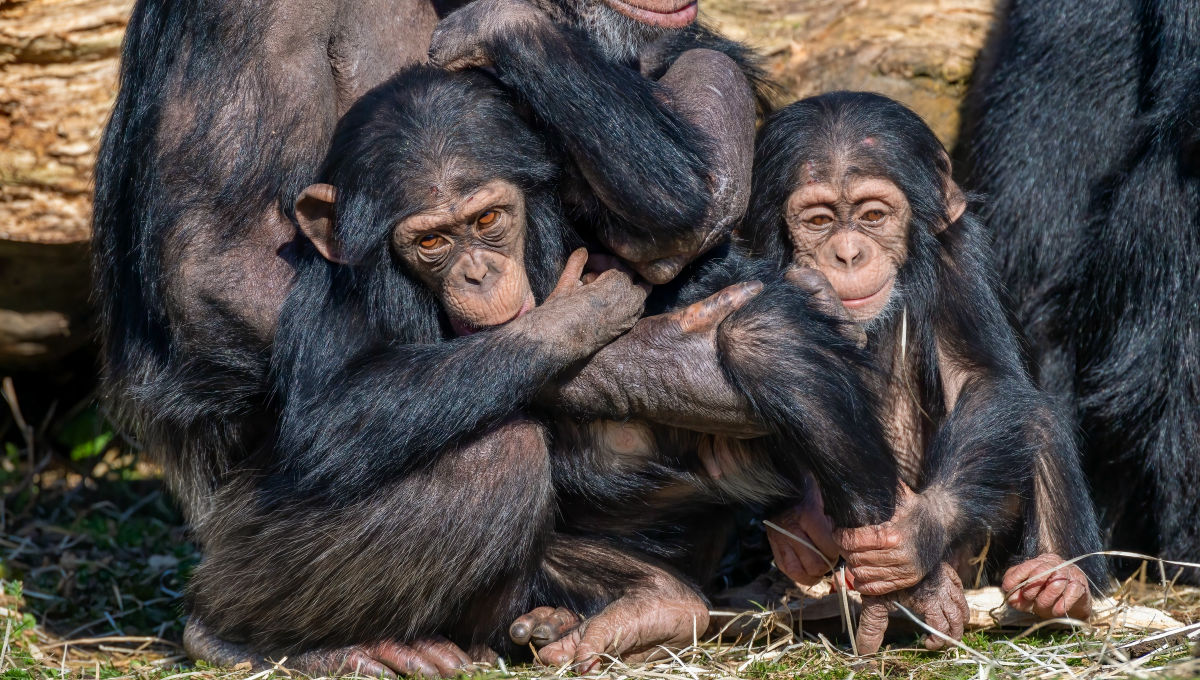
The results of this study support the idea that killing neighbors is an adaptive behavior for chimpanzees under certain circumstances. While the winning group gains significant benefits in chimpanzee wars, the losing group suffers costs such as the death of key members or a reduction in resources that can be secured. Therefore, Wood believes that the overall chimpanzee population is likely to remain unchanged, resulting in a ' zero-sum game .'
At first glance, one might think that the consequences of chimpanzee warfare apply to humans, forcing humans to fight over land and resources. However, Wilson argues that unlike chimpanzees, who have no choice but to fight, humans may benefit from interacting with strangers rather than fighting. 'In the modern world, the benefits of intergroup interaction have become so great, and the costs of war have increased so much, that starting a war in general is a pretty foolish idea,' he said.
Related Posts: